






The Deceptive Allure of the Mid-Day Snack
We’ve all been there. The afternoon slump hits, your focus wanes, and a craving for a quick, crunchy snack takes over. It feels like a harmless pick-me-up, a small treat to power through the rest of the day. Packaged snacks are designed to be irresistible—perfectly
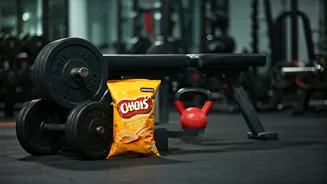
calibrated combinations of salt, sugar, and fat that provide a momentary burst of pleasure. They are convenient, accessible, and satisfy an immediate urge. This habit seems trivial, but for those who are serious about their fitness, the cumulative effect of this daily ritual can be surprisingly significant, creating a hidden roadblock to achieving your workout goals.
The Blood Sugar Rollercoaster
Most packaged snacks are loaded with refined carbohydrates and added sugars. When you eat them, your blood sugar levels spike rapidly, providing a quick surge of energy. This might feel good for a moment, but it’s followed by an inevitable crash. Your body releases a large amount of insulin to manage the sugar rush, which then causes your glucose levels to plummet, leaving you feeling more tired and sluggish than before. If you have a workout planned for the evening, this energy crash can severely impact your performance, making you feel weak and unmotivated. This cycle of spikes and crashes also puts stress on your body's metabolic systems over time.
The Problem with Empty Calories
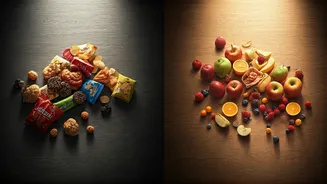
Packaged snacks are often described as providing 'empty calories'. This means they are high in calories but offer little to no nutritional value in return. They lack the essential protein, fiber, vitamins, and minerals your body needs, especially when you are physically active. For muscle repair and growth, your body requires adequate protein. For sustained energy, it needs complex carbohydrates and healthy fats. When you fill up on empty calories, you’re not only consuming excess energy that can be stored as fat, but you're also displacing other, more nutrient-dense foods that would actively contribute to your recovery and fitness gains.
Inflammation and Impaired Recovery
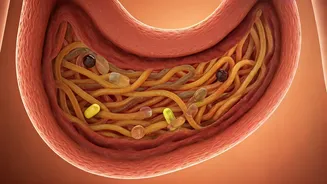
A lesser-known but critical issue with many processed snacks is their role in promoting inflammation. They are often made with refined vegetable oils, trans fats, and high amounts of sodium and sugar, all of which can trigger a low-grade inflammatory response in the body. Chronic inflammation can hinder muscle recovery, making you feel sorer for longer and increasing your risk of injury. Effective recovery is just as important as the workout itself; it’s when your muscles repair and get stronger. By consistently consuming pro-inflammatory foods, you are essentially slowing down this crucial healing process.
Smart Swaps for Sustained Energy
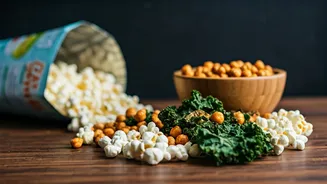
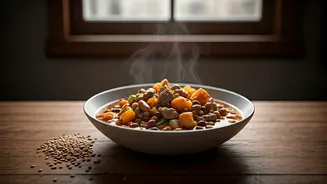
Breaking the packaged snack habit doesn’t mean you have to go hungry. The key is to replace them with whole-food alternatives that nourish your body and support your fitness goals. Think of snacks that provide a balanced mix of protein, healthy fats, and fiber. Some excellent options readily available in India include a small bowl of curd or Greek yogurt with seeds, a handful of roasted chana or makhana, a piece of fruit with a scoop of natural peanut butter, or a small salad of sprouts. These snacks provide steady, long-lasting energy without the sugar crash and deliver the nutrients your muscles crave for repair and growth.