








The Ancestral Diet Philosophy
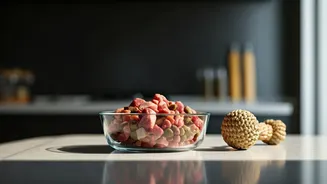
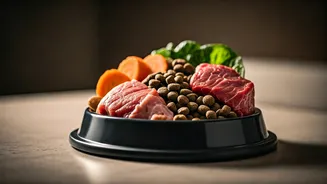
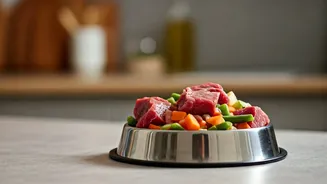
The core idea behind the raw food trend is simple: feeding dogs a diet that mimics what their ancestors, wolves, would have eaten. This concept, often called a 'species-appropriate' or 'biologically appropriate' diet, is built on the belief that dogs'
digestive systems are still optimised for raw meat, bones, and organs. Proponents argue that processed foods like kibble, which are often high in carbohydrates and cooked at high temperatures, are not what a canine's body is designed to digest. The move to raw is seen as a return to a more natural way of feeding that aligns with a dog's evolutionary history.
A Growing List of Perceived Benefits
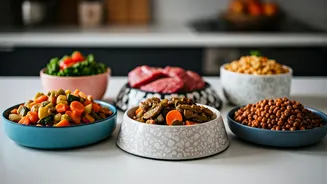
Pet parents who make the switch to raw feeding often report a wide array of improvements in their dogs' health. The most commonly cited benefits include a shinier coat, healthier skin, and a reduction in allergies. Many also notice cleaner teeth and better dental hygiene from chewing on raw, meaty bones, as well as higher energy levels and smaller, firmer stools, which suggests better nutrient absorption and digestion. For many owners, these visible and tangible results are powerful motivators, reinforcing their decision to move away from conventional pet food.
The 'Vet-Approved' Stamp of Confidence
The term 'vet-approved' provides a layer of reassurance for pet parents navigating the complex world of canine nutrition. However, it's important to understand that the veterinary community is divided on the subject. Many mainstream vets express concerns about the risks of bacterial contamination and nutritional imbalances in raw diets. In the context of commercial raw food, 'vet-approved' or 'vet-formulated' usually means that a veterinarian or canine nutritionist has helped create the recipe to ensure it is nutritionally complete and balanced, meeting established standards. Several Indian startups now work with vets to formulate their products, offering a solution that feels both natural and scientifically sound.
The Indian Context: A Search for Trust and Quality
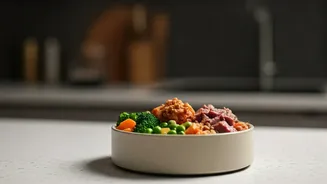
The trend towards raw food has a unique resonance in India. A growing 'pet humanization' trend means more owners view their pets as family members, sparking a demand for higher-quality, natural foods. There is also a degree of skepticism towards mass-produced, processed foods, coupled with a cultural preference for fresh meals. The Indian climate, however, presents challenges for storing raw meat safely. This has created an opportunity for local Indian brands to emerge, offering solutions like freeze-dried raw food and subscription-based fresh meals with stringent quality controls, addressing the specific hygiene and sourcing concerns of Indian pet parents.
Understanding the Risks and Responsibilities
Despite its growing popularity, feeding a raw diet comes with documented risks that every pet parent must consider. The primary concern is the potential for bacterial contamination from pathogens like Salmonella and E. coli, which can sicken both dogs and the humans handling the food. Another significant risk is nutritional imbalance. A homemade raw diet that isn't carefully formulated by an expert can lead to serious deficiencies or excesses in key nutrients. Furthermore, feeding whole bones can pose a choking or internal injury hazard if not managed correctly. Because of these risks, many veterinarians urge caution and advise pet parents to consider safer alternatives like gently cooked fresh food.