





Why a Unified Calendar Matters
Treating leaks, dampness, and drains as separate issues is a common but costly mistake for landlords. These problems are often interconnected. A leaking pipe can lead to damp patches on a wall, while a clogged drain can cause water to back up and seep
into flooring and foundations. By creating a single, proactive maintenance calendar that addresses all water-related systems at once, you can spot the root cause of a problem, not just the symptom. This approach saves money on expensive emergency repairs, preserves the value of your property, and keeps tenants happy. A well-maintained home with fewer disruptions is a key factor in tenant retention, ensuring a more consistent rental income.
The Pre-Monsoon Check (April-May)
In India, the months leading up to the monsoon are the most critical for preventative maintenance. This is the time to prepare your property for the onslaught of heavy rain. Start with the exterior. Inspect the roof for any damaged or missing tiles and check exterior walls for cracks that could allow water to seep in; sealing these gaps is crucial. Pay close attention to gutters and downspouts, clearing them of leaves, dirt, and any other debris to prevent blockages and overflows. Also, ensure outdoor drains around the property are clear and that the ground slopes away from the foundation to help direct rainwater away from the building. Applying a fresh coat of waterproof paint on exterior surfaces can provide an additional layer of protection.
Monsoon Monitoring (June-September)
During the rainy season, your focus should shift to active monitoring. Regularly walk through the property, especially after heavy downpours, to look for early signs of trouble. Inside, check for damp spots on ceilings and walls, peeling paint, or a musty smell, which can indicate hidden leaks or rising dampness. Pay attention to windows and door frames, ensuring seals are holding tight against the rain. This is also a key time to monitor drainage. Ensure that all drains—in balconies, bathrooms, and kitchens—are flowing freely. Slow drainage is a sign of a developing clog, which is easier and cheaper to fix before it becomes a complete blockage.
Post-Monsoon and Year-Round Checks
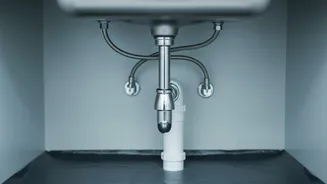
Once the monsoon recedes, conduct a thorough inspection to assess any damage and plan repairs. This is also the time to set a schedule for year-round internal maintenance. On a monthly basis, it's wise to check under all sinks, around toilets, and near appliances like washing machines for any sign of moisture or slow drips. These small leaks can go unnoticed for months, causing wood to rot and encouraging mould growth. Periodically flushing drains with a mixture of hot water and vinegar can help break down the build-up of grease, soap scum, and food particles that commonly cause blockages in Indian kitchens and bathrooms. Educating your tenants on what not to put down the drain, such as grease and excessive food waste, also plays a crucial role in prevention.