



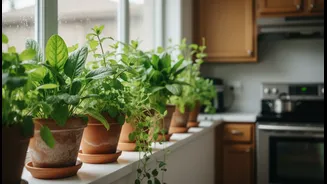


More Than Just Greenery
We often buy produce from supermarkets, far removed from the soil it grew in. This creates a subtle but significant gap in our relationship with food. A kitchen herb garden isn't just about having fresh ingredients; it's a small, daily ritual that grounds
you. The simple acts of watering a plant, watching it grow, and snipping a few leaves for your dal or chutney reconnects you to the source of your nourishment. People who start growing herbs often find it’s not just the fresher flavours they enjoy, but the feeling of being more in touch with what they eat. It’s a rewarding hobby that brings life, aroma, and a touch of nature into your home, whether you have a sprawling garden or just a sunny windowsill.
Your First Three Herbs: Easy and Essential
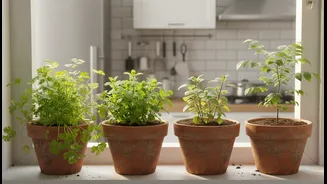
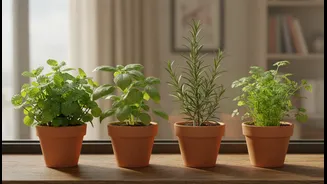
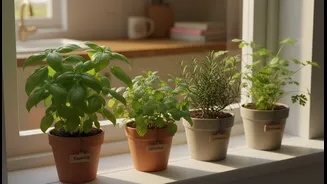
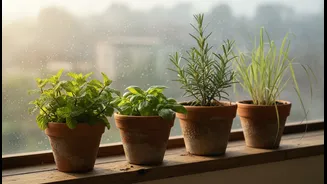
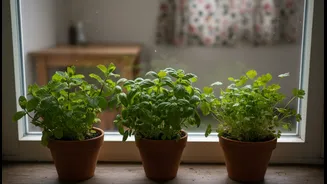
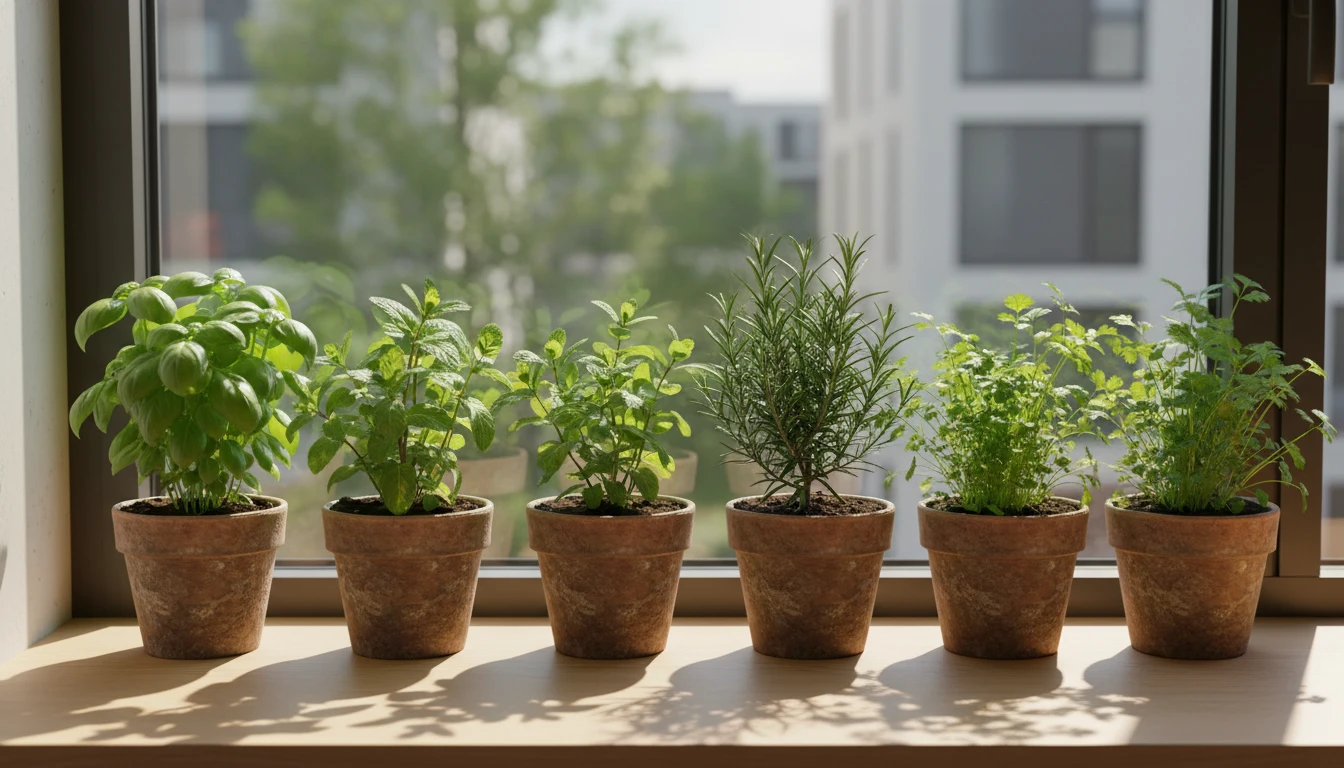
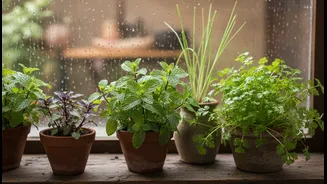
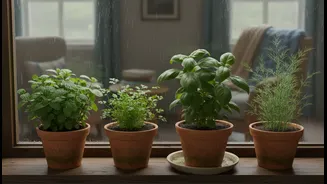
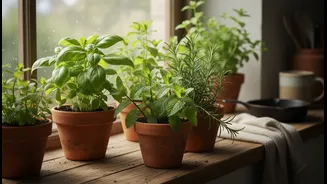
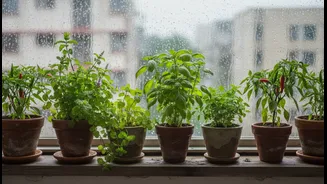
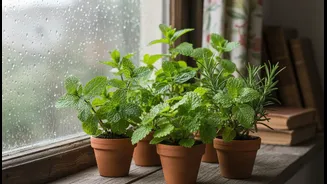
Starting is simpler than you think, especially in the Indian climate where many herbs thrive. You don’t need a massive garden; a few pots on a balcony or kitchen window will do. For beginners, it’s best to start small and easy. Three of the most reliable and useful herbs for any Indian kitchen are Tulsi (Holy Basil), Pudina (Mint), and Dhania (Coriander). Tulsi is a hardy plant that loves warm conditions and its leaves can be used for tea that may help with colds. Pudina is incredibly vigorous and perfect for chutneys, raitas, and refreshing drinks. Dhania is a staple, and having a fresh supply to garnish your dishes is a game-changer. These three are easy to maintain and give you visible results quickly, which is great for building confidence.
Creating Your Corner: Sun, Soil, and Pots
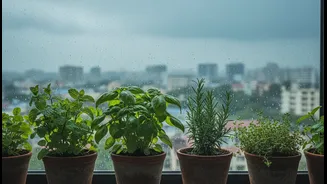
You don’t need fancy equipment to get started. All you need is a sunny spot, some pots, and the right soil. Most herbs love sunlight, so a location that gets at least four to six hours of light a day, like a south or east-facing window or balcony, is ideal. Ensure your pots have drainage holes at the bottom to prevent waterlogging, which most herbs dislike. A 6-to-8-inch pot is a good starting size for a single herb plant. Use a well-draining potting mix; you can often find ready-made mixes at a local nursery, or create your own by adding some sand or cocopeat to regular soil to improve drainage. Once you have your setup, you can either plant seeds or, for an even easier start, buy small saplings from a nursery.
From Pot to Plate: A Burst of Fresh Flavour
The real joy of an herb corner comes when you start cooking with your harvest. The flavour of freshly picked herbs is far more intense and aromatic than store-bought or dried varieties. Snip some pudina and dhania leaves to blend into a vibrant green chutney, perfect with samosas or as a sandwich spread. A few fresh Tulsi leaves can be steeped with ginger to make a soothing tea. Tearing up a few mint leaves and adding them to your regular masala chai can give it a refreshing twist. Sprinkling freshly chopped coriander over a finished dal or sabzi adds a brightness that dried herbs simply can't match. Having these flavours readily available encourages you to experiment and elevates even the simplest of home-cooked meals.