




1. Beyond the Balcony: Creating Dedicated Zones
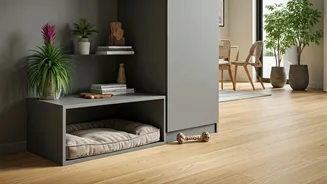
The days of a lone dog bed tucked away in a corner are fading. Today’s pet-centric design carves out specific, integrated zones for our four-legged family members. Think cosy nooks built under staircases, a cushioned alcove next to the living room sofa,
or a window-side perch designed for a sun-loving cat. This isn't about giving up human space; it's about smart, multi-functional design. Architects are increasingly incorporating these 'pet suites' into blueprints, ensuring that the animal's need for security and comfort is met without disrupting the home's aesthetic flow. This intentional approach treats a pet’s resting space as a permanent fixture, just like a study or a pooja room.
2. Dining In Style: Integrated Feeding Stations
Tripping over food and water bowls is a common pet-owner woe, but modern design has a solution. Integrated feeding stations are becoming a popular custom feature. Imagine a pull-out drawer in your kitchen island that neatly houses your pet’s bowls, which can be pushed back in when not in use. Or consider a slightly raised platform built into the cabinetry at the end of a counter, keeping food away from foot traffic and at a more ergonomic height for your pet. These solutions not only declutter the floor but also create a designated, hygienic dining area. It's a small change that makes a huge difference in maintaining a clean and organised home.
3. Designing for Play and Stimulation
A happy pet is an engaged pet. Forward-thinking design now considers an animal's need for mental and physical stimulation within the home. For cat owners, this might mean installing stylish, wall-mounted 'catwalks' or shelves that allow their feline friends to explore vertically. These can be designed to look like floating shelves or part of a modern art installation. For dogs, especially in smaller urban apartments, it could mean creating a seamless indoor-outdoor flow to a secure balcony or terrace. Using durable materials on a specific 'play wall' where scratching is permitted can also save your sofa from destruction while giving your pet a healthy outlet for their instincts.
4. The Clean-Up Crew: Mudrooms and Pet Showers
Every dog owner knows the struggle of muddy paws after a walk, especially during monsoon season. Enter the pet-friendly mudroom. Increasingly common in larger homes and even cleverly adapted for apartment entryways, these spaces are designed for easy clean-ups. Features include a tiled floor with a drain, a handheld shower nozzle for rinsing paws (and legs!), and built-in storage for towels, leashes, and waste bags. This 'airlock' between the outdoors and your clean home is a game-changer, containing the mess before it tracks through the house. For those with smaller spaces, a dedicated 'washing station' in a utility bathroom can serve the same purpose.
5. Material World: Choosing Pet-Proof Finishes
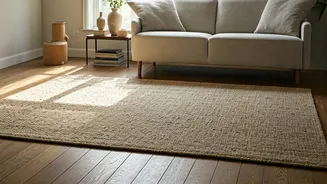
Living with pets means dealing with shedding, scratches, and the occasional accident. The foundation of a pet-friendly home lies in choosing the right materials. On the floor, options like luxury vinyl, laminate, or glazed ceramic tiles are durable, scratch-resistant, and easy to clean. When it comes to furniture, designers are leaning towards performance fabrics like Crypton or Sunbrella, which are resistant to stains, moisture, and odours. Even paint choices matter, with semi-gloss or satin finishes being easier to wipe clean than matte ones. The key is to select materials that are tough enough to withstand daily pet life while still looking beautiful and feeling comfortable for the whole family.