






The Cascade of Delays
A heavy downpour does more than just get you wet; it sets off a domino effect that cripples travel networks. For aviation, persistent rain leads to poor visibility, forcing aircraft to slow down or perform go-arounds, delaying landings. On the ground,
waterlogged runways can shut down operations entirely, leading to diversions and outright cancellations. The disruption at one major hub like Mumbai or Delhi creates a ripple effect, delaying departures and arrivals across the country as aircraft and crews are knocked off schedule. This chain reaction means that even if your departure city is sunny, your connecting flight halfway across the country could be severely delayed by weather it experienced hours earlier.
Rethinking Your Flight Connection Time
In a normal season, a 90-minute layover for a domestic connection might feel comfortable. During a wet monsoon, it's a significant gamble. Aviation experts and seasoned travellers now recommend a buffer of at least three to four hours for domestic connections. This accounts not only for potential delays on your incoming flight but also for congestion at the connecting airport. Missed connections are particularly problematic during the monsoon because subsequent flights are often full, meaning rebooking could strand you for a day or more. Booking flights earlier in the day can be a strategic move, as delays tend to pile up as the day progresses. A morning flight is more likely to depart on time, as the aircraft is typically already at the airport overnight.
The Challenge of Rail Travel
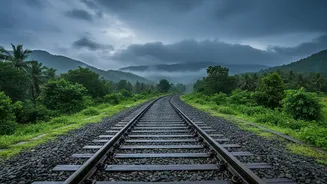
Train travel, often seen as a reliable alternative, faces its own set of monsoon-related challenges. Heavy rainfall has led to widespread disruptions across multiple railway zones, with daily cancellations and diversions. The primary issues are flooded tracks and landslides, particularly along crucial routes like the Konkan Railway and in hilly regions like Himachal Pradesh. Recent reports from August 2026 show services being suspended or rerouted due to safety concerns. For instance, several express and passenger services in the Northeast Frontier Railway have been cancelled or diverted due to flooding. If your journey involves changing trains, it's crucial to factor in these potential disruptions. What was once a simple one-hour connection might now require several hours of buffer time, or even planning for an overnight stay.
The Underestimated 'Last Mile' Problem
One of the most overlooked aspects of monsoon travel is simply getting to and from the airport or railway station. Heavy rains frequently cause severe waterlogging in major cities, bringing road traffic to a standstill. Underpasses and key arterial roads leading to airports in cities like Delhi and Mumbai can become inundated, turning a 30-minute drive into a multi-hour ordeal. There have been numerous instances where travellers have been stranded in traffic, missing their flights despite leaving home with what they thought was ample time. To be safe, check live traffic updates before you leave and consider doubling your usual travel time to the airport or station during a heavy downpour.
Practical Steps for Smoother Travel
While you can't control the weather, you can control your preparedness. First, stay informed by checking the weather forecast and your flight or train status frequently using official apps and websites. Whenever possible, opt for direct, non-stop flights to eliminate the risk of a missed connection. Pack essentials like a change of clothes, medications, and chargers in your carry-on bag in case of long delays or lost baggage. Finally, consider travel insurance that covers weather-related disruptions and have a flexible mindset. Sometimes, the safest and most stress-free decision is to postpone a non-essential trip when severe weather warnings are in effect.