






Understanding Monsoon Fatigue
If you find yourself feeling unusually tired, sluggish, and sleepy during the rainy season, you're not imagining it. This phenomenon, often called monsoon fatigue or lethargy, is a common experience. The primary cause is the lack of sunlight. Gloomy,
overcast days can disrupt your body's internal clock, or circadian rhythm. [18, 19] Your body produces less serotonin, the hormone that helps regulate mood and energy, and more melatonin, the hormone that signals your body it's time to sleep. [23, 27] This hormonal shift can leave you feeling drowsy even during the day. [20] Adding to this is the high humidity, which makes your body work harder to stay cool, and changes in barometric pressure, which can contribute to that run-down feeling. [15, 24]
Vitamin C to the Rescue
One of the most effective nutrients for battling fatigue is Vitamin C. This essential vitamin plays a crucial role in your body's energy production systems. [3, 5] It is a required component in the synthesis of carnitine, a molecule that helps transport fatty acids into your cells' mitochondria to be converted into energy. [6, 8, 12] A sufficient intake of Vitamin C can help combat chronic fatigue and maintain optimal energy levels. [3] Furthermore, Vitamin C is a powerful antioxidant that helps protect cells from oxidative stress, a condition that can contribute to feelings of exhaustion. [5] It also boosts the immune system by stimulating the production of white blood cells, providing a much-needed defence against common monsoon illnesses. [2, 6]
Litchi: The Monsoon Superfruit
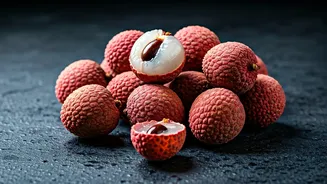
This is where the delightful litchi comes in. This seasonal tropical fruit isn't just a sweet treat; it's a nutritional powerhouse, particularly when it comes to Vitamin C. [9, 14] Litchis are one of the best natural sources of this fatigue-fighting vitamin. A single 100-gram serving of fresh litchis—about 10 to 12 fruits—can provide around 72 mg of Vitamin C, which is nearly 80% of the recommended daily intake for an adult. [21, 22] This makes litchis an incredibly efficient and delicious way to get the nutrients your body needs to feel more energetic and vibrant during the otherwise dreary monsoon days. Their arrival in the market coincides perfectly with the time of year when our energy levels tend to dip, making them a true seasonal ally.
Beyond Beating the Blues
The benefits of litchis extend far beyond their Vitamin C content. They are composed of over 80% water, making them an excellent fruit for staying hydrated, which is another key factor in maintaining energy levels. [2] The fruit is also rich in other antioxidants like polyphenols, which help protect the body from disease and cellular damage. [4, 10] For those concerned with digestive health, litchis offer a good amount of dietary fibre, which helps in maintaining smooth bowel function. [7, 14] Moreover, they contain essential minerals like potassium and copper, which are vital for regulating blood pressure and supporting heart health. [7, 11] The antioxidant properties also contribute to healthier, more radiant skin by aiding in collagen production and protecting against environmental damage. [2]
A Note on Moderation
While litchis are incredibly beneficial, it is crucial to enjoy them in moderation. Overconsumption can lead to some adverse effects. [1] The fruit contains natural sugars, and eating too many can contribute to weight gain. [13] More importantly, litchis contain a naturally occurring toxin that can cause a significant drop in blood sugar levels, a condition known as hypoglycemia. [1, 14] This risk is highest when the fruit is consumed in large quantities on an empty stomach, especially in malnourished individuals. [16] To enjoy litchis safely, it's best to eat them after a meal or as a snack, rather than first thing in the morning. A serving of 10-12 litchis a day is a healthy amount for most adults to reap the benefits without the risks.