





The Value Check Begins at the Store
Getting the most value from your food starts long before you get home. Smart shopping is your first line of defence against waste. The single most effective tool is a shopping list. Before you leave the house, do a quick inventory of your pantry and fridge.
Plan a few meals for the week and list only the ingredients you need. This simple act curbs impulse buys, which are often the first items to go unused. Be wary of 'buy one, get one free' deals on perishable items unless you have a concrete plan to use them. While bulk bins can be economical for grains and spices, avoid buying large quantities of fresh produce you can't finish quickly. And don't shy away from 'ugly' fruits and vegetables. They are just as nutritious and often cheaper, but are frequently overlooked.
Your Kitchen: A Hub for Preservation
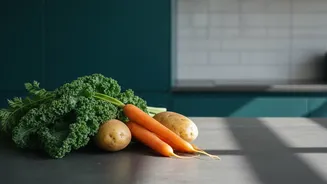
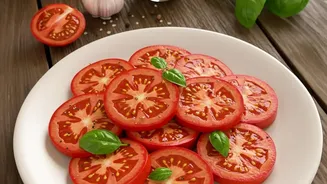
Once your groceries are home, proper storage is key to extending their life. Not everything belongs in the same place. Some fruits, like apples and bananas, produce ethylene gas, which can cause other nearby produce to ripen and spoil faster. Store them separately. Keep potatoes, onions, and garlic in a cool, dark, and dry place, but don't store potatoes and onions together, as gases from the onions can cause potatoes to sprout. Tomatoes lose their flavour in the cold and should be kept on the counter. Delicate herbs like coriander and parsley can be treated like flowers: place them upright in a glass of water in the fridge. Adopt a 'First-In, First-Out' (FIFO) system in your refrigerator. Move older items to the front so you remember to use them before they expire. This simple organisational trick ensures that food gets used in the order it was purchased, significantly cutting down on forgotten leftovers.
Mindful Prep and Using the Whole Ingredient
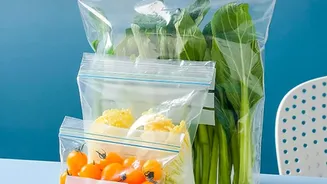
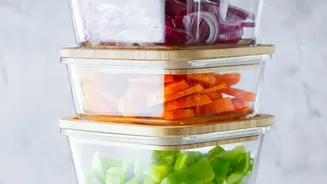
How you prepare your food offers another opportunity to maximise value. Many parts of vegetables that are commonly discarded are perfectly edible and nutritious. For example, broccoli stems can be peeled and sliced for stir-fries, and cauliflower leaves can be roasted until crisp. The leafy green tops of carrots can be blended into a pesto. When you have a bit of time after shopping, wash and prep some of your produce. Chopping carrots, celery, and capsicums and storing them in airtight containers makes them easy to grab for snacks or to toss into a quick weeknight meal. This not only saves time later but also makes you more likely to use them before they go bad. This 'prep-ahead' mindset transforms ingredients from a future task into a ready-to-use resource.
Giving Leftovers a Second Delicious Act
In India, household food waste amounts to an estimated 50-55 kg per person annually. A major contributor is often leftovers and food scraps. Rethinking how we view these items can unlock immense value. Instead of just reheating yesterday's meal, transform it. Leftover rice can become fried rice or crispy rice cakes. Extra dal can be thinned out to make a soup or used as a base for paratha dough. Stale bread is perfect for making croutons, breadcrumbs, or a bread pudding. Even vegetable peels and scraps can be collected in a bag in the freezer. Once you have enough, simmer them with water to create a flavourful vegetable stock that costs you nothing. By getting creative, you turn potential waste into a bonus meal or a foundational ingredient for another dish.