




A Taste of Memory
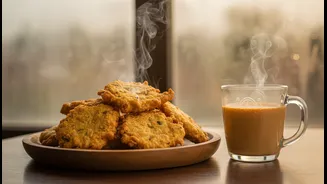
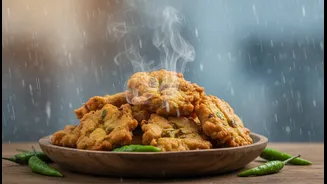
More than anything, the appeal of monsoon food is rooted in nostalgia. These are not just snacks; they are edible memories. For many, the smell of bhajiyas frying is inseparable from childhood afternoons spent indoors, listening to the rain with family.
This phenomenon is called associative learning, where the brain links two experiences that repeatedly happen together, like the sound of rain and the comfort of a warm meal. Over years, this connection becomes so strong that the trigger—a cool breeze or the smell of wet earth—can evoke the craving all by itself. Psychologists find that these nostalgic foods serve as a reminder of times when we felt safe and cared for, activating reward centers in the brain and providing a sense of security during gloomy weather. A simple bowl of khichdi or a plate of samosas becomes a time machine, transporting us to moments that felt simpler and safer.
Your Brain on Bhajiyas
There's also a compelling biological reason behind these cravings. The lack of sunlight on overcast monsoon days can cause a dip in serotonin, the body's 'feel-good' hormone. To counteract this, the brain craves carbohydrates, which help produce more serotonin and provide a temporary mood lift. That plate of pakoras or bowl of Maggi offers a quick carb fix. Furthermore, the drop in temperature makes the body work harder to stay warm, a process called thermogenesis. This increases our desire for hot, calorie-dense foods that raise our core body temperature. The combination of fat, salt, and crunch in fried foods also delivers a dopamine hit, adding another layer of pleasure and making these snacks feel extra satisfying.
A Symphony for the Senses
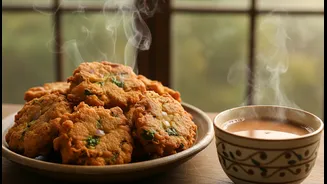
The monsoon is a multi-sensory experience, and so are its foods. The sound of rain is often described as soothing, creating a perfect backdrop for a comforting meal. The earthy smell of the first rains, known as petrichor, can trigger feelings of calm and nostalgia, shifting the brain into a relaxed state where associated food memories surface. In this context, the food provides a wonderful contrast. The crunch of a crispy samosa or a freshly roasted bhutta stands out against the damp, soft atmosphere. The warmth of a cup of adrak chai feels deeply comforting against the cooler, wet weather. This sensory interplay—the sound, the smell, the taste, and the texture—makes the experience of eating these foods far more profound than just satisfying hunger. It becomes a ritual that engages all the senses.
Ancient Wisdom, Modern Cravings
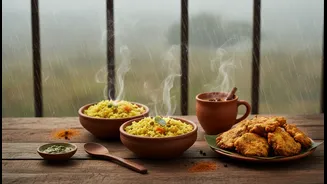
Traditional Indian wisdom, particularly Ayurveda, also shapes our monsoon food habits. According to Ayurveda, the rainy season, or 'Varsha Ritu', is a time when the digestive fire (Agni) is weaker. This makes our bodies more susceptible to indigestion and infections. As a result, Ayurvedic principles recommend eating warm, light, and freshly cooked meals. Foods like khichdi, moong dal soup, and steamed dishes are considered ideal. While deep-fried snacks might seem to contradict this, the advice also emphasizes warm foods and the use of digestive spices like ginger, turmeric, and black pepper, which are staples in many monsoon recipes. This traditional knowledge, passed down through generations, has ingrained a preference for certain types of food during this season, reinforcing the idea that we should eat warm and spiced meals to stay balanced when it rains.