
The Double-Edged Sword of Processing
The latest joint report from UN agencies like the WHO and FAO sounds an alarm on the modern food environment. While global hunger has seen a slight decline, a new challenge is taking centre stage: the decreasing nutritional quality of our staple foods.
The report points to two key culprits: the rise of ultra-processed products and the refining of traditional whole foods. For many Indian households, this means the very foundation of our daily meals—rice, roti, and dals—may not be as nourishing as we believe. The processing that makes food convenient, long-lasting, and soft often strips away the vital micronutrients and fibre our bodies need, contributing to what is known as hidden hunger.
Rethinking Your Daily Rice
Rice is a non-negotiable staple for a majority of Indians. However, the UN report draws attention to the widespread preference for highly polished white rice. The polishing process, which removes the grain's outer bran and germ to create that pristine white look, also strips away a huge portion of its nutrients. Specifically, over 80% of B-complex vitamins, crucial for energy metabolism, are lost. Also removed are essential dietary fibre, minerals like magnesium and zinc, and healthy fats. While unpolished or brown rice takes slightly longer to cook and has a chewier texture, it retains these nutrients. Making a switch, even partially, can significantly boost your intake of fibre, which aids digestion, helps control blood sugar, and keeps you feeling full for longer.
The Atta vs. Maida Debate
Similarly, the choice between whole wheat flour (atta) and refined flour (maida) has a major impact on daily nutrition. Maida is made from only the starchy endosperm of the wheat grain, with the nutrient-rich bran and germ completely removed. Atta, or whole wheat flour, is made by grinding the entire kernel, preserving its natural fibre, protein, and vitamins. Regular consumption of refined flour is linked to faster spikes in blood sugar due to its high glycemic index and lower fibre content. For daily staples like roti and paratha, using chakki-fresh whole wheat atta is the clear winner for long-term health, as it supports digestion and provides sustained energy. The report suggests that while maida has a place in occasional treats, its dominance in snacks and daily meals is a growing health concern.
Ultra-Processed Foods and Hidden Deficiencies
Beyond just rice and flour, the report flags the alarming rise of ultra-processed foods (UPFs) in Indian diets. These are industrial formulations like instant noodles, packaged snacks, sugary drinks, and ready-to-eat meals. A recent study noted that UPFs can contribute significantly to daily energy intake but are often high in unhealthy fats, sugar, and sodium while being low in essential micronutrients. This trend is a major driver of the 'double burden' of malnutrition, where obesity and diet-related diseases like diabetes rise even as micronutrient deficiencies persist. In India, deficiencies in iron, vitamin B12, vitamin D, and zinc are widespread, a problem exacerbated by replacing nutrient-dense whole foods with processed alternatives.
Small Changes, Big Impact
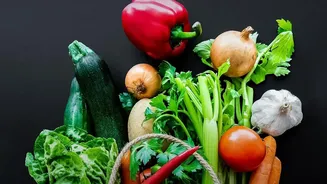
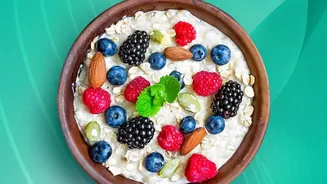
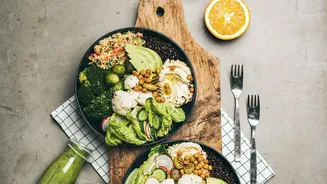
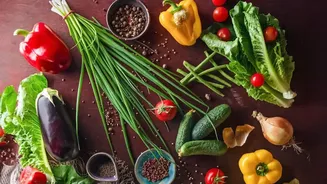
The UN report isn't about creating food anxiety; it's about empowerment through awareness. You don't need to overhaul your entire diet overnight. Start with small, sustainable swaps. Try mixing a small portion of brown rice with your white rice, eventually increasing the ratio. Opt for whole wheat bread and pasta instead of white. Make a conscious effort to read labels and choose products with fewer additives and more whole ingredients. Prioritise cooking with fresh, local, and seasonal produce. Adding more vegetables, fruits, and pulses to your meals can help fill the nutritional gaps left by refined staples. The goal is to move towards a diet that is less processed and more whole, one meal at a time.