





The Ancient Wisdom of the Wooden Ghani
Long before industrial refineries, oil was extracted using a 'ghani', also known as 'chekku' or 'kolhu'. A wooden ghani is a traditional press where a large wooden pestle rotates slowly within a mortar, crushing seeds to release their oil. Historically
powered by bullocks and now often by a slow-turning motor, the key element is the material: wood. Unlike metal, wood is a poor conductor of heat. This simple but crucial fact is the foundation of why this heritage method is making a comeback among health-conscious consumers.
The Science of 'Cold-Pressing'
The term 'cold-pressed' means the oil is extracted without high heat or chemical solvents. The wooden ghani method is a true form of cold-pressing because the slow rotation speed (often under 15 RPM) and the insulating properties of the wood ensure that very little heat is generated through friction. Temperatures are kept low, typically below 40-50°C. This gentle process stands in stark contrast to modern industrial methods, which often use high heat and chemical solvents like hexane to extract every last drop of oil, but at a significant nutritional cost.
Why Heat Is the Enemy of Nutrients
High heat is detrimental to the quality of edible oils. When oil is heated to high temperatures, as it is during refining (which can exceed 200°C), its chemical structure begins to break down. This process, known as thermo-oxidation, can destroy sensitive vitamins, degrade beneficial fatty acids, and even form harmful compounds. The very nutrients that make sesame oil a healthy choice are vulnerable to heat. By avoiding high temperatures, the cold-pressing method helps protect the oil's natural goodness from being cooked away before it even reaches your kitchen.
Preserving Antioxidants and Trace Minerals
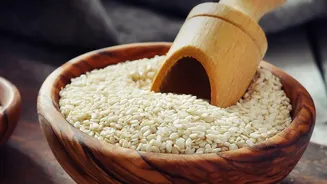
Because wooden-ghani pressing is a low-heat process, it helps preserve the valuable micronutrients found naturally in sesame seeds. Sesame oil is a rich source of powerful antioxidants, specifically the lignans sesamin and sesamol, which have anti-inflammatory properties. It also contains Vitamin E, another potent antioxidant, and essential trace minerals like magnesium, copper, and zinc that support bone and heart health. The gentle crushing of the ghani ensures these delicate compounds are transferred from the seed to the oil, remaining intact and bioactive. In contrast, refining processes can strip them away.
The Difference You Can Taste and Smell
The benefits of wooden-ghani pressing are not just nutritional. The process also preserves the oil's authentic flavour and rich, nutty aroma. Refined oils are often bleached and deodorized to create a neutral product with a long shelf life, removing the very characteristics that define the oil's identity. A bottle of ghani-pressed sesame oil is typically more viscous, darker in colour, and carries the distinct fragrance of sesame seeds, signalling that it is unrefined and closer to its natural state.