


An Engineering Feat Years in the Making
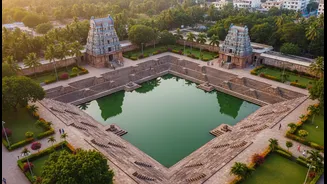
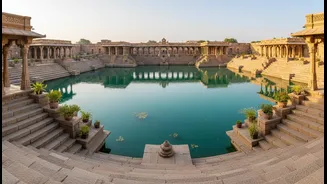
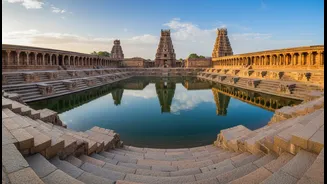
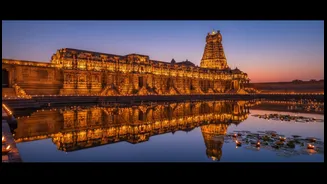
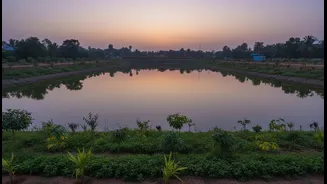
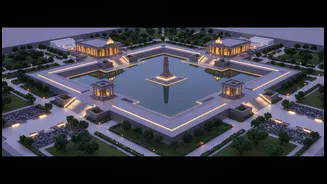
For decades, the Vandiyur Mariamman Teppakulam, a massive 16-acre temple tank built in the 17th century, was mostly a dry, dusty playground. Its connection to the Vaigai river had been lost over time as the riverbed’s level dropped. The grand float festival,
or Teppotsavam, for which the tank is famous, often relied on pumping water in temporarily. The recent transformation wasn't magic; it was the result of a concerted, multi-year effort by government bodies. A crucial engineering solution involved constructing a check dam and installing new, wide-diameter pipes to create a dedicated channel, ensuring water from the Vaigai could once again flow into the historic tank by gravity. After years of planning and clearing garbage-choked channels, water finally returned, filling the enormous tank and reviving a landmark that had been dormant for nearly 40 years.
The Tempting 'Tourism' Narrative
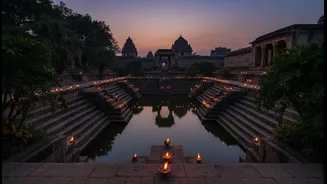
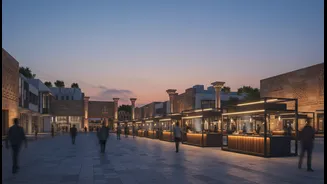
When a heritage site is beautifully restored, the first story we often tell is about tourism. It’s an easy and appealing angle. Officials and news reports often highlight the potential for increased footfall, photo opportunities, and a boost to the local economy. Recent proposals to develop a food street and add decorative lighting to turn the Teppakulam into a major tourist hub fit perfectly into this culture-led urban tourism narrative. This framework presents cultural heritage as an asset to be monetized, a product to attract visitors and generate revenue. While not entirely wrong—a beautiful site will certainly attract tourists—this narrative is dangerously incomplete. It risks reducing a complex and meaningful achievement into a simple transaction.
What the Tourism Story Leaves Out
Focusing only on tourism overlooks the most profound impacts of the Teppakulam’s revival. First and foremost, this is a story about water and ecology. Filling the tank has had a significant, positive effect on the local groundwater table, with residents reporting that water is now available at much shallower depths. In a water-stressed city like Madurai, this is an ecological victory that serves thousands of local citizens directly. Secondly, it is a story of civic pride and community reclamation. For the people of Madurai, the Teppakulam is not just a backdrop for selfies; it is a cherished public space, a place for evening strolls, and a spiritual landmark. Its restoration has given residents a piece of their city back, transforming it into a vibrant hub for the local community, much like a marina or a beach.
A Better Story: Civic and Ecological Revival
So, how should we tell this story? The Madurai Teppakulam revamp is a powerful example of civic revival, not just cultural tourism. It’s about a city taking deliberate, thoughtful steps to heal its environment and reclaim its public spaces for its citizens. The heroes of this story aren't just the tourists who will come, but the engineers who solved a decades-old problem, the officials who pushed the project forward, and the local residents who now benefit from a recharged ecosystem and a revived community space. By framing it this way, we celebrate a more sustainable and equitable model of urban development—one where heritage preservation serves the community first. The goal isn't just to build attractions, but to build a more livable, resilient, and proud city. This is the lesson that other cities across India should learn from Madurai.