


The Unit Price Illusion
We’ve all been trained to look for the unit price at the grocery store, assuming the lowest number offers the best value. This works perfectly if you use every last drop and crumb. However, this calculation often ignores a crucial factor: food waste.
Studies have shown that people who buy in bulk often end up throwing more food away. The real cost isn't just what you pay at the register; it's the value of what you actually consume. If you buy a two-litre bottle of salad dressing that goes bad after you've only used a quarter of it, you've not only wasted the product but also paid a premium for the portion you did use. The true measure of value is the 'usable unit price'—the cost divided by the amount you consume before it spoils.
The Clock Starts When You Break the Seal
Every food package has a date on it—usually a 'Best By' or 'Use By' date. This date refers to the quality and safety of the product while it remains sealed. Once you break that seal, a new, much shorter countdown begins. Oxygen, light, and temperature become enemies, starting a process of degradation that affects taste, texture, nutritional value, and safety. For example, an unopened bottle of vegetable oil might be good for a year or more, but once opened, it's best to use it within about six months before it goes rancid. This 'Period After Opening' (PAO) is what turns many bulk bargains into a race against time that consumers often lose.
Pantry Pitfalls: Oils, Nuts, and Flours
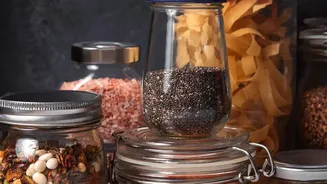
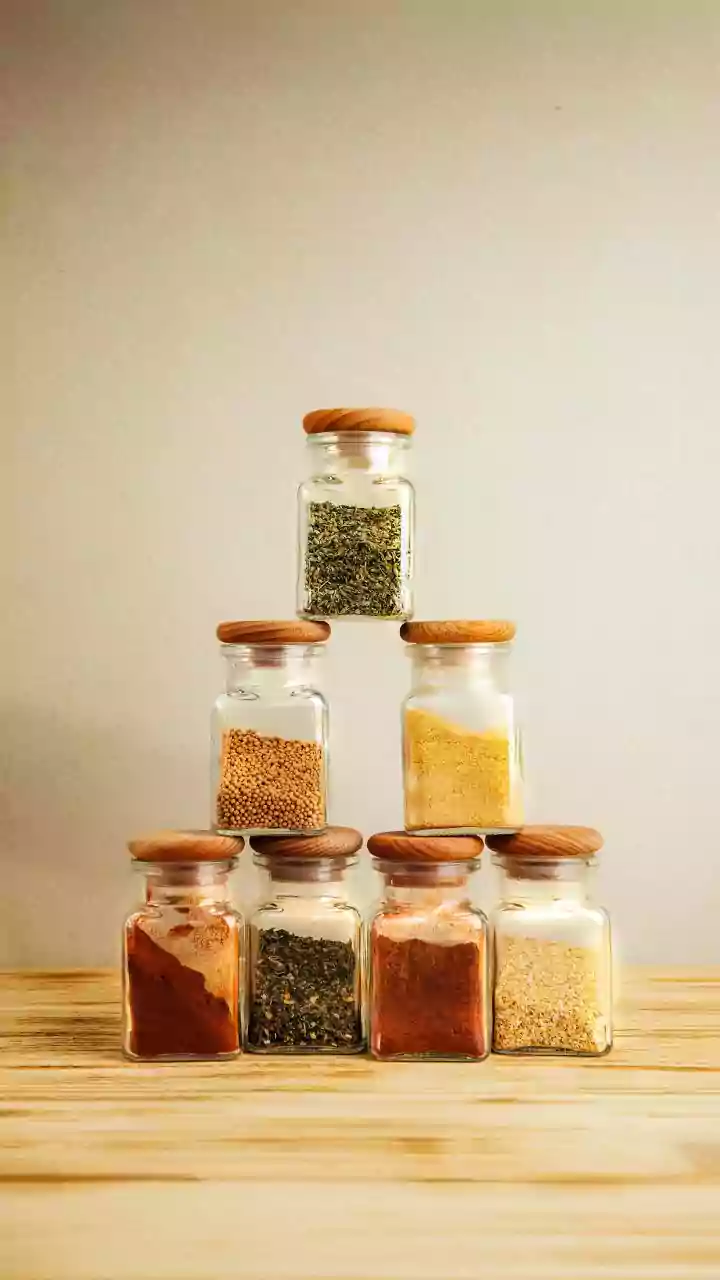
The pantry seems like a safe haven for shelf-stable goods, but many items are more delicate than they appear. Cooking oils, especially delicate ones like walnut or extra virgin olive oil, can go rancid, developing an unpleasant smell and taste. While a sealed bottle may last a year, an open one should often be used within six months, and sometimes as few as three. Nuts and seeds, rich in oils, are also susceptible and can go stale quickly. The same goes for whole-wheat flour, which contains the grain's natural oils and is best stored in the fridge or freezer after opening to prolong its life of just a few months. Even spices lose their potency; ground spices are best used within a year, while whole spices last longer.
Condiments and the Crowded Fridge Door
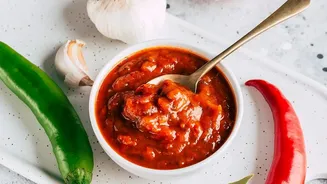
The refrigerator door is a graveyard for half-used condiment bottles. That giant bottle of mayonnaise is only good for about two to three months after opening. Ketchup lasts longer, at around six months, while mustard can last for a year. But others have a surprisingly short life. That jar of salsa you opened for a party? It should ideally be finished within a month if it was shelf-stable, or just five to seven days if it was from the refrigerated section. Buying a huge container of a sauce or dressing you use infrequently means you are likely to toss it long before it's empty, making the smaller, pricier bottle the more economical choice in the long run.
A Smarter Shopping Strategy
Becoming a savvier shopper isn't about abandoning bulk buys altogether; it's about being strategic. Before grabbing the largest size, do a quick mental check: How often do we actually use this? For items you go through quickly, like milk or a favourite cereal, the family size makes sense. For items used sparingly, like a specialty hot sauce or sesame oil, the smaller bottle is the wiser move. Get to know your family's consumption habits. Before you shop, do a quick audit of your fridge and pantry. Notice what's been sitting there for months. This practice not only informs your next shopping trip but also helps you gradually reduce the amount of food and money you're throwing away.