







Tyres: Your First Line of Defence
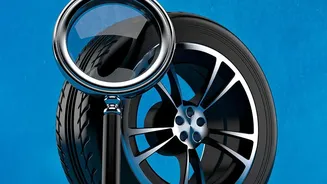
Your tyres are the single most critical safety component during the monsoon, as they are your car's only contact with the slippery road. Worn tyres significantly increase the risk of skidding or hydroplaning, a dangerous situation where a layer of water
builds up between the tyres and the road surface, causing a loss of traction. Before you start, check the tread depth; it should be well above the minimum legal limit to effectively channel water away. Also, ensure your tyres are inflated to the manufacturer's recommended pressure. Incorrect pressure can affect handling, braking, and fuel efficiency. Don't forget to check the spare tyre as well.
Brakes: Stopping Power When It Counts
Wet roads mean longer stopping distances. Brakes that feel perfectly fine in dry conditions might show their weakness when you need them most in the rain. Before your trip, have your brake pads, discs, and brake fluid checked by a professional. Old brake fluid can absorb moisture, reducing its effectiveness. If you hear any squealing sounds or feel a judder or vibration when you apply the brakes, get them inspected immediately. A reliable braking system is a non-negotiable for safe monsoon driving.
Wipers and Visibility: See and Be Seen
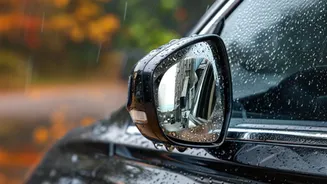
Heavy downpours can reduce visibility to almost zero in seconds. Your windshield wipers are your best friend in these conditions. The rubber on wiper blades can crack and harden during the hot summer, leaving them ineffective. If your wipers leave streaks or skip across the glass, replace them. It’s a small, inexpensive fix that makes a huge difference. Also, top up your windshield washer fluid, as you'll need it to clear mud and grime splashed up by other vehicles. Applying a rain-repellent coating to the windshield can also dramatically improve visibility.
Lights and Electricals: A Bright Idea
In the low-light conditions of a heavy downpour, being seen by other drivers is as important as you seeing the road. Walk around your vehicle and ensure all lights are working: headlights, taillights, brake lights, and indicators. Clean the lenses to ensure maximum brightness. The monsoon's humidity can also be tough on your car’s battery and electrical systems. Exposed or damaged wiring can lead to short circuits when it comes in contact with water. Ensure your battery terminals are clean and the battery itself is in good health to handle the increased use of lights, wipers, and the defogger.
The Air Conditioner: More Than Just Cool Air
Your car’s air conditioner does more than just cool the cabin; it’s a crucial tool for demisting your windshield. The temperature difference between the inside and outside of the car during rain causes the windows to fog up, severely impairing vision. Running the AC and directing the vents towards the windshield quickly clears this condensation. Before your trip, check that your AC is cooling effectively and that the defogger function is working properly. A clogged cabin air filter can also contribute to a musty smell and poor airflow, so consider replacing it before the season starts.
Pack a Monsoon Emergency Kit
Even with the best preparation, unexpected situations can arise. A well-stocked emergency kit can be a lifesaver. Your kit should include a powerful, waterproof flashlight, a first-aid kit with basic medications, a tow rope, and jumper cables. A tubeless tyre puncture repair kit and a portable tyre inflator are invaluable for handling common punctures on the highway. Also pack some dry snacks, drinking water, a change of clothes, and a sturdy umbrella. Having these items on hand provides peace of mind and ensures you are prepared for most roadside troubles.