



The New Snacking Mindset
The way Indians think about snacking is changing. What was once a decision driven purely by craving and taste is now heavily influenced by health and wellness. A growing number of consumers, particularly in urban areas, are no longer just looking for
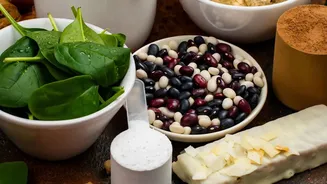
a treat; they're looking for functional foods that offer benefits like sustained energy, muscle support, and overall well-being. This shift is driven by a rising awareness of lifestyle-related health issues and a desire for more mindful eating habits. Consumers are now actively reading labels and seeking out products with clean ingredients, no preservatives, and clear nutritional information, creating a demand for 'guilt-free' indulgence.
What's Driving the Protein Push?
Several key factors are fuelling this move towards protein. Increased health consciousness, especially post-pandemic, has made consumers more aware of nutritional gaps in their diets. This is coupled with rising disposable incomes, urbanization, and busy lifestyles that demand convenient, on-the-go nutrition. The fitness and wellness boom, amplified by social media, has also played a huge role, moving protein from a niche product for gym-goers to a mainstream dietary staple. As a result, the Indian healthy snacks market is projected to grow significantly, with some estimates suggesting a CAGR of around 5-7% to reach over USD 6 billion by 2030.
Meet the New Challengers
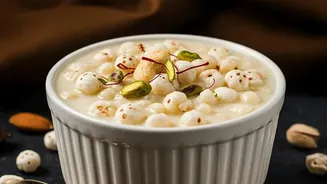
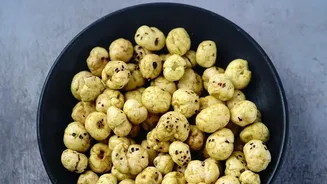
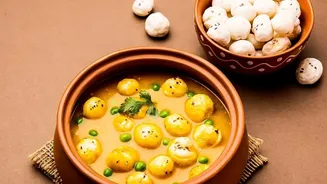
The new kids on the block are diverse and innovative. They range from modern formats like protein bars, protein chips, and ready-to-drink shakes to the reinvention of traditional foods. Roasted makhana (fox nuts), millet-based snacks, baked chickpea crisps, and flavoured nuts and seeds are being rediscovered for their natural protein content and repackaged as premium, healthy options. Direct-to-consumer (D2C) brands like The Whole Truth, Yoga Bar, and SuperYou are rapidly gaining popularity by offering clean-label products and tapping into the quick commerce ecosystem for instant delivery. Even traditional staples like paneer and eggs are seeing a surge in popularity as part of this broader protein focus.
How Are Traditional Brands Responding?
The legacy giants of the Indian snack world are not standing still. Many are adapting to the changing consumer preferences in two ways: innovation and acquisition. Large FMCG companies are launching their own lines of healthier snacks, such as baked versions of popular products, multigrain options, and items fortified with protein and fibre. Brands are reformulating recipes to use healthier oils or reduce sugar and salt. Some are also acquiring smaller, health-focused D2C startups to quickly gain a foothold in this fast-growing segment. This creates a market where traditional and modern brands compete, but also learn from each other, ultimately giving consumers more choice.
The Snack Plate of 2026
Looking ahead, the Indian snack market of 2026 won't be about replacement, but expansion. Our beloved traditional snacks aren't disappearing. Instead, they will share pantry space with a growing array of protein-rich, health-conscious alternatives. The trend of 'snackification,' where smaller, nutritious mini-meals replace traditional large meals, is expected to continue growing. This means the lines between a snack and a meal will blur further, with an emphasis on portable, functional, and tasty options. The shift is already expanding beyond metros into Tier-2 and Tier-3 cities, indicating a nationwide change in eating habits that will only become more pronounced.