





The Soothing Rinse with a Serious Risk
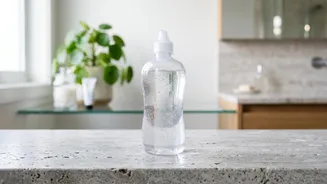
Nasal rinsing, also known as nasal irrigation, is a process used to flush out the nasal passages with a saltwater solution. Devices like neti pots, squeeze bottles, and bulb syringes are popular tools for this practice. When done correctly, it's an effective
way to remove mucus, allergens, dust, and other debris, helping to relieve symptoms of colds, flu, and allergies. The saline solution helps soothe the delicate nasal membranes without the burning sensation that plain water would cause. However, the safety and effectiveness of this entire process hinge on one crucial, and often overlooked, component: the water.
The Danger Lurking in Tap Water
While tap water in India is treated and generally safe to drink, it is not sterile. It can contain low levels of microorganisms, such as bacteria and amoebas. When you drink tap water, your stomach acid effectively neutralises these potential threats. But when this same water is introduced into your nasal passages, these microorganisms can survive and thrive. The nasal cavity provides a direct pathway for these microbes to travel to the brain, which can lead to rare but extremely serious, and often fatal, infections. The most notorious of these organisms is Naegleria fowleri, often called the 'brain-eating amoeba'. Though infections are rare, they are nearly always deadly, causing a devastating condition called primary amebic meningoencephalitis (PAM).
What 'Safe Water' Really Means
According to health authorities like the US Centers for Disease Control and Prevention (CDC) and the Food and Drug Administration (FDA), only specific types of water are safe for nasal rinsing. To protect yourself, you must use one of the following options: Distilled or Sterile Water: This is the safest and most convenient option. You can purchase it from most pharmacies and grocery stores. The label will clearly state 'distilled' or 'sterile'. Boiled Tap Water: If you use tap water, you must boil it first to kill any harmful organisms. Bring the water to a rolling boil for at least one full minute (three minutes at elevations above 6,500 feet), and then let it cool to a lukewarm or body temperature before use. You can store previously boiled water in a clean, closed container for up to 24 hours.Never use water directly from the tap for nasal rinsing.
Your Safety Checklist for Nasal Rinsing
Beyond using safe water, proper hygiene of your rinsing device is essential to prevent reintroducing bacteria into your sinuses. Follow these steps for a safe rinsing experience: 1. Wash Your Hands: Before preparing the rinse or handling the device, wash your hands thoroughly with soap and water. 2. Prepare the Solution: Use only safe water (distilled, sterile, or previously boiled and cooled) to mix your saline solution. You can use pre-packaged saline packets or make your own following trusted recipes. 3. Rinse Correctly: Lean over a sink and tilt your head sideways. Gently pour or squeeze the solution into the upper nostril, allowing it to flow out through the lower nostril. Breathe through your mouth during the process. Repeat on the other side. 4. Clean Your Device After Every Use: This step is non-negotiable. Wash the bottle, cap, and nozzle with warm water and soap, or follow the manufacturer's cleaning instructions. Some devices may be dishwasher or microwave-safe for disinfection. 5. Dry Completely: After washing, rinse all components thoroughly and allow them to air dry completely on a clean paper towel before storing. Trapped moisture can encourage bacterial growth.