



What Is the Current Situation?
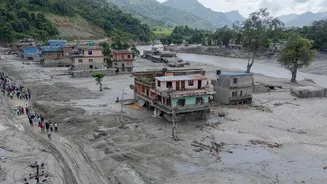
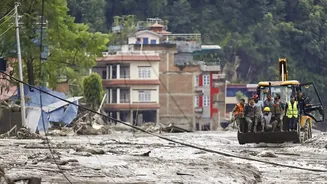
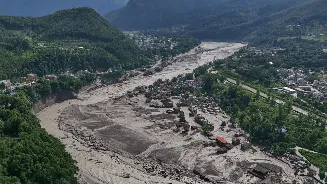
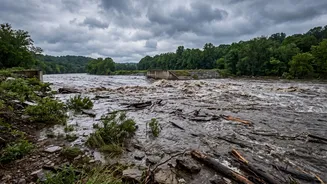
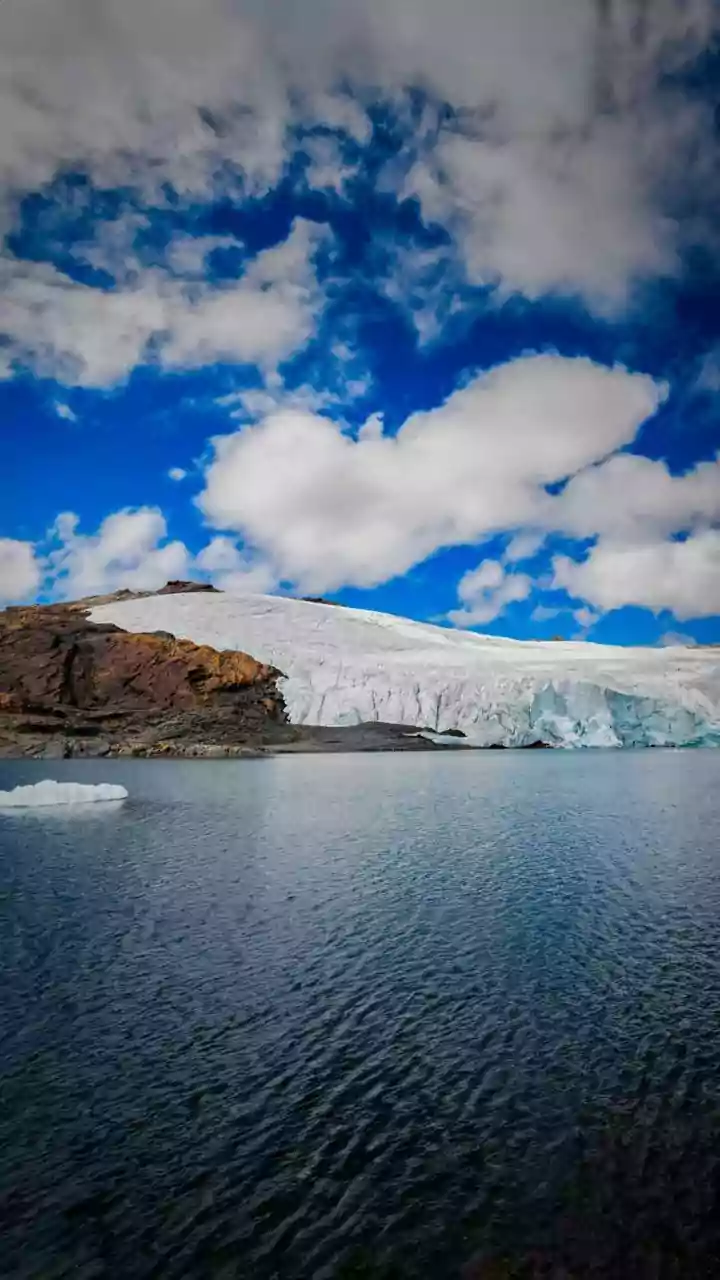
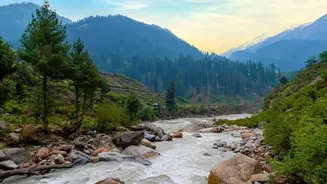
On August 26, a catastrophic flash flood, reportedly triggered by a glacial collapse near the Nepal-Tibet border, surged down the Bhote Koshi and Trishuli river corridors. This unleashed a wall of water and debris through the districts of Rasuwa, Nuwakot,
and Dhading, causing extensive damage to roads, bridges, and hydropower facilities. The disaster has resulted in a tragic loss of life, with hundreds dead and many more missing. While search and rescue operations are ongoing, authorities have warned that continuing monsoon rains could lead to further flooding and landslides, particularly in central and eastern Nepal. The U.S. Embassy in Nepal has highlighted the risk of flash floods and debris flows interrupting roads and rescue operations through at least September 1.
Which Major Tourist Routes Are Affected?
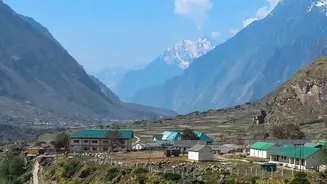
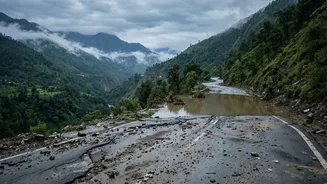
The primary impact for many tourists is the severe disruption to overland travel from Kathmandu. The Prithvi Highway, a vital artery connecting the capital to popular destinations like Pokhara, Chitwan, and Lumbini, has been critically damaged. On August 30, a section of the highway in the Krishnabhir area of Dhading collapsed due to erosion from the swollen Trishuli River. This has blocked the highway in both directions, and authorities have halted all vehicular and even pedestrian traffic, advising travellers not to begin their journey until further notice. Similarly, the Narayanghat-Mugling road section, another key transit route, has faced repeated closures and blockages due to the floods and landslides, though it has reopened intermittently. The road to Syabrubesi, the starting point for treks in the Langtang region, is reportedly destroyed and may take months to rebuild.
Is All of Nepal Inaccessible?
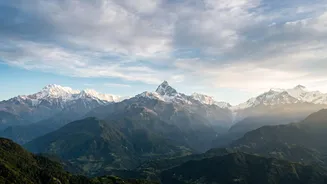
It is crucial to understand that the flooding is not nationwide. The disaster is primarily concentrated in specific northern districts and the river valleys flowing from them. Major tourism hubs like the Everest region, the Annapurna Circuit, Pokhara city itself, and the heritage sites within the Kathmandu Valley have not been directly hit by the floods and remain operational. The main challenge is getting to these places. While road travel is severely compromised, domestic flights are still operating from Kathmandu to destinations like Pokhara, though travellers should confirm flight status directly with airlines. For those already in country or with flexible plans, focusing on destinations accessible by air or those within the Kathmandu Valley is a viable option. However, broad travel advisories caution against non-essential travel to the most affected regions.
What Should September Travellers Do?
For those with trips planned in the immediate future, the first step is to contact your tour operator, airline, and hotels. They will have the most current, on-the-ground information about your specific itinerary. Given the Prithvi Highway closure, any plan that relies on road travel between Kathmandu and Pokhara or Chitwan is currently unfeasible. Ask your tour provider about alternative arrangements, such as flying instead of driving, or rescheduling your trip. While some international governments have not issued a blanket "do not travel" advisory for the entire country, they universally urge citizens to follow the advice of local authorities and stay away from affected areas. It is not a good time for independent travel through the central hills. The situation is fluid, and roads that are open one day can be closed the next. Prioritizing safety and flexibility is essential.
Planning Ahead and Staying Safe
If your trip is several weeks or months away, the situation may improve as road crews work to clear debris and assess damages. However, some repairs, especially on bridges and collapsed road sections, will take significant time. Continue to monitor official sources like the Nepal Tourism Board and your country's travel advisories. The Nepal Department of Hydrology and Meteorology provides ongoing updates on weather and flood risks. Travellers are advised to have robust travel insurance that covers medical evacuation and trip cancellations. For now, the consensus is clear: avoid the affected river corridors, verify all overland transport plans locally before departing, and do not attempt to travel on roads that authorities have closed.