
Beyond the Restaurant Staples
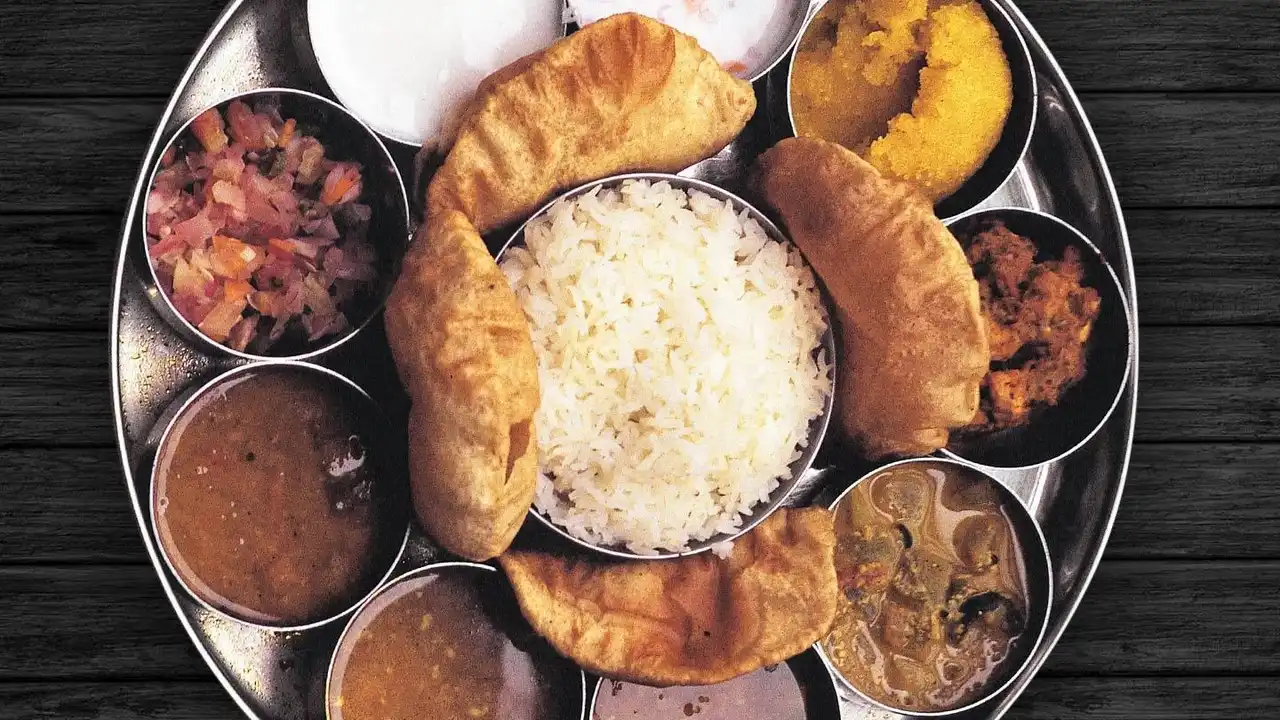
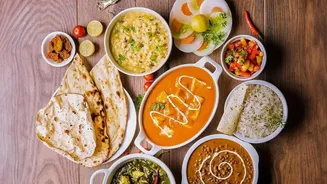
For decades, the perception of Indian food, both at home and abroad, has been shaped by a handful of popular dishes. Restaurant menus often feature the same gravies and kebabs, representing only a fraction of the country's immense culinary landscape.
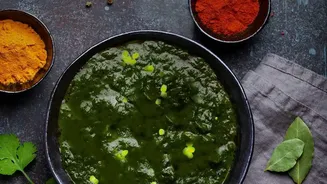
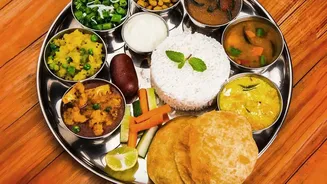
This has created a simplified, one-dimensional view of a cuisine that is, in reality, hundreds of distinct food traditions. Every region, state, and even village in India has its own unique food story, shaped by local ingredients, climate, and history. Yet many of these dishes, from complex, slow-cooked preparations to simple, seasonal specialties, have rarely been seen outside of home kitchens, their recipes passed down through generations but absent from the commercial dining scene.
The Rise of Curated Food Festivals
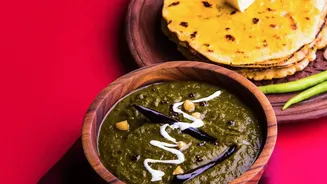
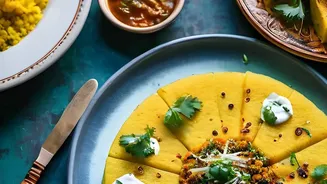
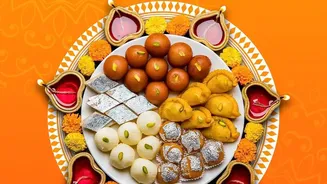
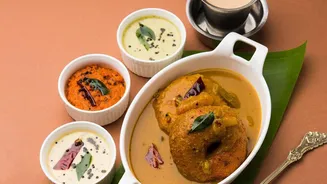
A key driver of this culinary renaissance is the emergence of food festivals and pop-up events dedicated to authenticity. Unlike generic food fairs, these curated gatherings aim to educate and immerse visitors in India's rich food heritage. Organizers are creating spaces where home cooks and specialty vendors can showcase regional delicacies that tell a deeper story. From the street foods of Delhi to the coastal flavours of Kerala and the heirloom recipes of Bengal, these events provide a platform for dishes that are rarely found on mainstream menus. They function as living culinary museums, allowing attendees to taste the difference between a Goan and a Bengali fish curry or discover sweets made only for specific festivals, fostering a new appreciation for the nation's diversity.
Chefs as Culinary Archaeologists
This revival is also being led by a new generation of chefs who see themselves as much as researchers as cooks. They are travelling to remote corners of the country, documenting recipes, and learning forgotten techniques from elders in the community. People like MasterChef finalist Suraj Thapa are bringing personal, heirloom recipes to a wider audience through pop-ups, while others like Chef Aditya Bal have dedicated entire shows to unearthing lost dishes. This culinary archaeology involves more than just collecting recipes; it's about understanding the context, the history, and the culture behind the food. Some chefs are reviving time-consuming dishes like the Kashmiri 'Shab deg', which takes over 12 hours to prepare, reintroducing a level of artistry and patience that had been sidelined in modern cooking.
A Hunger for Authenticity
So, why is this happening now? The trend reflects a broader cultural shift. In a globalized world, there's a growing desire for authentic connections and a deeper understanding of one's roots. For many, food is the most accessible link to heritage. The pandemic also played a role, as lockdowns prompted a return to home cooking and a renewed interest in grandmother's recipes and traditional, immunity-boosting foods. This has translated into a dining public that is more curious and adventurous, eager to explore flavours beyond the usual. As one chef noted, there is a realization that "beyond butter chicken lies one of the world's most diverse and fascinating culinary traditions, with countless regional dishes waiting to be explored."
From Pop-Ups to Permanent Menus
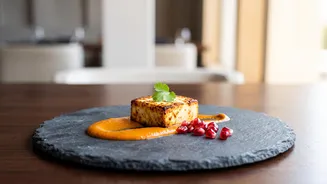
What begins at a pop-up or a food festival is now making its way onto the permanent menus of fine-dining and contemporary restaurants. Chefs are drawing on local ingredients and heritage preservation techniques to reshape what modern Indian food can be. This isn't just about placing an old dish on a new menu; it involves refining presentations and reinterpreting traditions for a modern palate without losing the soul of the recipe. We're seeing innovative fusions like Butter Chicken Pani Puri and Dal Khichadi Risotto, but also a renewed commitment to presenting purely traditional, regional dishes with the respect they deserve. This movement from niche to mainstream signals a permanent evolution in Indian dining, celebrating the country's hyper-regional ingredients and terroir with pride.