





The End of the Packed Itinerary
For years, the weekend trip was a frantic affair. It was a race against the clock to squeeze as much as possible into 48 hours: ticking off landmarks, hopping between cafes, and capturing picture-perfect moments for social media. This approach, born from
a wider hustle culture, often left travellers returning home more exhausted than when they left. The goal was to see everything, do everything, and prove you had an amazing time. But this pressure to perform, combined with the stress of constant movement, has led to a collective burnout, prompting many to question the very purpose of a getaway. The focus on quantity over quality left little room for what many now crave: genuine rest.
The Rise of Restorative Retreats
In place of the whirlwind tour, a new philosophy is taking hold: restorative travel. This is a more intentional approach focused on well-being, where the primary goal isn't to sightsee, but to recharge. This trend, also known as “slow travel,” encourages travellers to do less, but more meaningfully. It’s about trading a checklist of attractions for deeper immersion and connection—with a place, with loved ones, or with oneself. In India, the wellness tourism market is booming, expected to grow significantly as travellers prioritise experiences built around yoga, meditation, nature immersion, and digital detoxes. Hotels and retreats are responding, positioning well-being not as an add-on, but as the main reason to travel.
What's Driving This Cultural Shift?
Several factors are fuelling this move toward recovery. The post-pandemic era has prompted a major re-evaluation of priorities, with a greater emphasis on mental and physical health. Increased awareness of burnout and the negative effects of our “always-on” digital lives has created a deep yearning for true disconnection. The growing global wellness movement has also normalised the idea that rest is a productive and necessary activity. Younger generations, in particular, are showing a desire to prioritise meaningful experiences over simply collecting photos for social media. This shift also has a sustainable angle; by staying longer in one place and reducing frantic travel between multiple spots, travellers can lessen their environmental impact.
How to Plan Your Own Recovery Weekend
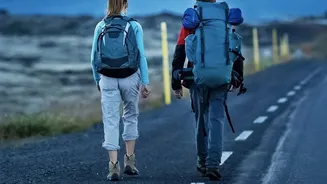
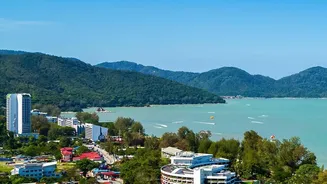
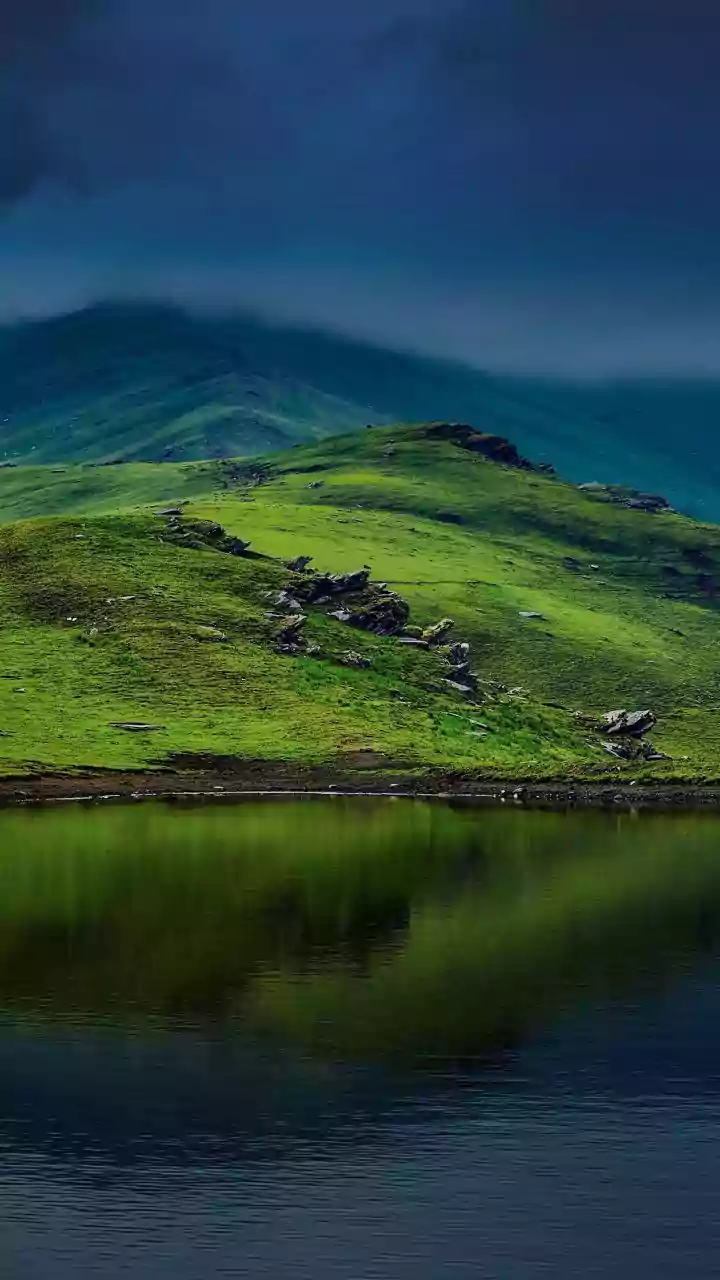
Embracing recovery travel doesn’t mean doing nothing; it means doing what truly nourishes you. Start by choosing a destination that promotes calm, such as a quiet cabin, a countryside inn, or a seaside town in the off-season. Consider a digital detox, where you intentionally limit or abstain from using your devices to be more present. Instead of a rigid schedule, create a loose list of intentions. Do you want to catch up on sleep, read a book, take long walks in nature, or enjoy unhurried meals? The key is to release the pressure to be productive. The most luxurious part of the trip might not be the hotel, but the permission you give yourself to simply breathe and be still.