

The Perfect Post-Monsoon Weather
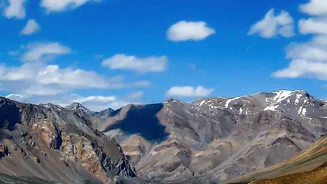
One of the biggest advantages of visiting Ladakh in late summer is the weather. While much of India grapples with heavy monsoon rains, Ladakh, being in a rain shadow area, experiences very little rainfall. By August and September, the sporadic showers
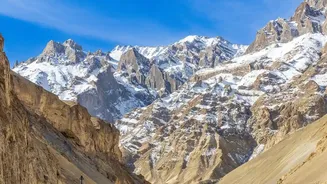
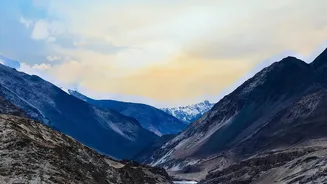
of July have passed, leaving behind crisp, clean air and brilliantly clear blue skies. Daytime temperatures are comfortable, typically hovering between 15°C and 25°C, making it ideal for sightseeing and outdoor activities without the intense heat of early summer or the biting cold of autumn. Evenings get chilly, but are manageable with a few warm layers.
Fewer Crowds, More Serenity
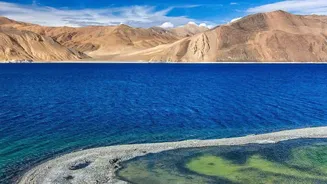
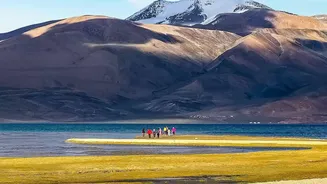
The peak tourist rush in Ladakh occurs in June and July. By late August, the crowds begin to thin out considerably, and by September, you’ll find a much quieter and more peaceful version of Ladakh. This means less traffic on the roads, more availability in hotels and guesthouses, and a more personal experience at iconic sights like Pangong Tso, Nubra Valley, and the many ancient monasteries. If you’re looking to soak in the tranquil Himalayan atmosphere without the hustle and bustle, this is the time to go.
Stunning Autumn Landscapes Emerge
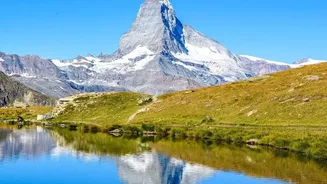
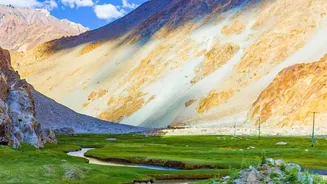
Late summer is when Ladakh’s starkly beautiful landscape begins its magical transformation into autumn. The valleys, which may have a hint of green from the minimal monsoon moisture, start to turn golden. Poplar and apricot trees adopt brilliant shades of yellow and orange, creating a breathtaking contrast against the barren brown mountains and the deep blue sky. For photographers and nature lovers, this period offers a cinematic quality of light and colour that you simply don’t get at other times of the year. The air is often clearer, making the vistas sharper and even more dramatic.
Open Roads and Accessible Passes
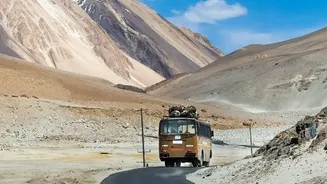
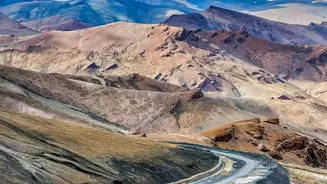
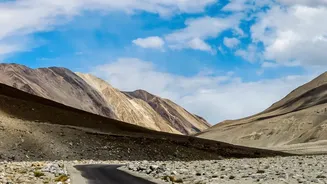
A major concern for any Ladakh road trip is the accessibility of high-altitude passes. The late summer window from August to September is one of the most reliable periods for road travel. Both the Manali-Leh and Srinagar-Leh highways are fully operational, and the risk of weather-related closures due to snow or landslides is significantly lower than in early summer or later in autumn. This stability allows for smoother planning and execution of road trips, whether you're on a motorcycle or in a car, letting you explore remote areas with greater confidence.
Vibrant Cultural Festivities
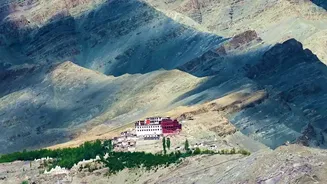
This period often coincides with several unique monastic and cultural festivals. While the famous Hemis Tsechu usually takes place in June or July, late summer has its own cultural calendar. Festivals like the Takthok Tsechu at Takthok Monastery and Phyang Tsedup may occur during this time, offering travellers a chance to witness colourful masked dances (cham) performed by monks. The grand Ladakh Festival, a week-long celebration of the region's culture, often takes place in September, featuring traditional music, dance, and archery contests in and around Leh.
Ideal Conditions for Adventure
The pleasant weather and clear conditions make late summer a prime time for adventure activities. Trekkers will find the trails dry and the temperatures ideal for long days of walking. The Zanskar and Indus rivers offer excellent opportunities for white-water rafting. For motorcycle enthusiasts and mountain bikers, the dry roads and reduced traffic create the perfect conditions for tackling some of the world's highest motorable passes, like Khardung La and Chang La, without the added challenges of summer slush or winter ice.