


Understanding Fat Stability in Cooking
Before comparing ghee and oils, it's crucial to understand what 'fat stability' means. It primarily refers to two things: smoke point and oxidative stability. The smoke point is the temperature at which a fat begins to smoke and break down, producing
harmful compounds. Oxidative stability is an oil's resistance to reacting with oxygen when heated, which can also degrade its quality and nutritional value. When oils break down, they not only lose nutrients but can also form free radicals and other toxic substances that are detrimental to health. For daily urban cooking, which often involves high-heat methods like tadka (tempering), sautéing, and frying, choosing a stable fat is paramount for both taste and health.
The Enduring Case for Ghee
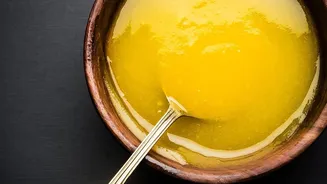
Ghee, particularly desi ghee, is clarified butter that has been a cornerstone of Indian cooking for centuries. The process of making ghee involves removing the milk solids, which are prone to burning. This leaves behind pure butterfat that is incredibly stable. Ghee boasts a very high smoke point, typically around 250°C (485°F). This makes it exceptionally well-suited for high-temperature Indian cooking techniques. Its high saturated fat content, once a source of concern, is now understood to make it more resistant to oxidation during cooking compared to polyunsaturated fats. Furthermore, ghee contains butyrate, a short-chain fatty acid known for its anti-inflammatory properties and support for gut health. An 'infused ghee' simply means ghee flavoured with herbs or spices, a practice that enhances taste without altering its fundamental stability.
The Merits of Cold-Pressed Oils
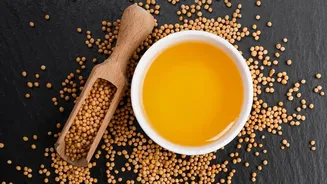
Cold-pressed oils have gained immense popularity as a healthier alternative to industrially refined oils. The 'cold-press' method involves extracting oil from seeds or nuts using mechanical pressure at low temperatures, which helps retain natural flavours, antioxidants, and nutrients like Vitamin E. Common choices in India include groundnut, mustard, coconut, and sesame oils. However, their stability varies significantly. While they are certainly healthier than refined oils, most cold-pressed oils have lower smoke points than ghee. For instance, cold-pressed coconut oil has a smoke point of about 177°C, and extra virgin olive oil is even lower. Using these oils for high-heat frying can cause them to break down, defeating the purpose of choosing them for their nutrients.
The Verdict for Your Kitchen
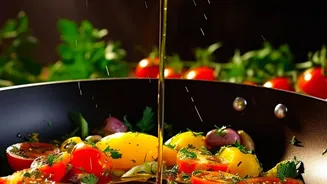
So, which fat should you use? The answer isn't to pick one winner, but to use each for its strengths. For high-heat applications like tadka, deep-frying pakoras, or searing vegetables on a tawa, ghee is the undisputed champion. Its superior stability ensures that you get flavour and richness without generating harmful compounds. Cold-pressed oils shine in low to medium-heat cooking. Use cold-pressed groundnut or coconut oil for light sautéing of sabzis. Cold-pressed mustard oil, with its pungent flavour and omega-3 content, is great for certain regional dishes but should be used with an understanding of its heat tolerance. Delicate oils like flaxseed or extra virgin olive oil are best used raw, drizzled over salads or finished dishes to preserve their fragile nutrients and flavours.