





Your Body's Natural Air Conditioner
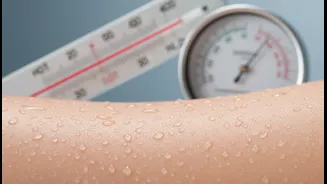
When you exercise, your body temperature rises. To cool down, your brain signals your sweat glands to get to work. Sweat, which is mostly water, evaporates from your skin, taking heat with it. This is your body's highly effective, built-in cooling system.
However, this cooling process comes at a cost: the loss of both water and essential minerals called electrolytes. These electrolytes—including sodium, potassium, calcium, and magnesium—are crucial for everything from muscle function to nerve signaling.
The Humidity Complication
Working out in a humid environment, a familiar scenario for many in India, adds a significant challenge. High humidity means the air is already saturated with moisture. This makes it much harder for your sweat to evaporate from your skin. As a result, your body's cooling efficiency drops, and it responds by producing even more sweat in an attempt to lower your temperature. This leads to greater fluid loss and, consequently, a more significant loss of electrolytes.
The Problem with Plain Water
Instinctively, you reach for plain water to rehydrate. While replacing lost fluid is vital, drinking excessive amounts of plain water during or after intense, sweaty exercise can create a dangerous imbalance. As you pour in water without replacing the lost electrolytes, you dilute the sodium concentration in your blood. This condition is known as exercise-associated hyponatremia. In this state, the body's water levels rise, and cells begin to swell, which can lead to a range of symptoms and, in severe cases, become a medical emergency.
Meet the Minerals You're Losing
Sweat is more than just water; it's a cocktail of vital minerals. The most significant loss is sodium, which is essential for maintaining fluid balance and nerve function. You also lose potassium, which helps regulate muscle contractions and heart rate, and smaller amounts of magnesium and calcium, which are important for energy production and preventing muscle cramps. Losing these minerals without replacing them can impair performance and recovery.
Signs of an Electrolyte Imbalance
Recognising the early signs of electrolyte imbalance is key. Initial symptoms can be subtle and are often mistaken for simple fatigue from a hard workout. They can include muscle cramps or twitching, nausea, dizziness, headaches, and feeling unusually weak or lethargic. In more pronounced cases of hyponatremia from overhydration, you might experience confusion, disorientation, and bloating. It's important to listen to your body and not dismiss these signals.
Smarter Hydration for Humid Workouts
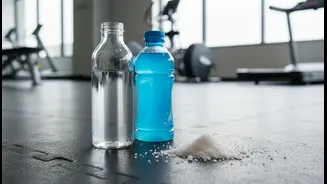
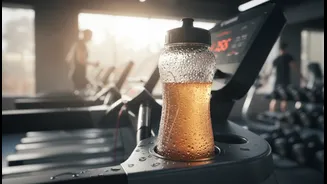
The solution isn't to stop drinking water, but to hydrate more intelligently. For workouts lasting over an hour or those that are particularly intense and sweaty, you need to replace electrolytes, not just fluid. This can be done by consuming a sports drink that contains sodium and other minerals. Alternatively, an oral rehydration solution, coconut water, or even a simple homemade mix of water, a pinch of salt, and a little sugar can help. Eating electrolyte-rich foods post-workout, like bananas (for potassium) or salted nuts (for sodium), can also help restore balance.