


Starting your day with the right breakfast is crucial for managing diabetes. Incorporating foods rich in soluble fibre can make a significant difference by slowing sugar absorption and preventing sharp spikes in blood glucose levels.
1. Chia Seeds
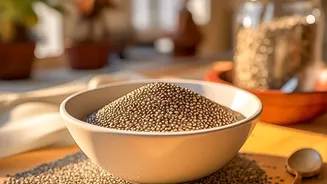
These tiny black seeds
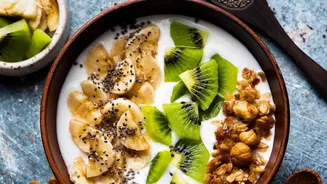
are nutritional powerhouses, especially known for their high fibre content. Just two tablespoons deliver around 10 grams of fibre, a significant portion of which is soluble. When chia seeds are mixed with liquid, this soluble fibre forms a thick gel. This same process happens in your stomach, slowing down digestion and the rate at which glucose is released into your bloodstream. This helps in maintaining stable blood sugar levels and preventing the sudden spikes and crashes that can be challenging for those with diabetes. Beyond fibre, chia seeds are also rich in omega-3 fatty acids, protein, and essential minerals like magnesium, which plays a role in insulin sensitivity. For a simple breakfast, try making overnight chia pudding by soaking the seeds in milk or yoghurt, or simply sprinkle them over oatmeal or smoothies.
2. Flaxseeds (Alsi)
Flaxseeds, also known as 'alsi' in India, are another excellent source of soluble fibre. When ground, flaxseeds are easier for the body to digest and absorb. The soluble fibre in flax, particularly a gummy compound called mucilage, helps to slow down digestion and the absorption of sugar, which is beneficial for blood sugar control. Regular consumption of flaxseed has been shown in studies to improve insulin sensitivity and reduce fasting blood sugar levels in people with type 2 diabetes. They are also one of the best plant-based sources of alpha-linolenic acid (ALA), a type of omega-3 fatty acid that helps reduce inflammation and supports heart health—a key consideration in diabetes management. Add a tablespoon of ground flaxseed to your morning smoothie, mix it into daliya or porridge, or blend it into the batter for whole-wheat pancakes.
3. Psyllium Husk (Isabgol)
While commonly known as a remedy for constipation, psyllium husk, or 'isabgol', is almost entirely made of soluble fibre. Derived from the seeds of the Plantago ovata plant, psyllium forms a viscous gel when it comes in contact with water. Consuming it before or with a meal can significantly slow down the digestion of carbohydrates, leading to a much more gradual increase in blood sugar. Several studies have highlighted its effectiveness in improving overall glycemic control, reducing fasting blood glucose, and even lowering HbA1c levels in individuals with type 2 diabetes. It is important to start with a small amount, like half a teaspoon, mixed thoroughly into a large glass of water, as it absorbs a lot of liquid. You can also mix a small quantity into oatmeal or a smoothie, ensuring you drink plenty of fluids throughout the day.
4. Basil Seeds (Sabja)
Often seen in drinks like falooda, basil seeds, or 'sabja', are rich in fibre, much of which is soluble. Similar to chia seeds, they swell up and form a gelatinous coating when soaked in water. This gel_forming fibre slows down metabolism and the conversion of carbohydrates into glucose, which helps in managing blood sugar levels. Traditional and Ayurvedic medicine has long used sabja seeds for their digestive benefits, which include soothing the stomach lining and preventing acidity. Their high fibre content also promotes a feeling of fullness, which can aid in weight management. To use them, soak a teaspoon or two in water for about 15 minutes until they swell, and then add them to yoghurt, milk, or a low_sugar breakfast drink.
5. Pumpkin Seeds (Kaddu Ke Beej)
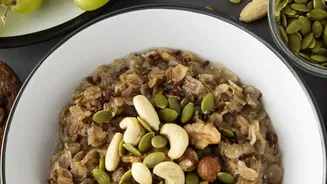
Pumpkin seeds are not only a tasty snack but also a valuable source of dietary fibre and healthy fats. While they contain a mix of soluble and insoluble fibre, their overall fibre content contributes to slowing down glucose absorption and supporting stable blood sugar. More importantly, pumpkin seeds are one of the best natural sources of magnesium, a mineral that is crucial for regulating blood sugar and improving insulin sensitivity. Studies have shown that diets high in magnesium are associated with a lower risk of type 2 diabetes. These seeds also offer antioxidants and plant_based protein. Enjoy a handful of raw or roasted pumpkin seeds on their own, or sprinkle them over a bowl of porridge, yoghurt, or a savoury breakfast like upma for added crunch and nutrition.