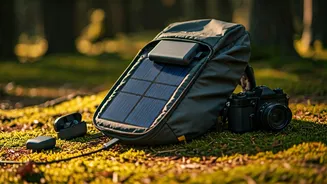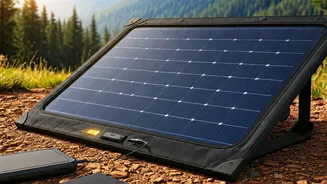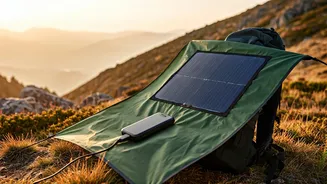









What Exactly is a Solar Tarp?
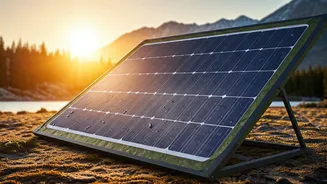
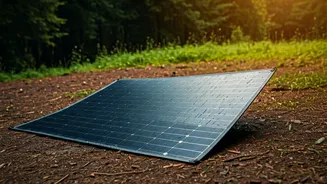
Think of a solar tarp as a portable, flexible power station you can unroll and lay in the sun. Unlike rigid solar panels, these are built for the rough-and-tumble of outdoor life. They integrate thin, efficient photovoltaic (PV) cells into a durable,
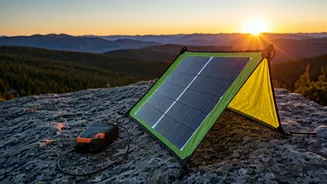
lightweight, and often waterproof fabric. The entire setup is designed to be packed into a rucksack. When you set up camp, you can unfold it, hang it from your tent or lay it on a rock, and start harvesting solar energy to power your essential gadgets, from smartphones and GPS devices to headlamps and cameras.
How It Keeps You Powered
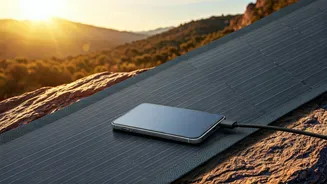
The principle is simple yet effective. The PV cells on the tarp capture photons from sunlight and convert them into a direct current (DC) of electricity. This current is then channelled through built-in USB ports (look for models with both USB-A and USB-C for versatility). You can either plug your device directly into the tarp to charge it or, more effectively, connect it to a power bank. Charging a power bank first is the recommended strategy; it stores the energy generated throughout the day, allowing you to charge your devices at night or during cloudy spells without interruption. This method also protects your phone's sensitive battery from the fluctuating power output that direct sunlight can cause.
Features to Look for Before You Buy
Not all solar tarps are created equal, especially for the diverse conditions of Indian treks. The most crucial feature is waterproofing, indicated by an IP rating. An IP67 rating means the device is dust-tight and can be submerged in 1 metre of water for 30 minutes, making it perfect for surviving an unexpected monsoon downpour. Next, consider the wattage. A 15-25 watt panel is a good sweet spot for charging phones and power banks efficiently. Anything less may struggle in less-than-perfect sunlight. Also, check the material; panels laminated with ETFE are more durable and have better light transmittance than cheaper PET alternatives. Finally, look at its weight and packed size. For a long trek, every gram counts.
Managing Expectations: Sun vs. Clouds
The claim to 'never lose charge' is optimistic. A solar charger’s performance is entirely dependent on one key factor: the sun. On a bright, clear day in Ladakh, a 20-watt panel can charge a 10,000mAh power bank in about 6-8 hours. However, on an overcast day in the Western Ghats during monsoon season, that same panel might struggle to generate a meaningful charge. These devices are not magic; they are tools for topping up and extending your battery life, not for constant, heavy power consumption. They provide a crucial lifeline, ensuring you have enough power for navigation and emergency calls, but they won't let you stream movies for hours in your tent.
Getting the Most Out of Your Tarp
To maximise efficiency, you need to use your solar tarp strategically. Always position it to face the sun directly. As the sun moves across the sky, you may need to re-angle the panel every couple of hours. Ensure the surface is clean from dust, dirt, and water droplets, as any obstruction can significantly reduce its output. Spreading it over your tent or a large, angled rock is often more effective than laying it flat on the ground. Most importantly, always charge a power bank as your primary goal. This creates a stable power reserve that you can rely on, day or night, rain or shine.