








From Gut Feel to Gigabytes
For decades, cafe owners have relied on a mix of experience, intuition, and a quick glance at last week's sales report to manage their business. This "gut-feel" approach dictates everything from how many baristas are on shift to how many croissants are baked.
While admirable, this method is often inexact. Overstaffing during a slow spell eats into profits, while understaffing during an unexpected rush leads to long queues, stressed employees, and unhappy customers who might not return. Similarly, over-baking leads to food waste, while under-baking means missed sales. In a business with notoriously tight margins, these daily gambles can make or break a small enterprise.
How AI Learns the Coffee Business
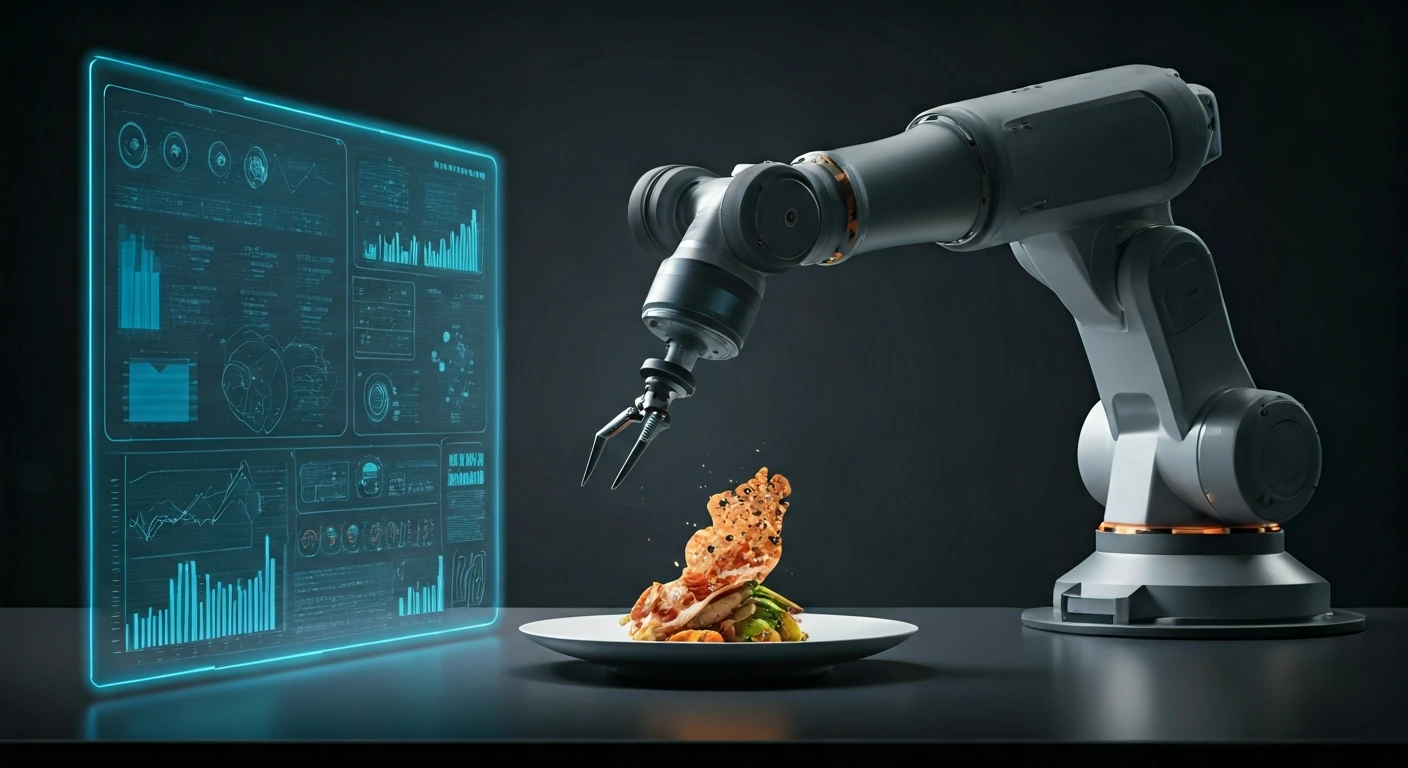
Artificial intelligence offers a more sophisticated solution. By using machine learning algorithms, AI-powered forecasting tools can analyze vast amounts of data to identify complex patterns that a human might miss. Instead of just looking at last Tuesday's sales, these systems can process historical sales data, customer traffic patterns, and even external factors to create highly accurate predictions of future demand. This isn't about a robot barista taking over; it's about giving cafe managers a powerful new tool to make smarter, data-driven decisions about staffing, inventory, and operations.
More Than Just Sales Data
The real power of AI forecasting lies in its ability to synthesize diverse data streams. An AI platform can integrate with a cafe's point-of-sale (POS) system to track sales in real time. But it can also pull in external information that influences customer behaviour. This includes weather forecasts (fewer iced lattes on a rainy day), local events like festivals or sporting matches that drive foot traffic, public holidays, and even social media trends. By understanding how all these variables interact, the AI can predict not just how busy a day will be, but which specific hours will be the busiest and what customers are most likely to order.
A Smarter, More Efficient Cafe
The benefits of accurate forecasting are significant. With a clear picture of upcoming demand, managers can create optimized staff schedules, ensuring there are enough hands on deck for the morning rush without paying for idle employees during the afternoon lull. This can reduce labor costs by a significant margin. Inventory management becomes proactive instead of reactive. The system can suggest precise orders for milk, coffee beans, and perishable food items, drastically cutting down on waste and preventing stockouts of popular items. This operational efficiency directly translates to improved profitability, a critical advantage in the competitive food and beverage industry.
A Better Experience for Everyone
The impact of AI isn't just felt on the balance sheet; it enhances the experience for customers and employees alike. For customers, better forecasting means shorter wait times, fresher food, and the assurance that their favourite oat milk latte won't be sold out. For employees, a well-staffed shift is less stressful, allowing them to focus on crafting quality drinks and providing better customer service rather than struggling to keep up. Some AI systems can even personalize the experience by remembering customer preferences and offering targeted promotions, fostering greater loyalty.
The Challenges on the Menu
Despite the promise, adopting AI isn't a simple plug-and-play solution. The initial investment in software and integration can be a barrier for small, independent cafes. There are also concerns about data privacy and the operational disruption that can come with implementing new workflows. Perhaps the biggest fear is that an over-reliance on technology could lead to a loss of the "human touch" that defines the unique culture of a neighbourhood cafe. The key, experts suggest, is to use AI to automate repetitive back-of-house tasks, freeing up humans to focus on what they do best: hospitality and connection.