





A Golden Haul By The Numbers
Across the Dhanteras-Diwali festive period in early November 2026, Indians bought a staggering 52 tonnes of gold, worth approximately ₹72,000 crore, according to the India Bullion and Jewellers Association (IBJA). This represents a significant 30% jump
in the volume of gold purchased compared to the same period last year. The surge was not just a headline-grabbing figure; it signalled a powerful revival of consumer demand ahead of the crucial wedding season, which kicks off in mid-November. The festive timing, with Dhanteras on November 6 and Diwali on November 8, aligned perfectly with the time salaried employees receive monthly pay and festival bonuses, ensuring healthy cash flow in the market.
The Price Was Right
A key catalyst for this gold rush was a timely correction in prices. After reaching a peak of around ₹1.8 lakh per 10 grams earlier in the year, gold prices corrected by nearly 21% to about ₹1.42 lakh per 10 grams during the festive period. This dip was seen by many as a golden opportunity. Consumers who had been waiting on the sidelines, deterred by record-high prices, re-entered the market with enthusiasm. Jewellers reported that this price easing brought back pent-up demand, as families looked to lock in their purchases for upcoming weddings rather than risk future price volatility.
More Than an Ornament, an Investment
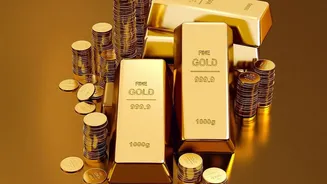
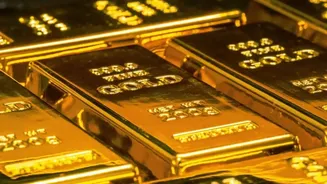
While cultural significance remains a powerful driver, the festive buying spree also highlights gold's enduring appeal as a solid investment. In a year marked by economic uncertainties, many see the yellow metal as a safe haven and a reliable hedge against inflation. This trend is reflected in a structural shift toward investment-focused gold products. While jewellery remains popular, demand for gold bars and coins has been robust. The rise of digital gold and gold Exchange Traded Funds (ETFs) has also broadened the investor base, attracting younger, tech-savvy buyers who appreciate the convenience and accessibility of these instruments. This diversification shows that for modern India, gold is as much about wealth preservation as it is about adornment.
Shifting Tastes and Modern Buying Habits
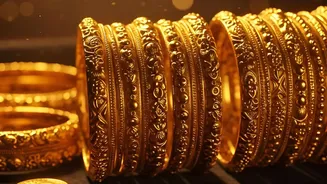
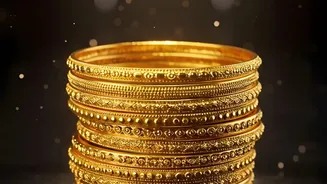
Even within traditional jewellery, consumer preferences are evolving. While the desire for gold is constant, affordability concerns at elevated price levels have pushed buyers towards more practical choices. Jewellers noted strong demand for lightweight jewellery, including pendants, chains, and bangles, as well as lower-carat options like 18-carat gold. Smaller gold coins, weighing between one to five grams, were also popular, allowing consumers to make auspicious purchases without a hefty financial outlay. Furthermore, the practice of exchanging old gold to fund new purchases played a significant role, accounting for a substantial portion of transactions and enabling buyers to upgrade their collections more affordably.
The Broader Economic Picture
This massive inflow of gold has wider implications for the Indian economy. As India imports the vast majority of its gold, such a surge in demand directly impacts the country's trade deficit. Gold imports for October 2026 climbed to US$5.51 billion, a key factor in the trade deficit widening to a one-year high. However, the increase in demand also reflects strong consumer confidence, a positive indicator for overall economic health. It fuels business for a vast jewellery industry and signals a willingness among households to spend. At the same time, the government has been wary of the impact on its import bill, having previously raised import duties to 15% to moderate demand, a move that some analysts suggest has also increased unofficial gold inflows.