





Starting an exercise routine can feel daunting, especially if you have joint pain. But movement is key to long-term health. These gentle, effective options are perfect for beginners and can be adapted to any fitness level.
Why Go Low-Impact?
Low-impact exercise is any movement
that is gentle on your body, placing less stress on your joints compared to high-impact activities like running or jumping. This approach is not about making workouts 'easier'; it's about making them smarter and more sustainable. By reducing the jarring forces on your knees, hips, and ankles, you lower your risk of injury and allow for more consistent training. These exercises are fantastic for everyone, from absolute beginners to seasoned athletes looking for active recovery. They improve heart health, build muscle, increase flexibility, and can help manage weight effectively, all while protecting your joints. In fact, gentle activities help lubricate the joints by encouraging the circulation of synovial fluid, which can reduce stiffness and even alleviate symptoms of arthritis.
Level 1: Foundational Cardio
If you're just starting, the goal is to get your body moving comfortably and consistently. Aquatic exercise is often called the ultimate joint-friendly workout. The buoyancy of water supports your body weight, which dramatically reduces the load on your joints. Simply walking in chest-deep water provides gentle resistance that strengthens muscles without the strain of land-based exercises. Water aerobics classes are another excellent option, combining cardio and strength in a fun, supportive environment. On land, walking is one of the most accessible exercises you can do. Start with 10-15 minute walks on flat surfaces, wearing supportive shoes. As you feel stronger, you can gradually increase your duration or try walking on gentle inclines. The key is to build a steady routine that feels good for your body.
Level 2: Building Strength with Bodyweight
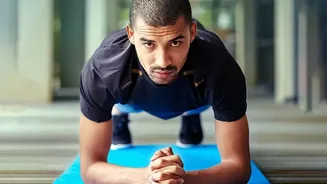
Once you've built a base of movement, you can incorporate bodyweight exercises to build strength. Stronger muscles act as shock absorbers for your joints. Many of these can be done at home with no equipment. The Glute Bridge is a fantastic exercise for strengthening the glutes and lower back, which helps support the knees and hips. To perform it, lie on your back with your knees bent and feet flat on the floor. Lift your hips toward the ceiling, hold for a few seconds, and slowly lower. Wall Sits are another great option for building quadriceps strength without bending the knee under load. Simply slide your back down a wall until your knees are at a 90-degree angle and hold. For the upper body, modified pushups with your knees on the floor or against a wall reduce the strain on your wrists and shoulders while still building strength.
Level 3: Mindful Movement and Flow
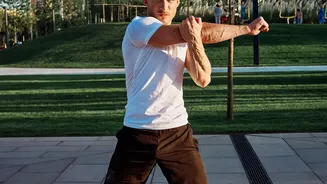
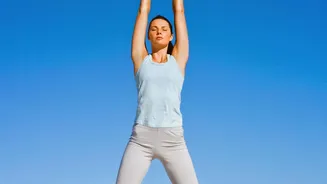
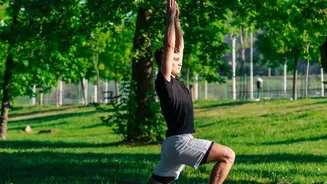
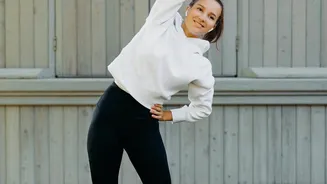
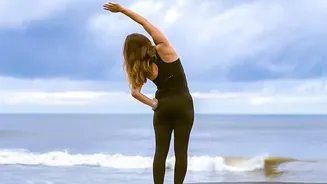
For those ready to add another layer of fitness, mindful practices like Tai Chi and gentle yoga offer immense benefits. Tai Chi, an ancient martial art involving slow, flowing movements, is proven to improve balance, reduce stress, and relieve arthritis pain. Its gentle motions enhance mobility and strengthen the lower body with minimal joint impact. Studies have shown it can significantly reduce pain and physical impairment for people with knee osteoarthritis. Similarly, gentle yoga can increase flexibility, improve range of motion, and build core strength. Poses like the 'cat_cow' stretch encourage spinal mobility with very little pressure. Chair yoga is another wonderful adaptation that provides all the benefits of stretching and strengthening while being fully supported.
Listen To Your Body
No matter which exercises you choose, the most important rule is to listen to your body. There's a difference between the discomfort of a muscle being challenged and the sharp pain of an aggravated joint. Never push through sharp, stabbing, or sudden pain. It's also crucial to warm up before each session with gentle movements like arm circles and leg swings to increase blood flow. Consistency is more important than intensity. Regular, moderate activity will yield far greater long term benefits than occasional, overly strenuous workouts that lead to soreness or injury. Progress should be gradual. As you get stronger, you can increase the duration of your workouts, add more repetitions, or incorporate new movements. The journey is about celebrating small wins and building a sustainable habit that supports your health for years to come.