




The Magic of a Master Base
The secret weapon in many restaurant kitchens and efficient Indian homes isn't a shelf full of spices—it's a pre-made curry base. This foundational sauce, often called an onion-tomato masala, is where the deep, slow-cooked flavour comes from. By making
a large batch in advance, you do the majority of the work—the chopping, the sautéing, the simmering—just once. Then, throughout the week, you simply combine a portion of your base with your choice of vegetables or protein for a near-instant, authentic-tasting curry. It’s the ultimate shortcut to beating the weekday dinner rush without sacrificing quality.
North Indian All-Rounder: Onion-Tomato Masala
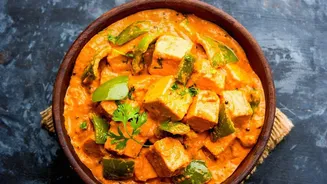
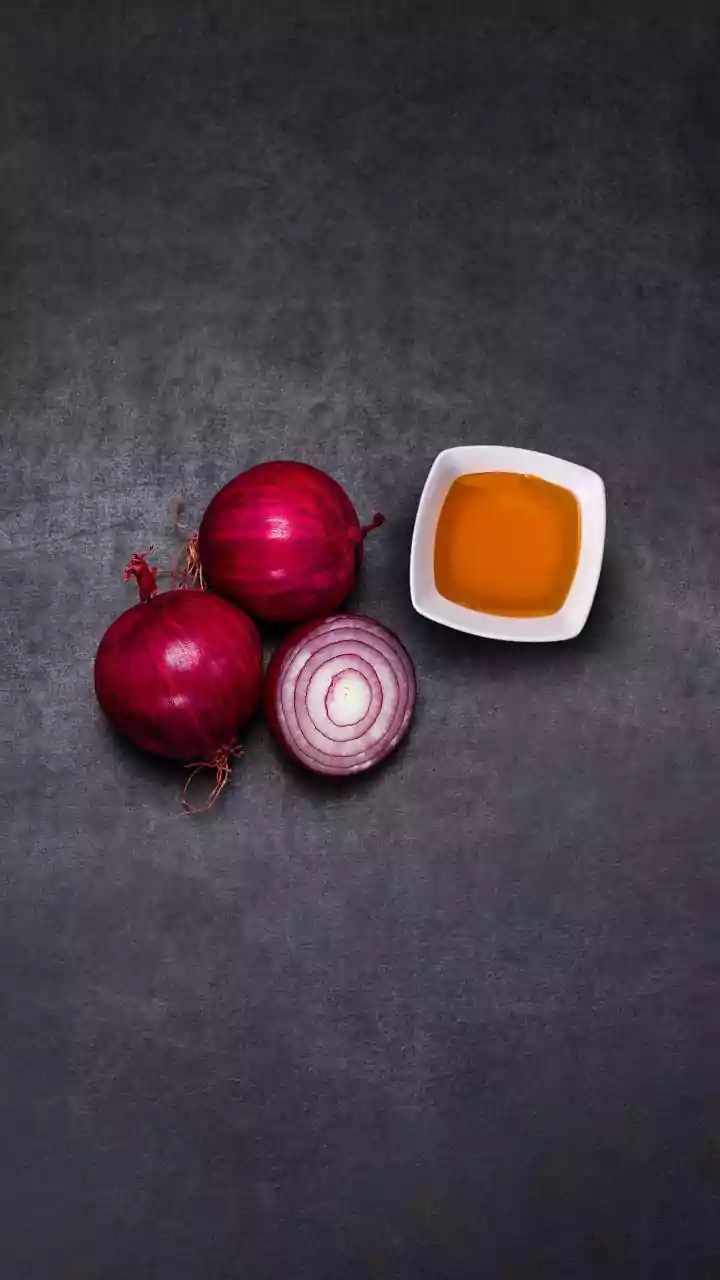
This is the workhorse of North Indian cuisine, forming the foundation for everything from Chana Masala to Paneer Butter Masala. It’s a rich, flavourful paste made by slowly caramelizing onions before adding ginger, garlic, tomatoes, and a blend of ground spices. The key is patience; allowing the onions to brown deeply and then cooking the tomatoes until the oil separates is what builds its incredible depth. Making a big batch takes about an hour, but it will save you countless hours during the week.
How to Make and Use the North Indian Base
To make it, you'll need onions, tomatoes, ginger, garlic, and powdered spices like coriander, cumin, turmeric, and red chilli. Finely chop or blend the onions and cook them in a generous amount of oil over medium-low heat until golden brown, which can take 20-25 minutes. Then, add ginger-garlic paste and cook for another minute before adding tomato puree and the powdered spices. Cook this mixture until it thickens and you see oil glistening on the surface. To use, simply heat a few scoops of the base, add your main ingredient (like cooked chickpeas, paneer, or chicken), a splash of water or cream to reach your desired consistency, and simmer for 10 minutes. Finish with a sprinkle of garam masala.
South Indian Staple: Tangy Tamarind Base
South Indian cuisine offers a different flavour profile, often characterized by tangy, spicy, and sometimes coconut-infused gravies. A versatile base to have on hand is one for a 'Kuzhambu'. This is a tamarind-based sauce that's both sour and spicy, providing a perfect counterpoint to rice. By preparing the spice powder and tamarind extract in advance, you can assemble various kinds of kuzhambu or sambar in a flash. The core components are tamarind, lentils, and a specific blend of roasted spices, which often includes coriander seeds, peppercorns, and red chillies.
How to Make and Use the South Indian Base
For a versatile kuzhambu paste, dry roast coriander seeds, chana dal, peppercorns, and red chillies until fragrant. Let them cool and grind into a fine powder. This is your spice base. Separately, soak a lemon-sized ball of tamarind in hot water for 20 minutes, then squeeze the pulp to create tamarind extract. To make a quick curry, heat sesame oil and add mustard seeds. Once they splutter, add some shallots or chopped vegetables. Sauté for a few minutes, then add the tamarind extract, a few teaspoons of your spice powder, turmeric, and salt. Simmer until the raw smell of tamarind is gone and the gravy has thickened. You can add anything from drumsticks and eggplant to boiled eggs.
Storage for a Stress-Free Week
Proper storage is essential. Let your curry bases cool completely before transferring them to airtight containers. For use within a week, the refrigerator is fine. For longer storage, the freezer is your best friend. A great hack is to freeze the bases in ice cube trays. Once frozen solid, pop the cubes out and store them in a zip-top bag. This allows you to portion out exactly what you need for a single meal, minimizing waste and making your weeknight cooking even more efficient.