





The Search for Superior Protein
For years, soy and almond milk have dominated India's plant-based dairy scene. But as consumers become more health-conscious, they're looking closer at the nutrition labels. The demand for protein is surging across India, with many people actively looking to
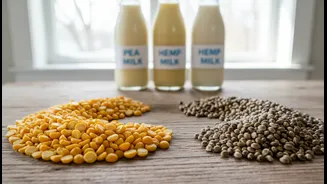
increase their intake through diet. This has created a gap in the market that lower-protein alternatives like almond or rice milk can't always fill. Brands are responding by launching high-protein versions of existing milks, but two newcomers, pea and hemp, are gaining attention precisely because of their naturally impressive protein content, which is often comparable to dairy milk.
Why Pea and Hemp are Gaining Ground
Pea milk, made from yellow split peas, is a nutritional powerhouse. It's not only rich in protein but also offers a creamy, neutral flavour, making it a versatile substitute in everything from coffee to cooking. For those with soy or nut allergies, it's an excellent, safe alternative. Hemp milk, derived from hemp seeds, also boasts a strong profile. While its protein content can be slightly lower than pea, it delivers complete proteins and a healthy dose of omega-3 fatty acids. Crucially, both are seen as highly sustainable crops. Peas are nitrogen-fixing legumes that improve soil health, while hemp requires relatively little water and pesticides to grow.
The 'Make in India' Opportunity
This is where the story gets interesting for India's economy. Unlike almonds, which have a significant water footprint and are not as widely cultivated for this purpose here, peas are a staple winter crop across many Indian states, including Uttar Pradesh, Madhya Pradesh, and Punjab. India is already one of the world's largest producers of peas. This presents a massive opportunity for plant-based food companies to source their main ingredient locally, reducing import dependency, cutting transportation costs, and creating a stable demand for farmers. This direct farm-to-company linkage can offer farmers better price stability for their produce.
Hemp's Budding Potential
Hemp's journey is a bit more complex but equally promising. For decades, its cultivation was heavily restricted. However, recent policy shifts are changing the landscape. States like Uttarakhand and Uttar Pradesh have legalized the cultivation of industrial hemp, provided the THC content remains below the legal threshold of 0.3%. This has opened the door for farmers in these regions to grow a valuable and eco-friendly crop. As the regulatory framework becomes clearer and more states potentially follow suit, a domestic supply chain for hemp seeds is becoming a reality, allowing Indian brands to develop and market locally-grown hemp products from scratch.
Challenges on the Road Ahead
Despite the immense potential, hurdles remain. For pea milk, the challenge lies in scaling up the specialised processing infrastructure needed to turn raw peas into a smooth, marketable liquid. For hemp, the primary obstacle is navigating the evolving legal landscape, which is still conditional and state-dependent. Public perception and distinguishing industrial hemp from its narcotic cousin is another key task for brands. Furthermore, the entire plant-based milk sector faces challenges with cold-chain logistics to reach smaller towns and ensuring products remain affordable for the average consumer. Success will depend on continued investment in agricultural technology, processing facilities, and clear, consistent government policies.