



The Genius of Smart Substitution
The secret to the incredible longevity of many Indian dishes isn't a rigid, unchanging recipe passed down through generations. In fact, it's the exact opposite. The true genius lies in their flexibility. Indian cuisine developed across a vast subcontinent
with diverse climates, agriculture, and local tastes. A dish could only survive if it was able to adapt. The core idea was never about having one specific, 'correct' ingredient, but about understanding a framework. Homemakers and cooks learned to substitute, improvise, and make the most of what was seasonal, affordable, and available. This principle of smart substitution is the thread that connects a simple village meal to a royal banquet, allowing the same fundamental dish to exist in a hundred different forms, each one authentic to its time and place.
Khichdi: The Blueprint for Adaptability
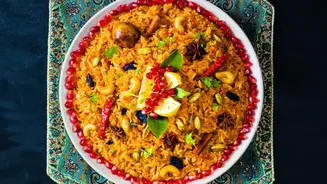
There is no better example of this principle than khichdi. With roots stretching back over 2,000 years, its name derived from the Sanskrit word 'khiccā' for a dish of rice and legumes, khichdi is the ultimate culinary chameleon. At its most basic, it is a simple, mushy combination of rice and moong dal, a nourishing meal for someone recovering from an illness. But this is just the starting point. In Gujarat, it becomes a richly spiced vaghareli khichdi. In Bengal, it is the savoury bhuna khichuri, often prepared during monsoons. In Karnataka, it evolves into the elaborate Bisi Bele Bath, loaded with vegetables and spices. The Mughals elevated it with expensive spices and dry fruits, fit for an emperor. From a humble meal to a celebratory feast, khichdi has endured because its core formula—grain plus lentil—is a canvas, not a cage. It bends to the occasion, the season, and the contents of the pantry, making it one of India’s most ancient and continuously eaten foods.
Dal: A Different Story in Every Bowl
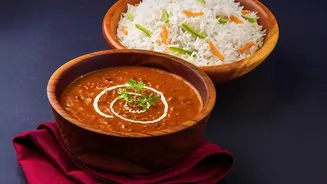
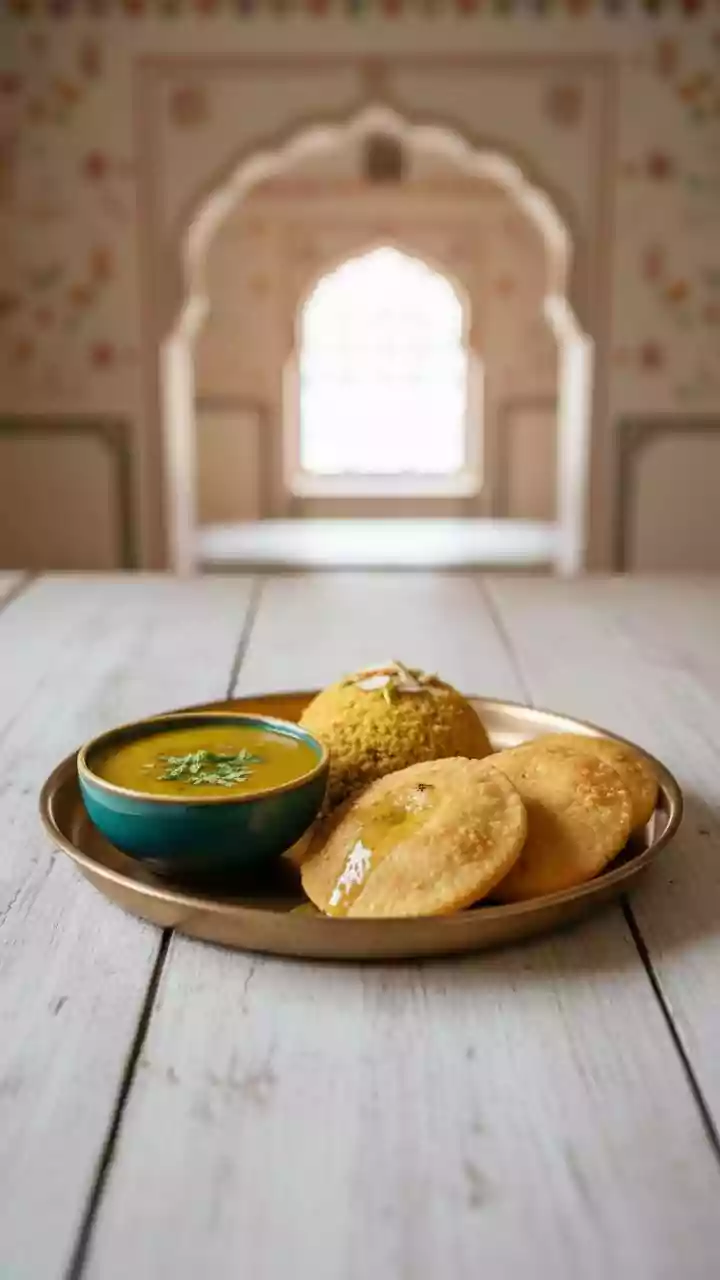
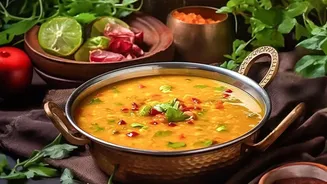
If khichdi is a single dish with many faces, dal is an entire library of stories. The word 'dal' itself, from a Sanskrit root meaning 'to split', refers to a vast family of lentils, beans, and peas that form the protein backbone of the nation. Each region tells its dal story differently. Travel to Punjab and you'll find the rich, slow-simmered Dal Makhani, a creamy and buttery dish made with whole urad dal and rajma. Head east to Bengal, and the festive cholar dal is sweet and nutty, often studded with coconut and raisins. In Gujarat, the everyday dal is a thin, sweet-and-sour preparation made with toor dal, jaggery, and kokum. Down south, toor dal forms the base of sambar, a tangy stew packed with vegetables and tamarind. Even the tempering, or tadka, changes dramatically from one kitchen to the next, using different combinations of spices and fats to create a unique signature. The choice of dal—from the quick-cooking masoor to the firm chana—dictates the final texture, proving that there is no single 'Indian dal', only a thousand delicious, regional interpretations.
Kheer: Sweetness in Many Forms
This flexibility isn't just limited to savoury dishes. The beloved dessert kheer, known as payasam in the South and payesh in Bengal, is another testament to adaptable ingredients. The name 'kheer' comes from the Sanskrit 'kshira', simply meaning milk. The oldest versions were likely made by boiling rice and milk, but today, the variations are endless. A classic rice kheer might use fragrant basmati, while Bengali payesh often calls for the aromatic Gobindobhog rice. But you don't even need rice. Kheer can be made with seviyan (vermicelli), sabudana (tapioca pearls), broken wheat, or even grated vegetables like carrots and lauki (bottle gourd). The sweetener can be sugar or the more rustic jaggery, and in some southern variations like ada pradhaman, coconut milk replaces dairy milk entirely. This ability to transform using different grains, vegetables, and sweeteners has allowed kheer to remain the quintessential dessert for celebrations and everyday comfort for centuries.