






The Voice-First Revolution
At the heart of this transformation is a technology called Automatic Speech Recognition (ASR). OpenAI’s Whisper model is a powerful example, trained on a massive and diverse dataset of multilingual audio from the web. This allows it to transcribe spoken
language into text with remarkable accuracy, even with background noise and different accents. Unlike earlier systems, modern AI like Whisper isn't just listening; it's understanding. This capability is moving voice interaction from a simple party trick to a core function of how we engage with technology, a shift that is particularly significant for India. The Indian voice AI market is projected to grow exponentially, with some estimates suggesting it could reach USD 1.82 billion by 2030, highlighting the massive commercial and social interest in these solutions.
A Perfect Fit for India’s Linguistic Mosaic
India's defining feature is its profound linguistic diversity, with 22 official languages and thousands of dialects. This complexity has historically been a challenge for text-based digital systems, which often default to English and leave a vast portion of the population behind. Voice technology offers a more natural and intuitive bridge. For millions of new internet users, especially in Tier 2, Tier 3, and rural areas, speaking is more comfortable than typing on a small screen or navigating English-first menus. This makes voice a powerful tool for inclusion, capable of breaking down barriers related to literacy and digital familiarity. Startups and major companies are recognising this, building voice-led solutions specifically for vernacular speakers and non-English audiences to drive the next wave of digital growth.
Transforming Business and Finance
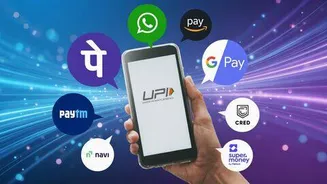
The implications for Indian businesses are enormous. In the banking, financial services, and insurance (BFSI) sector, voice AI is already being used for customer support, payment reminders, and policy renewals. The push for "Conversational Payments on UPI," backed by the NPCI and RBI, aims to allow users to conduct transactions simply by speaking, a feature that could bring millions more into the formal digital economy. This is especially crucial for financial inclusion, as it allows users with limited literacy to check balances, send money, or inquire about loans in their native tongue. Beyond finance, sectors from e-commerce to healthcare are leveraging voice to enhance customer engagement, automate processes, and gather insights from transcribed conversations.
Challenges on the Horizon
Despite the promise, the road ahead is not without obstacles. One of the biggest hurdles for any voice AI in India is the sheer variety of regional accents, dialects, and the common practice of 'code-switching'—mixing languages like Hindi and English in a single sentence. While models like Whisper are powerful, out-of-the-box versions can still struggle with the nuances of Indian speech, leading to higher error rates compared to models specifically fine-tuned on local data. Developers are actively working on this by training models on more extensive Indic datasets. Furthermore, concerns around data privacy and the security of voice biometrics must be addressed to build user trust, particularly for sensitive financial transactions.