


A Sweet Collision of Cultures
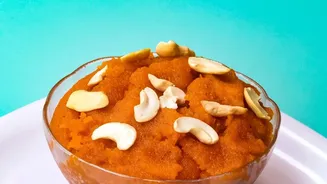
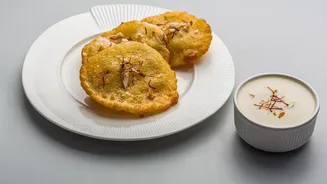
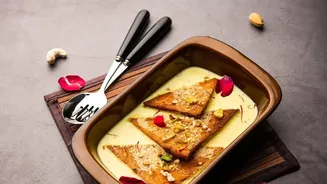
So, what exactly is Desi fusion baking? It's the creative and often spectacular collision of traditional South Asian flavours with the structures and techniques of Western baking. Think of the aromatic spices and beloved sweets from India, Pakistan, and Bangladesh—cardamom,
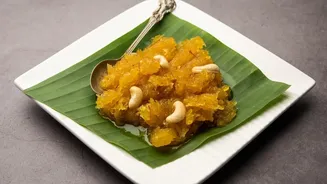
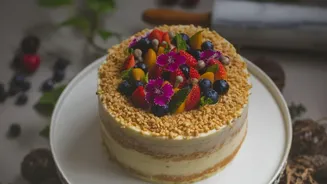
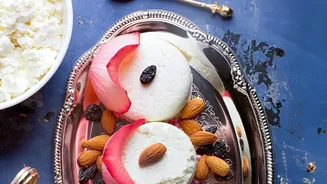
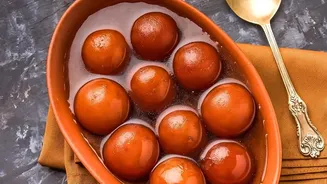
saffron, rosewater, gulab jamun, and rasmalai—reimagined in the form of cheesecakes, cupcakes, cookies, and tarts. This culinary movement is about more than just mixing ingredients; it's a celebration of cultural identity, blending nostalgic tastes with modern, global dessert formats. The result is a menu of exciting new creations, from Gulab Jamun Cheesecake to Rasmalai Tres Leches cake.
The Viral Stars of the Show
Certain desserts have become the undeniable heroes of this trend, going viral for their ingenuity and visual appeal. The Gulab Jamun Cheesecake is perhaps the most famous, embedding the syrupy, milky sweet into a creamy cheesecake base for a perfect balance of textures. Another crowd-pleaser is the Rasmalai Tres Leches, where a light sponge cake is soaked in a three-milk mixture infused with the delicate saffron and cardamom flavours of traditional rasmalai. But the creativity doesn't stop there. Bakers are churning out everything from Motichoor Ladoo Parfaits and Gajar Halwa Crumble Tarts to Chai-Spiced Crème Brûlée and Paan Panna Cotta, proving the possibilities are endless.
Why Is It Happening Now?
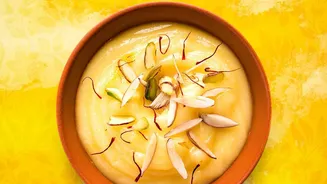
Several factors are fueling the rise of Desi fusion baking. For one, social media platforms like Instagram and TikTok have become global stages for culinary creativity. The visually stunning nature of these desserts—think golden syrup drizzles, vibrant saffron hues, and pistachio garnishes—makes them incredibly photogenic and shareable. This trend is also driven by a generation of chefs and home bakers from the South Asian diaspora who are looking to connect with their heritage in a new way. They grew up with these flavours and are now reinterpreting them with the techniques they've learned, creating desserts that speak to a modern, multicultural palate. It's a way to honour tradition while innovating for a global audience.
The Faces Behind the Flour
India's baking scene is filled with talented influencers who have built massive online communities around their creations. Figures like Pooja Dhingra, often called the 'Macaron Queen of India', and self-taught baker Shivesh Bhatia have turned their passion into a phenomenon, inspiring millions with their aesthetically pleasing and accessible recipes. Dhingra made Parisian-style pastries a mainstream desire in India, while Bhatia's journey from home baker to cookbook author shows the power of social media. These creators, along with many others, are not just sharing recipes; they are telling stories through food, making complex baking techniques feel achievable and inspiring countless others to experiment in their own kitchens.
More Than Just a Passing Trend
While some might dismiss it as a fleeting internet fad, Desi fusion baking has deeper cultural significance. It represents a delicious evolution, a way for classic flavours to find relevance in a contemporary world. These desserts bridge the gap between generations, appealing to those who cherish traditional mithai and younger audiences eager for something new and exciting. They fit seamlessly into festive occasions, café menus, and high-end dessert offerings, demonstrating a rare versatility. This movement is less of a trend and more of a culinary renaissance, proving that the heart of Indian sweets can beat strongly in new and unexpected forms.