





The Lure and Risk of Monsoon Travel
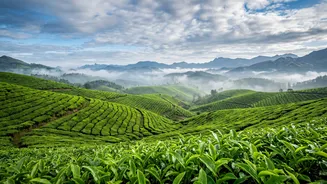
From the verdant hills of Munnar to the rain-washed coast of Goa, the monsoon season transforms India into a breathtaking spectacle. For many travellers, it's the ideal time to explore, offering a respite from the scorching summer heat and a chance to see
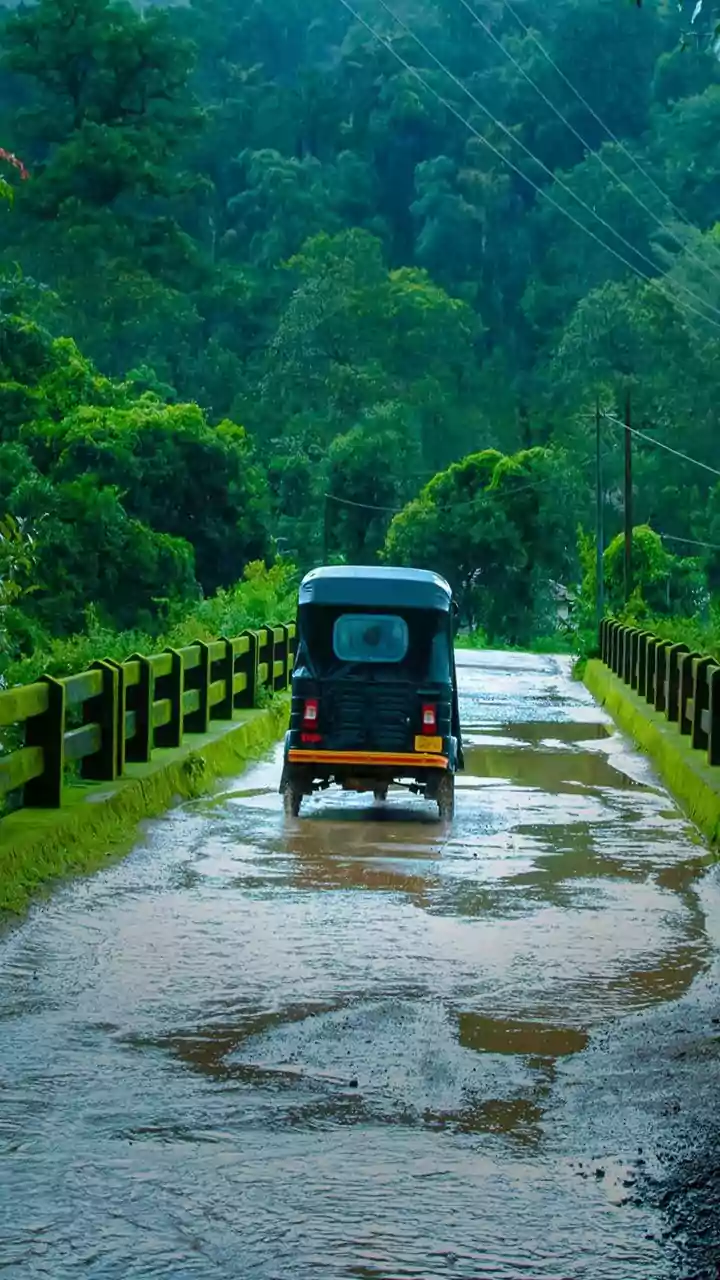
nature in full bloom. However, this season is also synonymous with travel disruptions. Heavy rainfall can lead to flight cancellations, train delays, landslides that block roads, and local flooding that can make destinations inaccessible or even hazardous. These weather-related events are not just minor inconveniences; they can have significant financial consequences if you’re left with non-refundable bookings for hotels and tours you can no longer use.
Why Standard Policies Often Miss the Mark
Many travellers assume that any travel insurance policy will cover them if bad weather strikes. This is a common and costly misconception. Standard trip cancellation benefits typically only kick in for a specific list of covered reasons. Simply cancelling a trip because the forecast looks dreary or a destination is experiencing persistent rain is usually not a valid reason for a claim. Furthermore, most policies have a crucial exclusion for “foreseeable events.” This means if you buy insurance after a cyclone or major storm has been officially named, any claim related to that storm will likely be denied. To be effective, the policy must be purchased before a weather event becomes a known threat.
Key Coverages for Weather Woes
To be properly protected, you need to look beyond the basics and focus on specific benefits. Trip Cancellation coverage reimburses your prepaid, non-refundable expenses if you have to cancel your trip before you depart for a covered reason, like your airline cancelling flights for more than 24 hours due to a storm. Trip Interruption coverage is similar but applies after your trip has started, reimbursing you for the unused portion of your trip and extra costs to get home if you have to cut it short. Another vital benefit is Travel Delay, which can cover expenses like meals and accommodation if your flight is delayed for a specified number of hours.
The 'Cancel for Any Reason' Advantage
For the highest level of flexibility, consider a 'Cancel for Any Reason' (CFAR) add-on. As the name suggests, this optional upgrade allows you to cancel your trip for any reason whatsoever—whether it's anxiety about the weather, a change of plans, or any other issue not covered by a standard policy. This is the ultimate safety net for rainy-season travel. However, it comes with conditions. You typically must purchase CFAR coverage within a short window (often 10-21 days) of your initial trip payment. This benefit also won’t reimburse your full loss; it usually covers between 50% to 75% of your non-refundable trip costs. While it's more expensive, the peace of mind it offers can be invaluable.
Beyond Cancellations: Health and Evacuation
Rainy season travel isn’t just about delays; it can also pose health risks, such as an increase in mosquito-borne illnesses like dengue and malaria. A robust travel insurance plan should include strong Emergency Medical coverage to handle any unexpected hospital bills, as many domestic health plans do not provide coverage abroad. Equally important is Medical Evacuation coverage. If you are in a remote area that gets cut off by a landslide or flood and you need urgent medical care, this benefit covers the potentially massive cost of transporting you to a better-equipped medical facility.
Reading the Fine Print
Before purchasing a policy, it's crucial to read the plan documents carefully. Look for terms like "inclement weather" to understand how the policy defines a covered weather event. Check the required length of a travel delay before benefits apply, as this can range from a few hours to more than 24. Also, verify if the policy covers scenarios like a mandatory evacuation order being issued for your destination or your resort becoming uninhabitable due to storm damage. Understanding these specifics will ensure the policy you choose matches the real-world risks of your monsoon adventure.