






The secret to a happy gut might just be hiding in your favourite traditional Indian breakfast. Many of these beloved morning meals are packed with soluble fibre, an unsung hero for digestive wellness that works wonders from the inside out.
What Exactly Is Soluble Fibre?
Fibre comes
in two main types: insoluble and soluble. While insoluble fibre adds bulk to stool and helps food pass more quickly through the digestive system, soluble fibre works differently. As its name suggests, it dissolves in water to form a gel-like substance in your digestive tract. This gel has several profound effects. It slows down digestion, which helps with the absorption of nutrients and creates a feeling of fullness, keeping you satisfied for longer. This process also helps stabilise blood sugar levels by slowing the absorption of sugar. Think of it as a sponge that gently moves through your system, regulating processes as it goes.
Your Gut's Best Friend
The benefits of soluble fibre go even deeper, directly impacting the health of your gut microbiome. This complex community of trillions of bacteria in your gut plays a crucial role in everything from digestion to immunity. Soluble fibre acts as a prebiotic, which is essentially food for these beneficial gut bacteria. When these good bacteria feast on fibre, they produce byproducts that help maintain a healthy gut lining and reduce inflammation. A breakfast rich in soluble fibre is one of the best ways to nourish this internal ecosystem, promoting regular bowel movements and overall digestive harmony.
The Fermented Breakfast Powerhouses
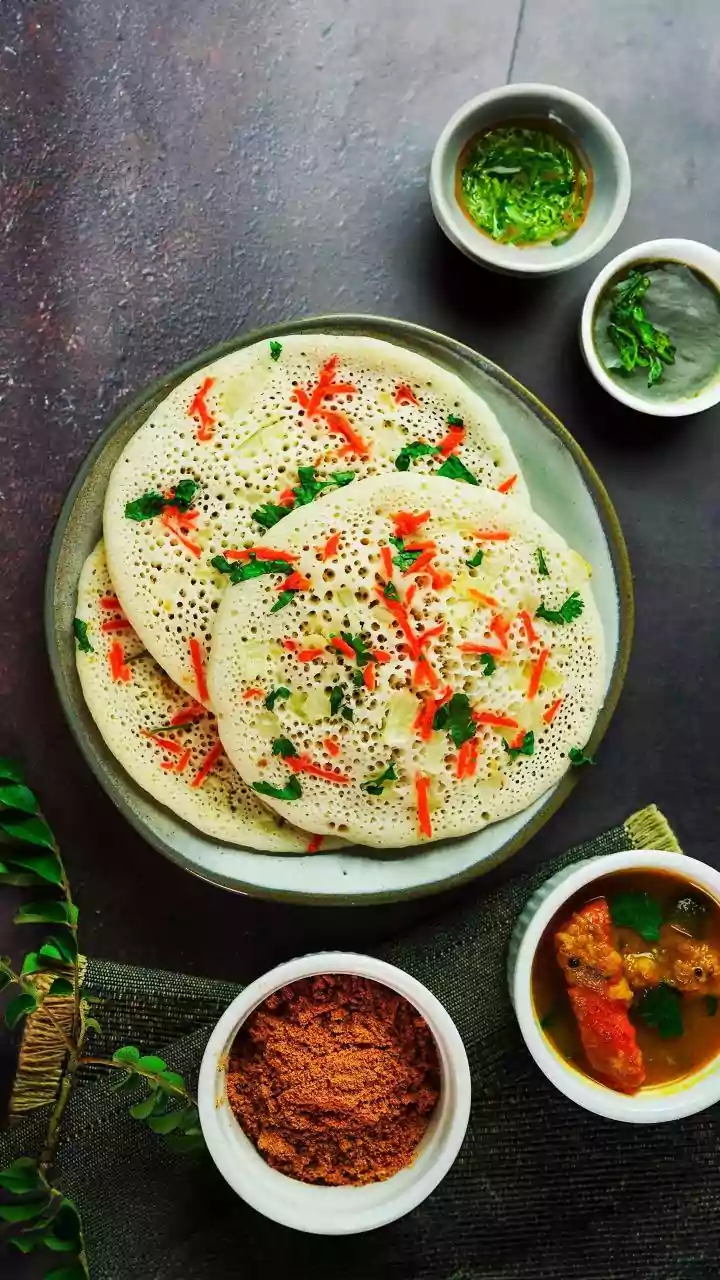
Many of South India’s most iconic breakfast dishes, such as idli and dosa, are nutritional champions largely due to their preparation method. Made from a fermented batter of rice and lentils (urad dal), these dishes are naturally rich in probiotics, the beneficial bacteria themselves. The fermentation process breaks down complex carbohydrates and anti-nutrients, making the food incredibly easy to digest and enhancing the body's ability to absorb minerals like iron and zinc. The combination of urad dal and rice provides a good amount of protein and, crucially, soluble fibre. A plate of soft, steamed idlis is gentle on the stomach and provides sustained energy, making it an ideal choice for starting your day.
The Humble Heroes: Poha and Upma
Poha (flattened rice) and upma (savoury semolina) are quick, comforting, and surprisingly effective for digestive health. While plain poha is light and easy to digest, its fibre content gets a major boost when cooked with vegetables like peas and carrots, and a handful of peanuts. These additions not only add fibre but also protein and healthy fats. Similarly, upma made from whole wheat rava (daliya) or millets like bajra is an excellent source of fibre. Cooking upma with plenty of vegetables turns it into a hearty, slow-release energy source that keeps you full and supports gut function. Masala oats, cooked in an upma style, are another fantastic option, as oats are particularly high in a type of soluble fibre called beta-glucan, known for its health benefits.
Don't Forget the Lentils and Millets
Lentil-based pancakes like moong dal chilla or besan chilla are another stellar choice for a high_fibre breakfast. Moong dal is especially easy on the digestive system, and when made into a chilla with added vegetables like spinach or grated carrots, it becomes a powerhouse of protein and fibre. Millets are also making a well_deserved comeback. Grains like ragi (finger millet) are exceptionally high in dietary fibre compared to white rice. Preparing dosa or idli with ragi flour instead of rice significantly increases the fibre content, offering a dual benefit of fibre and probiotics from fermentation.