





Spain's Strength: The Midfield Engine and Wing Wizards
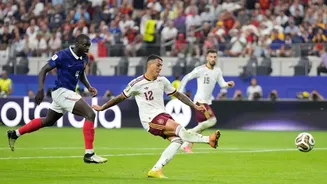
Under coach Luis de la Fuente, Spain have evolved. While their DNA remains rooted in possession and technical control, this is not the sterile dominance of old. The key is the midfield axis of Rodri and Pedri. Rodri, the team's captain and the 2024 Ballon
d'Or winner, acts as the metronome, providing stability, controlling tempo, and shielding the defense. His composure allows creative players like Pedri to find pockets of space and link play. However, the real game-changer for this iteration of La Roja is the explosive threat on the wings. Lamine Yamal and Nico Williams provide a directness and 1v1 danger that Spain have lacked in previous tournaments. Their blistering pace stretches defenses, creating space centrally and turning controlled possession into purposeful, vertical attacks. This blend of methodical buildup and incisive wing play makes Spain incredibly difficult to contain.
Spain's Weakness: Striker Reliability and Defensive Frailty
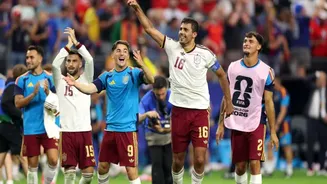
For all their midfield control and wide threats, a recurring question haunts Spain: who guarantees the goals? The team has at times struggled to convert territorial dominance into a clinical edge, lacking a truly reliable world-class No. 9. While Mikel Oyarzabal has been effective, there is a sense that they can be wasteful. Defensively, while they maintain a solid structure and an aggressive counter-press, they can be vulnerable. The system requires a high defensive line, and against teams with elite pace in transition, the space left behind the advancing full-backs can be exploited. A single, swift counter-attack can undo 80 minutes of Spanish dominance, a potential Achilles' heel in the high-stakes environment of a World Cup knockout match.
Argentina's Strength: Tactical Flexibility and Winning Mentality
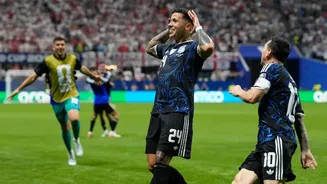
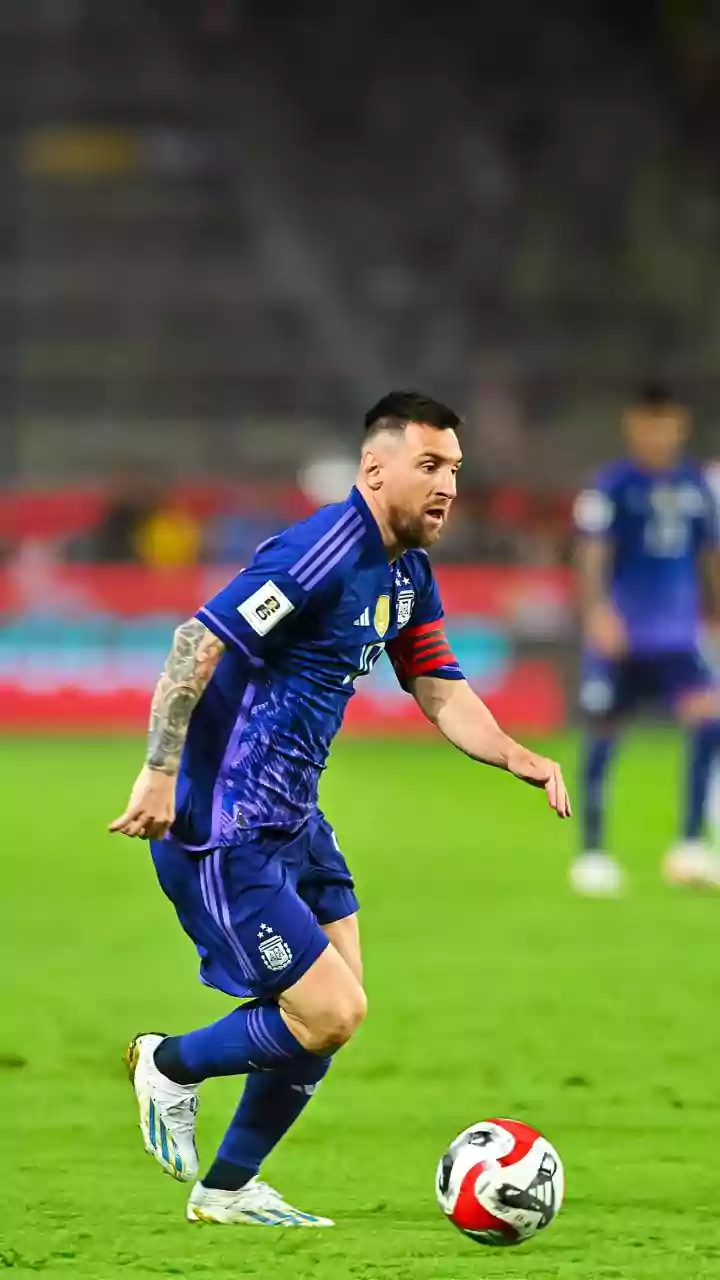
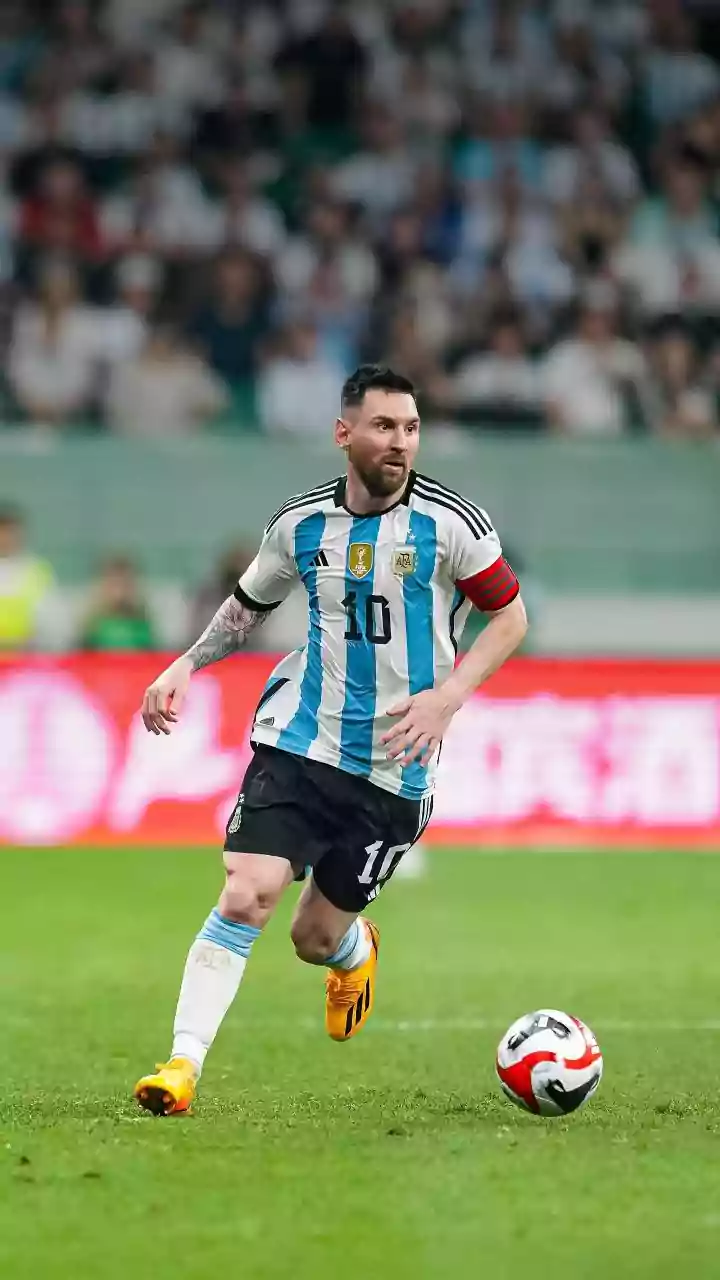
The reigning world champions, led by Lionel Scaloni, are a testament to tactical intelligence and sheer will to win. Scaloni has built one of the most complete and adaptable teams in international football, capable of shifting formations and approaches mid-game. They can dominate the ball with their technical midfield trio of Enzo Fernández, Alexis Mac Allister, and the relentless Rodrigo De Paul, or they can sit in a compact block and strike with lethal pace on the counter. This pragmatism is their greatest asset. In attack, the depth is formidable. While the 39-year-old Lionel Messi remains the creative heartbeat, his role has evolved. He conserves energy, picking his moments to deliver game-changing passes to the likes of Julián Álvarez and Lautaro Martínez, who provide the energy and penalty-box threat.
Argentina's Weakness: An Aging Core and Messi Dependence
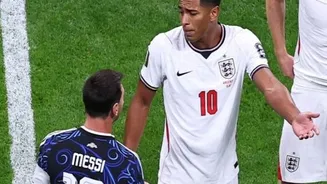
While experience is a strength, it can also be a vulnerability. Several key players from the 2022 triumph are now deeper into their thirties, raising questions about their ability to sustain peak physical condition over a long tournament. Their biggest weakness, however, remains a subtle over-reliance on their captain. While the team is no longer solely dependent on Messi for every action, in tight knockout games, the psychological and tactical focus invariably shifts to him. As seen in tense matches during this tournament, if opponents can successfully isolate him, Argentina's attack can sometimes lack a clear alternative plan, becoming predictable. Furthermore, their defensive line has shown vulnerability to direct pace, an area that fast wingers like Spain's could look to exploit.
The Deciding Factors: A Clash of Philosophies
A potential matchup between these two giants would be a fascinating tactical chess match. It pits Luis de la Fuente's structured positional play against Lionel Scaloni's adaptive pragmatism. The key battle would likely be fought in midfield. Can Spain's possession game, orchestrated by Rodri, starve Argentina's engine room of the ball? Or will the tireless pressing of De Paul and company disrupt Spain's rhythm and force errors? The duel on the flanks will be equally crucial. Yamal and Williams running at Argentina's back line is a frightening prospect for La Albiceleste. Conversely, if Argentina can win the ball and release their forwards into the space behind Spain's high line, they have the clinical finishers to punish them. It is a contest between a team built to control every phase of the game and a team built to win, no matter the circumstances.