






From Saris to Silhouettes
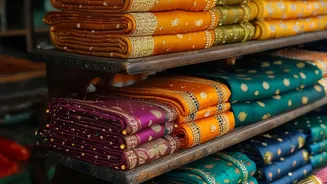
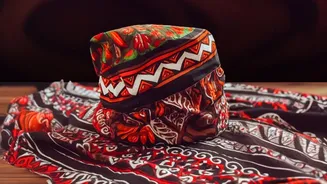
For generations, handloom fabrics like Khadi, Ikat, and Chanderi were synonymous with traditional wear, often reserved for special occasions. But today’s fashion narrative is undergoing a radical shift. Imagine a classic Ikat pattern on a bomber jacket,
or breathable Khadi cotton tailored into relaxed-fit joggers. This is the essence of handloom streetwear, a movement that pulls heritage textiles out of the cupboard and onto the street, blending centuries-old weaving techniques with the oversized, relaxed silhouettes of global street fashion. It’s a style that champions comfort and cultural pride, proving that handloom is not just for saris and kurtas anymore but can be the foundation of a modern, everyday wardrobe.
The Tier 2 Advantage
While major metropolitan hubs have long dominated India's fashion scene, designers from cities like Hyderabad, Jaipur, and Lucknow are now at the forefront of this trend. This is no accident. These labels often operate closer to the artisan clusters in states like West Bengal, Gujarat, and Telangana, fostering direct collaboration with weavers. By cutting out intermediaries and working directly with craft communities, these brands can develop unique fabrics from scratch, specifying everything from the thread count to the colour palette. This proximity not only ensures authenticity but also helps make handloom more accessible and affordable, a key factor in moving it from occasional wear to an everyday choice. Furthermore, lower overheads and a unique design perspective allow these Tier 2 labels to experiment and innovate freely.
Weaving a More Sustainable Future
This trend is about more than just aesthetics; it's about creating sustainable livelihoods. For millions of artisans, handloom is not just a craft but a way of life, and the collaboration with fashion labels provides a vital source of income. By choosing to work with handcrafted textiles, designers help preserve ancient art forms like Jamdani weaving or block printing that might otherwise be lost to mechanisation. These partnerships often ensure fair wages and empower artisan communities, particularly women, by providing financial independence. The process itself is inherently sustainable; handloom weaving has a minimal carbon footprint, uses natural fibres, and involves eco-friendly practices that stand in stark contrast to the wastefulness of fast fashion.
Style That Tells a Story
The rise of handloom streetwear is also being fuelled by a major shift in consumer mindset, especially among Gen Z and millennials. Today’s shoppers are looking for more than just a trend; they crave authenticity and a connection to their roots. They want to know the story behind their clothes—who made them and how. Handloom garments deliver this in spades. Each piece carries the imprint of its maker, with subtle irregularities that are a mark of human touch, not a flaw. This narrative of traceability and ethical production resonates deeply with a generation that values sustainability and personal identity. Wearing an Ikat jacket or a Khadi hoodie becomes a statement of style with substance, a way to look good while supporting a more conscious and equitable fashion industry.