




Understanding Roughage: Your Digestive Ally
Dietary fibre, often called roughage, is a type of carbohydrate found in plant-based foods like fruits, vegetables, grains, and legumes. Unlike other carbs, your body can't easily digest it. This is precisely what makes it so beneficial. There are two
main types: soluble and insoluble fibre. Soluble fibre dissolves in water to form a gel-like substance, which can help lower cholesterol and regulate blood sugar. Insoluble fibre adds bulk to stool, promoting regular bowel movements and preventing constipation. Most plant foods contain a mix of both, and a healthy diet should include plenty of each.
The Powerful Health Perks of Fibre
A high-fibre diet is linked to a significantly lower risk of developing chronic conditions like heart disease, stroke, type 2 diabetes, and certain cancers. By slowing digestion, fibre helps you feel full for longer, which can aid in weight management. It also plays a crucial role in maintaining a healthy gut microbiome, as it feeds the beneficial bacteria in your digestive system. For individuals with diabetes, fibre can help slow the absorption of sugar and improve blood sugar control. The Indian Council of Medical Research (ICMR) suggests adults should aim for about 25-40 grams of fibre daily, though many urban Indians currently consume less than half that amount.
Swap Your Grains, Not Your Meals
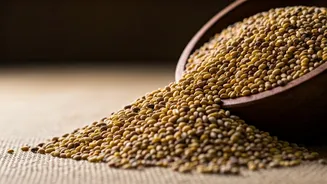
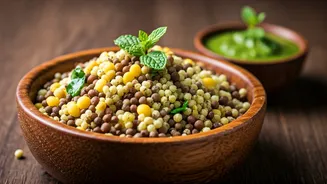
One of the simplest ways to increase your fibre intake is by choosing whole grains over refined ones. Traditional Indian millets like jowar (sorghum), bajra (pearl millet), and ragi (finger millet) are excellent sources of fibre. Instead of white rice for every meal, try incorporating brown rice, which retains its fibre-rich bran layer. When making rotis or parathas, use whole wheat atta (and don't sieve it) or a multigrain flour blend. These small swaps don't require you to learn new recipes but can significantly boost the fibre content of your daily meals.
Embrace Dals, Legumes, and Sabzis
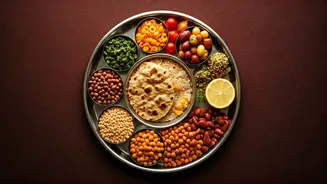
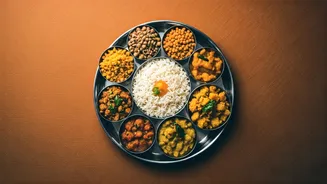
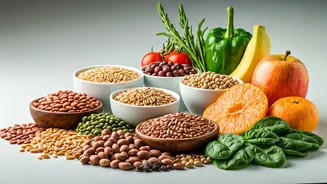
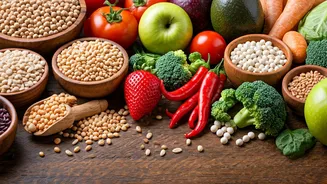
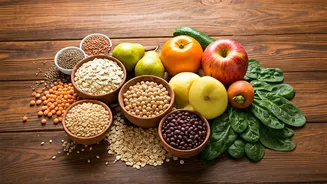
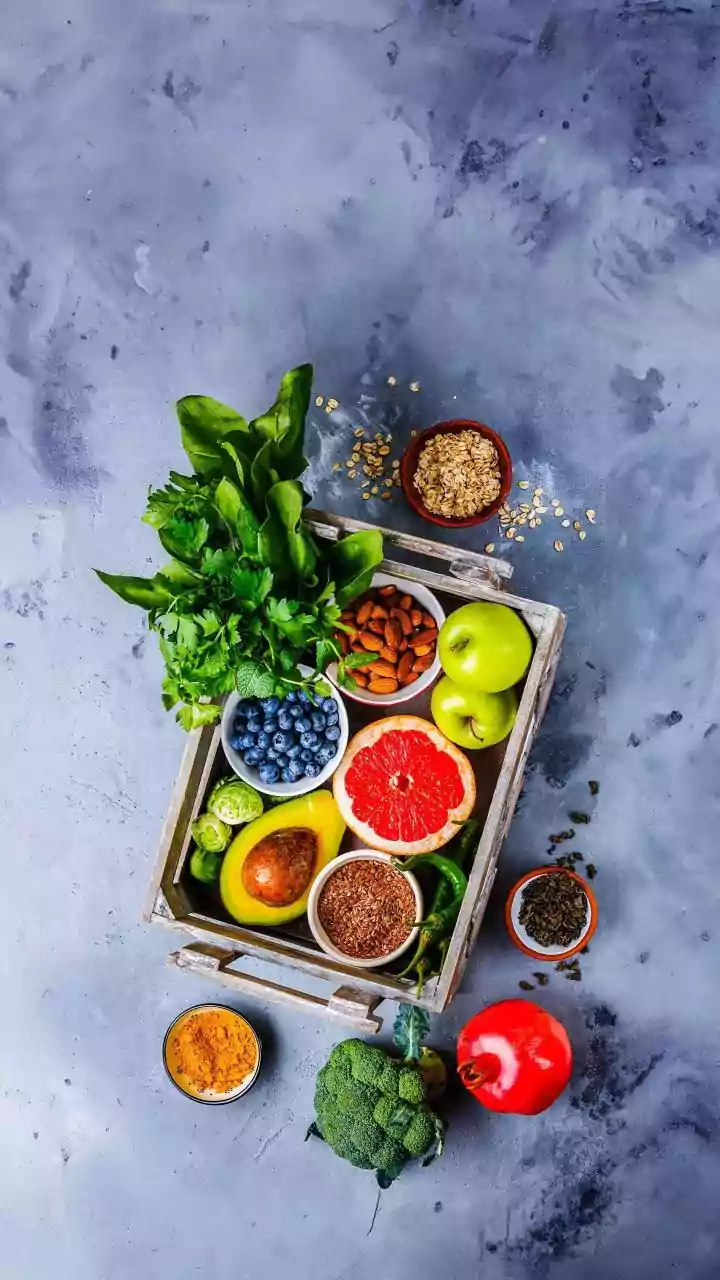
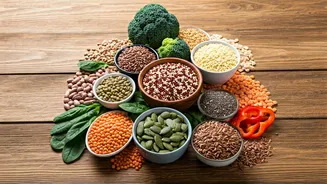
Indian cuisine is naturally rich in fibre powerhouses: dals and legumes. A single serving of rajma (kidney beans), chana (chickpeas), or moong dal can provide a substantial amount of your daily fibre needs. Aim to include a dal or legume dish with at least one of your main meals each day. Furthermore, fill half of your plate with vegetables. Leafy greens like spinach and methi, as well as vegetables like bhindi (okra), beans, and carrots, are all fantastic sources. Eating a variety of colourful vegetables ensures you get a wide range of nutrients alongside your fibre.
Rethink Your Fruits and Snacks
Instead of reaching for packaged snacks, opt for whole fruits. Fruits like guava, apples, papayas, and bananas are packed with fibre. Whenever possible, eat the fruit with its skin on, as that’s where much of the fibre is located. Trading fruit juice for a whole fruit is a simple but effective upgrade. For savoury snacks, a handful of unsalted nuts, roasted chana, or a bowl of sprouts chaat can provide a satisfying and fibre-filled crunch. Sprinkling seeds like flax, chia, or sesame onto dahi, salads, or porridges is another effortless way to add more roughage.