






Start at the Source: Paw and Fur Care
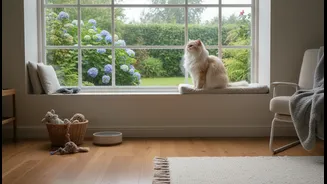
Even indoor cats can't entirely escape the monsoon's dampness, whether from a venturesome moment on the balcony or simply absorbing the ambient humidity. This makes their paws and fur prime targets for issues. Get into the habit of wiping your cat’s paws with
a dry, clean cloth. If their fur feels damp, a quick towel-dry is essential to prevent the moisture from sitting on their skin, which can lead to fungal infections. Regular brushing becomes even more critical during this season. It helps prevent matting, improves air circulation to the skin, and allows you to check for ticks and fleas, which thrive in humid conditions.
Battle the Damp: Managing Home Humidity
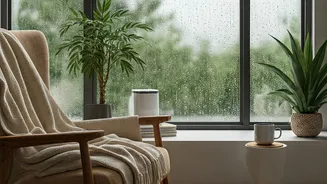
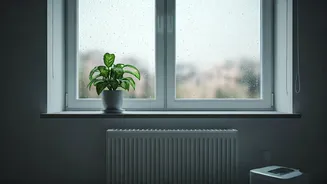
The single biggest challenge during the rainy season is the pervasive humidity, which makes everything feel damp and encourages the growth of mould and mildew. This affects your cat’s comfort and health. Ensure their favourite sleeping spots and bedding are kept completely dry. Wash their blankets and beds more frequently with a pet-friendly disinfectant and, when the sun makes a rare appearance, air everything out thoroughly. Good ventilation is key to preventing respiratory issues in cats. If your home feels particularly damp, using a dehumidifier in the room where your cat spends the most time can make a significant difference.
Rethink the Litter Box Strategy
High humidity wreaks havoc on litter boxes. The moisture in the air can make clumping litter less effective and amplify ammonia smells, creating an environment that is unpleasant for you and potentially off-putting for your cat. You may find you need to scoop more frequently—perhaps twice a day—to keep odours under control. Some experts suggest that non-clumping litter might perform better in very humid climates as it isn't designed to absorb ambient moisture. Regardless of the type, ensuring the litter box is in a well-ventilated area and performing full, deep cleans more often will help keep it fresh and hygienic.
Vigilance Against Invisible Threats
The monsoon is peak season for parasites and infections. The damp, warm environment is a perfect breeding ground for fleas, ticks, and fungi. Even if your cat stays indoors, these pests can be tracked in on shoes and clothing. Adhere strictly to your vet-recommended flea and tick prevention schedule. Be watchful for signs of skin trouble, such as excessive scratching, redness, hair loss, or flaky patches, which could indicate a fungal infection. Keeping your cat’s immune system strong with a balanced diet is also a crucial preventative measure during this challenging season.
Food and Water Hygiene
Humidity doesn't just affect bedding and litter; it can also impact your cat's food and water. Dry food can absorb moisture from the air, potentially leading to spoilage or mould growth. Store kibble in airtight containers rather than the original bag. Wet food should not be left out for long periods, as it can spoil even faster in damp weather. Also, ensure your cat’s drinking water is always fresh. Some vets recommend providing boiled and cooled water during the monsoon to avoid any risk from waterborne contaminants. Regularly wash food and water bowls to prevent bacterial buildup.