



The Unsung Hero: What is Fibre?
Before it became a wellness buzzword, fibre was simply a natural part of our daily meals. Found abundantly in plant-based foods, dietary fibre is a type of carbohydrate the body can't digest. This is a good thing. It adds bulk, which helps keep our digestive
system running smoothly and promotes a feeling of fullness, stopping us from overeating. There are two types: soluble fibre, which dissolves in water to form a gel-like substance that can help lower cholesterol and blood sugar, and insoluble fibre, which aids regularity. A high-fibre diet is linked to numerous health benefits, including better gut health, weight management, and a reduced risk of chronic diseases.
India’s Everyday Fibre Champions
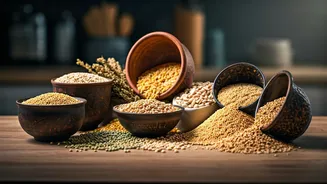
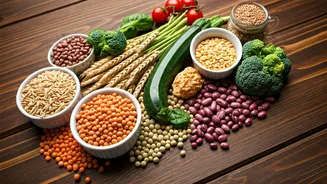
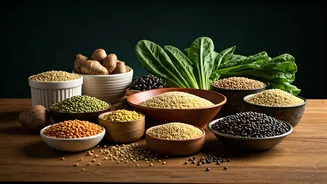
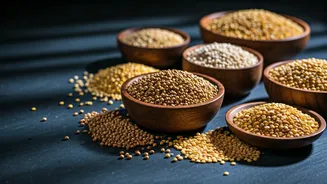
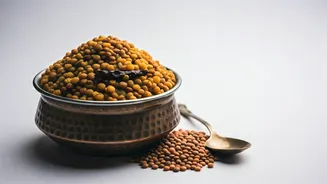
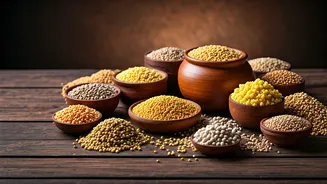
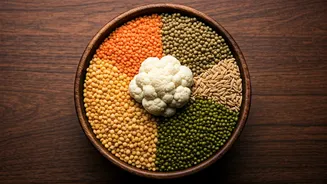
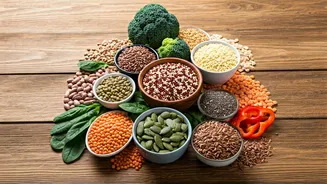
You don't need to look for exotic superfoods; the Indian pantry is a treasure trove of fibre. The heart of our cuisine lies in its dals and legumes — from masoor and chana to rajma. These are powerhouses of both protein and soluble fibre. Then there are our ancient grains. Millets like jowar, bajra, and ragi, used to make everything from rotis to khichdi, are packed with fibre and nutrients. Even a simple switch from white rice to brown rice significantly boosts fibre intake. And let’s not forget our vegetables. A colourful sabzi made with bhindi, spinach, or carrots isn't just for flavour; it’s a vital source of fibre that has been part of our plates for generations.
The Wisdom of the Thali
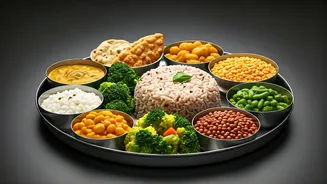
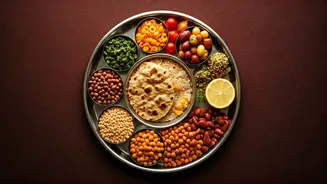
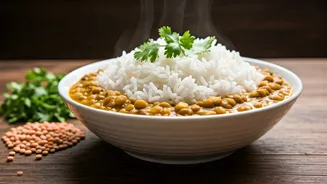
Indian food is about synergy, not single ingredients. The traditional thali is a masterclass in balanced nutrition. A typical meal isn't just one thing; it's a combination of whole-grain roti or rice, a protein-rich dal, a vegetable dish (sabzi), and often a side of curd (dahi). This isn’t by accident. This structure ensures you get a mix of carbohydrates, proteins, fats, and, crucially, a high dose of fibre from multiple sources in a single meal. This combination provides sustained energy, supports a healthy gut microbiome, and promotes satiety far better than any single 'diet' food could. It’s a holistic approach that nourishes the body completely.
Beyond the 'Diet Drama'
Modern diet culture often creates villains out of staple foods, telling us to cut carbs, avoid rice, or give up roti. This advice frequently ignores the cultural context and nutritional science behind traditional eating patterns. Many nutritionists now advocate for a return to these roots, arguing that home-cooked Indian meals are inherently balanced. Being told to swap your dal-chawal for quinoa salad can be frustrating and unsustainable because it dismisses generations of food wisdom. The 'drama' of dieting — the restrictions, the guilt, the constant search for the next 'miracle' food — is unnecessary when our own cuisine offers a time-tested, delicious, and healthy way of eating.
A Delicious Return to Roots
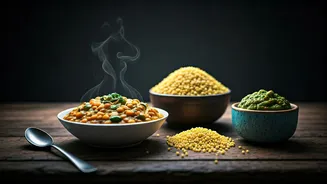
The recent resurgence in the popularity of millets is a perfect example of this cultural rediscovery. Once dismissed as humble grains, millets are now celebrated for their impressive health benefits, including being gluten-free, low on the glycemic index, and rich in fibre. This isn't a new trend but a return to what our ancestors already knew. By incorporating more millets like ragi and jowar back into our diets, we are not just embracing a healthier grain; we are reclaiming a piece of our culinary heritage that is both sustainable and deeply nourishing. It's a powerful move away from processed foods and back towards whole, natural ingredients.