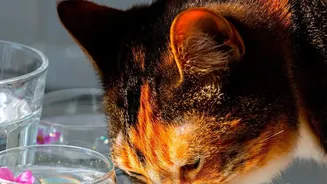









Why Routine Rules Your Pet's World
For dogs and cats, predictability is comfort. A consistent feeding schedule does more than just satisfy hunger; it regulates their entire system. Their bodies have internal clocks, known as circadian rhythms, that control digestion and metabolism. When
meals arrive at the same time each day, their digestive system prepares to efficiently process the food, ensuring maximum nutrient absorption. Irregular feeding can throw this system into chaos, leading to digestive upset like bloating or diarrhoea. Beyond the physical, a reliable routine provides a sense of security. Knowing when to expect their next meal reduces anxiety, which can curb stress-related behaviours like excessive barking or destructive chewing. A sudden change in appetite is also one of the clearest signs of a potential health issue, something that's much easier to spot when your pet is on a fixed schedule.
The Late Workday Dilemma
Long commutes and unexpected overtime are common realities, but your pet's stomach doesn't run on your work calendar. Leaving them to wait hours past their dinner time can cause significant stress and hunger. Fortunately, modern solutions can bridge the gap. An automatic pet feeder is a game-changer for busy professionals. These devices can be programmed to dispense a specific portion of food at set times, ensuring your pet is fed on schedule even when you're stuck in traffic. Basic models are affordable and effective, while smart versions allow you to control feeding times from an app on your phone. If a feeder isn't right for you, consider arranging for a trusted neighbour, friend, or a professional pet sitter to stop by. This not only covers mealtime but also provides a welcome bit of social interaction for your pet during a long day alone.
Navigating Visitors and Festivities
Having guests over can be a joyous occasion for you, but for a pet, it can be a whirlwind of new faces, sounds, and smells that disrupts their safe space. This is especially true during mealtimes. It's crucial to establish clear rules for your guests from the start. Politely ask them not to feed your pet any table scraps, no matter how persuasively they beg. Many human foods are unhealthy or even toxic to animals, and unplanned treats can lead to an upset stomach. To avoid chaos and competition, feed your pet in a separate, quiet room away from the main gathering. This gives them a peaceful space to eat without feeling overwhelmed or having to guard their food. Maintaining their regular feeding time as closely as possible amidst the festivities will provide a comforting anchor in an otherwise disruptive day.
Building a Flexible Yet Firm Plan
While consistency is key, life is rarely perfect. The goal is to create a resilient routine that can handle minor disruptions. Instead of a rigid, to-the-minute schedule, think in terms of a feeding window—for example, breakfast between 7 and 8 AM. This gives you a bit of flexibility without straying too far from the routine. For days when you know you'll be late, you can plan ahead. One strategy is to split their meal; give them a smaller portion before you leave and the rest when you get home. Another great tool is an enrichment toy, like a puzzle feeder or a snuffle mat. These require your pet to work for their food, slowing down their eating and turning mealtime into a stimulating mental exercise. This can be a great way to keep them occupied and make their meal last longer if you’re running a little behind schedule.