



From Dream to Desk
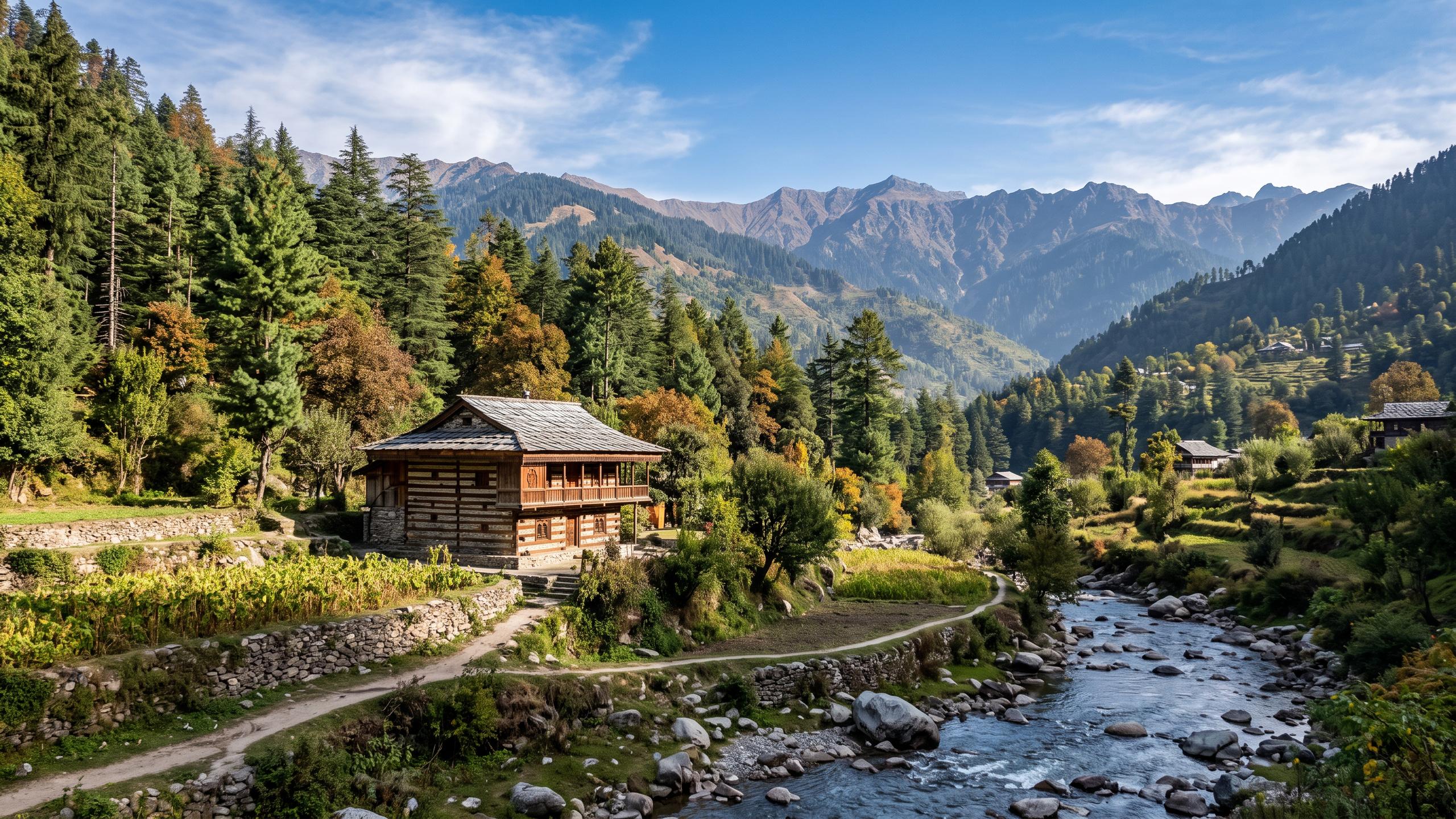
For years, the idea of a 'workation' in the mountains was more of a romantic notion than a feasible plan. The primary obstacles were predictable: unreliable internet, frequent power cuts, and a lack of proper workspaces. However, Jibhi, a tranquil village
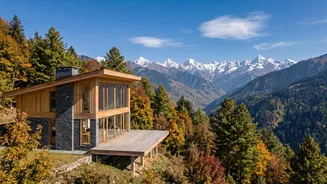
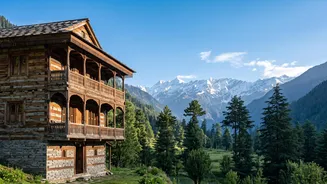
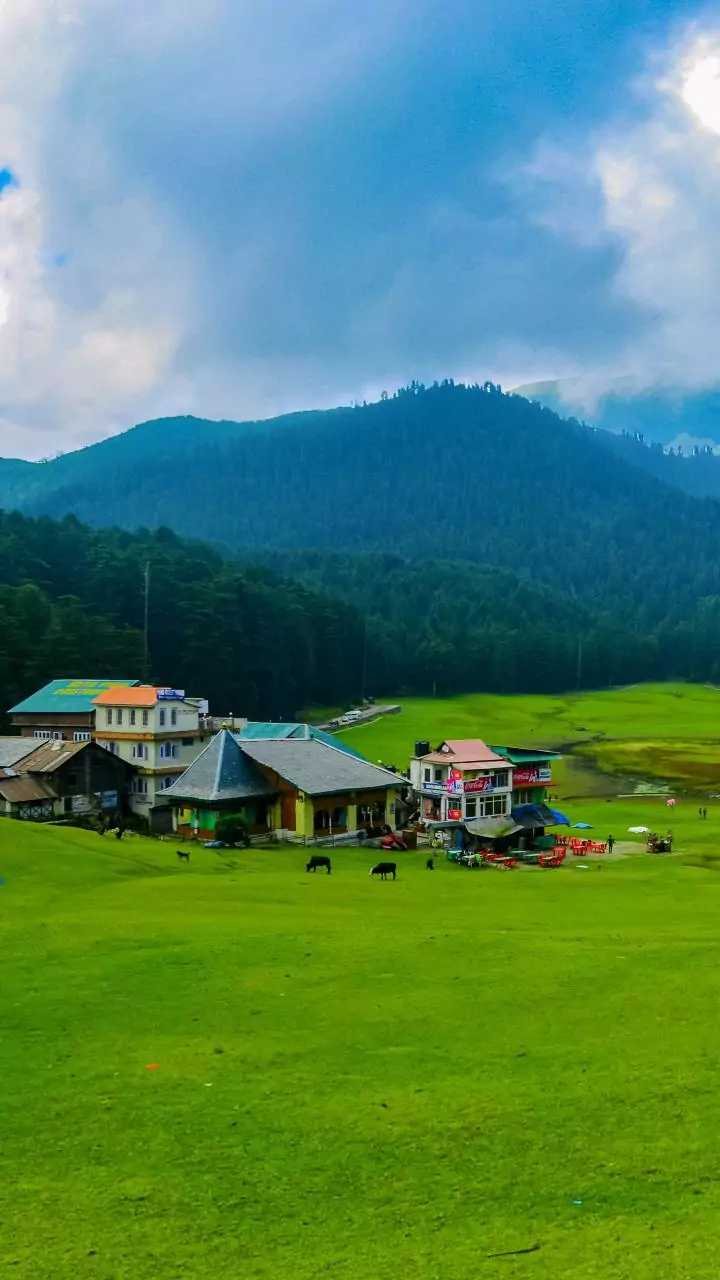
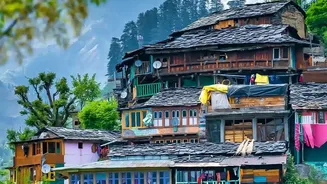
in Himachal Pradesh's Banjar Valley, is rapidly changing this narrative. Once considered a destination for unplugging, it's now a hub for plugging in. A growing number of homestays, hostels, and dedicated co-living properties have recognised the needs of India's burgeoning remote workforce, offering the infrastructure required for genuine productivity amidst natural splendour. The focus is no longer just on providing a bed, but on creating an environment where deep work is not only possible, but natural.
The Connectivity Question Answered
The single biggest concern for any remote professional is internet stability. Jibhi's co-living and work-friendly stays have tackled this head-on. Many properties now offer dedicated fibre broadband connections, with speeds often ranging from 50 to 150 Mbps, which is more than sufficient for video calls, cloud-based tasks, and large file transfers. While mobile connectivity from providers like Jio can be patchy in the valley, Airtel and BSNL are generally more reliable for personal hotspots. Smart hosts understand that 'having WiFi' isn't enough; the real assurance comes from stable, high-speed broadband, a feature that distinguishes a true workation property from a standard holiday rental.
Powering Through Outages
Power cuts are a known reality in the Himalayas, especially during periods of rough weather. A dropped call mid-presentation or an unsaved document can quickly sour the mountain work experience. To counter this, reliable power backup has become a non-negotiable amenity for serious co-living spaces in Jibhi. Most work-focused properties are equipped with inverters or generators that can support essential devices like laptops and routers for several hours, and sometimes even days on a light load. This crucial feature ensures that a grid outage becomes a minor inconvenience rather than a full-blown work crisis, allowing professionals to meet their deadlines without interruption.
Why Autumn is the Golden Season
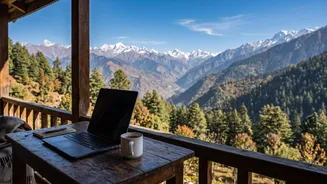
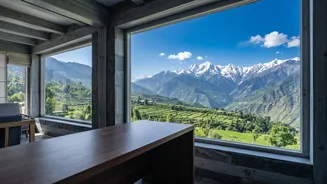
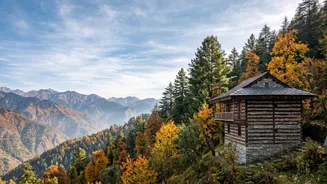
While Jibhi is accessible for most of the year, autumn is widely considered the prime season for a workation. The period from late September to November offers a perfect blend of factors. The monsoon rains have passed, leaving behind crystal-clear skies and stable road conditions. The tourist crowds of summer have thinned, creating a quieter, more focused atmosphere. Daytime temperatures are pleasant and crisp, while the valley's foliage transforms into stunning shades of gold and orange, offering an inspiring backdrop for breaks. This post-monsoon clarity provides some of the best mountain visibility of the year, making every glance out the window a reward.
Beyond the Basics: Community and Comfort
What elevates the Jibhi experience from merely working remotely to true co-living is the sense of community. Many hostels and homestays facilitate interaction through shared spaces like in-house cafes, common rooms with traditional 'bukhari' heaters, and organised activities like sunset walks, jam sessions, and community dinners. These spaces provide not just a desk, but a network of like-minded professionals from across the country. Furthermore, amenities like laundry services, housekeeping, and home-cooked meals mean that residents can spend less time on daily chores and more time on their work and well-being. The result is a holistic environment that supports both productivity and personal connection, combating the isolation that can sometimes accompany a nomadic lifestyle.