




Why Your Diet Matters in Monsoon
The shift in weather during the monsoon can make the body more vulnerable to infections. High humidity and moisture create a breeding ground for bacteria and viruses. According to Ayurveda, the digestive fire, or 'Agni', weakens during this season, known
as Varsha Ritu. This can lead to issues like bloating and indigestion. Therefore, focusing on warm, light, and freshly cooked meals is traditionally recommended to support both digestion and immunity.
Embrace Light and Warming Grains
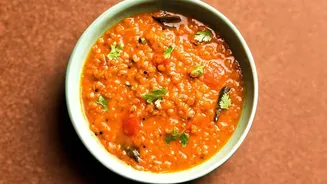
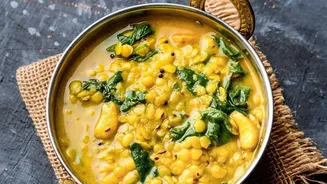
Heavy grains can be hard on a sluggish digestive system. This is the perfect season to turn to lighter alternatives. Ancient millets like jowar and bajra are excellent choices, often prepared as rotis or porridge. Barley (jau) and corn (bhutta) are also highly recommended. Roasted corn, seasoned with salt, chilli, and lemon, is a quintessential healthy monsoon snack across India. The ultimate comfort food for this season is khichdi, a simple dish of rice and moong dal. Moong dal is one of the most easily digestible lentils, making khichdi a perfect, nourishing meal that is gentle on the stomach.
Opt for Cooked and Seasonal Vegetables
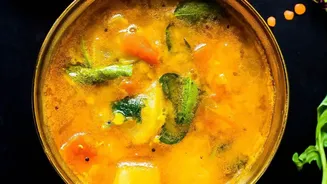
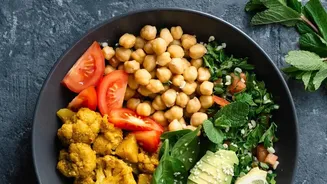
While vegetables are crucial, how you consume them matters. Raw salads should be limited, as they can harbour germs and are harder to digest during this season. It's best to eat steamed or cooked vegetables. Seasonal gourds like bottle gourd (lauki), ridge gourd (turai), and bitter gourd (karela) are ideal choices as they are light and easy on the stomach. Vegetables that grow above ground are generally considered safer. Root vegetables like carrots and beetroot are also good options. Thoroughly washing all produce before cooking is essential to remove dirt and microbes.
Choose Your Fruits Wisely
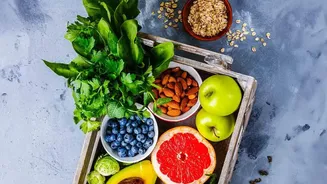
Fruits are a great source of vitamins, especially Vitamin C, which is vital for immunity. Seasonal fruits like jamun, pomegranate, pears, apples, and papaya are excellent choices. Jamun, an iconic monsoon fruit, is packed with antioxidants. Pears and pomegranates are also rich in nutrients and easy to digest. It's often advised to avoid fruits with very high water content, like watermelon, as they can sometimes cause bloating. Always opt for whole fruits over pre-cut platters or juices from street vendors to avoid contamination.
Harness the Power of Spices and Herbs
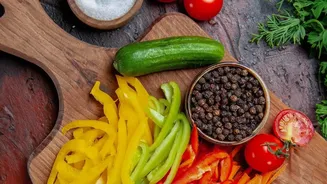
Indian kitchens are treasure troves of spices that have powerful health benefits. Ginger, garlic, and turmeric are monsoon must-haves for their anti-inflammatory and antibacterial properties, which help boost immunity. Ginger is particularly effective in aiding digestion and relieving sore throats. Turmeric's active compound, curcumin, is a potent antioxidant. Other beneficial spices include black pepper, cumin, and cinnamon, which not only add warmth and flavour but also support a healthy digestive system. Warm herbal teas made with tulsi, ginger, or cinnamon are comforting and help keep infections at bay.
Foods to Be Cautious About
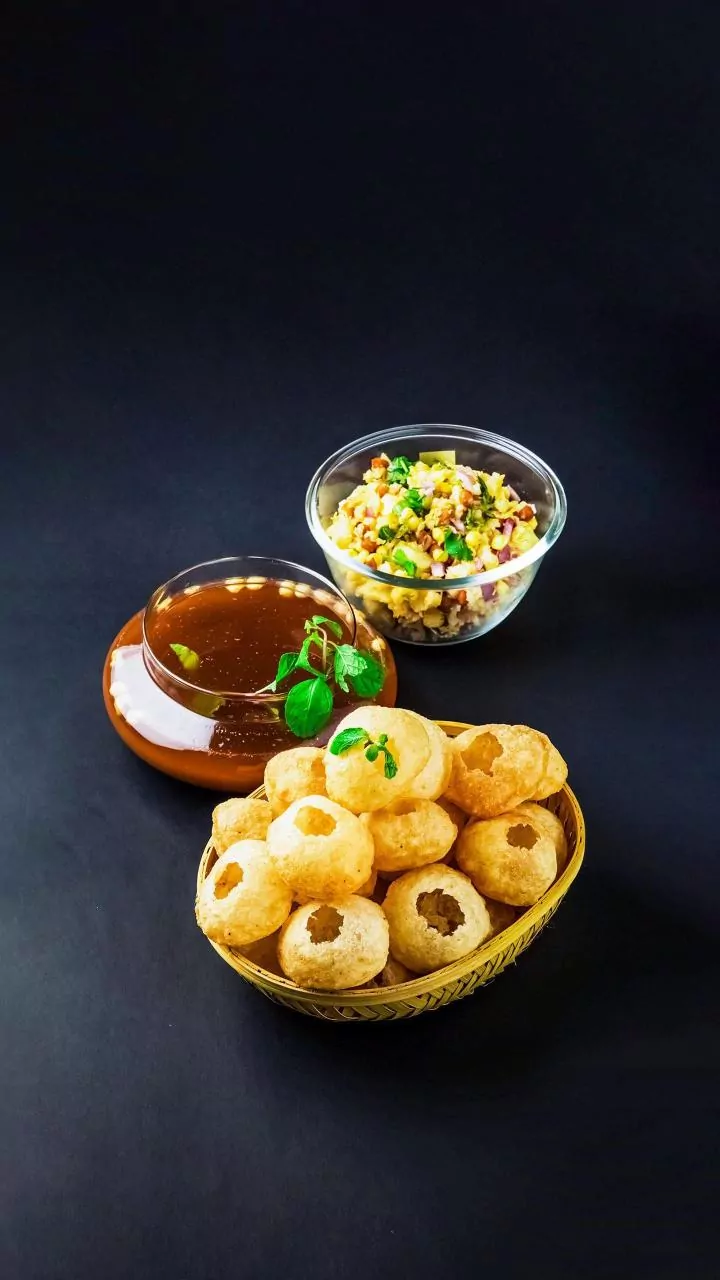
Some foods are best limited or avoided to prevent health issues. Street food, including chaat and fried snacks, poses a higher risk of contamination due to uncertain hygiene. While the temptation for hot pakoras is strong, it's best to enjoy them in moderation and ensure they are freshly prepared at home. Leafy green vegetables require extra caution; they must be washed meticulously, preferably in warm water, and cooked thoroughly, as they can carry a lot of dirt. It's also wise to be careful with seafood, as monsoon is the breeding season for many fish. Probiotic foods like fresh curd and buttermilk are beneficial, but Ayurveda suggests avoiding curd at night.