




The Nutritional Powerhouse
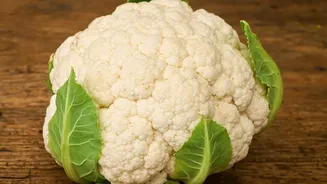
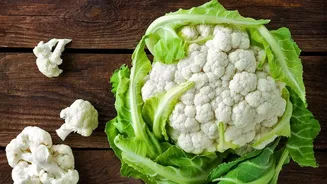
Before its rise to culinary fame, cauliflower was already a nutritional champion. As a member of the cruciferous vegetable family, which includes broccoli and kale, it is packed with vitamins and minerals. A single cup of raw cauliflower contains only
about 27 calories but delivers a significant portion of your daily vitamin C needs, which is crucial for immune support. It's also a good source of vitamin K, folate, and fibre. This high-fibre content aids in digestion and promotes a feeling of fullness, which can help with weight management. Furthermore, cauliflower contains antioxidants and compounds like sulforaphane, which have been studied for their potential to reduce inflammation and protect against certain diseases.
The Master of Disguise: Carb Swaps
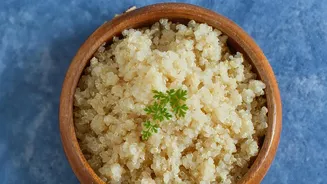
One of cauliflower's most celebrated talents is its ability to mimic high-carb foods. For those on low-carb, gluten-free, or simply vegetable-focused diets, it’s a game-changer. 'Cauliflower rice' is perhaps the most famous example. By pulsing florets in a food processor, you get a grain-like texture perfect for replacing white rice. A cup of cauliflower rice has a fraction of the calories and carbohydrates of traditional rice, with just 5 grams of carbs compared to white rice's 37 grams per cup. Similarly, steaming and mashing cauliflower creates a creamy, satisfying substitute for mashed potatoes, especially when blended with a little garlic and seasoning. It's also become the foundation for gluten-free pizza crusts, offering a lighter base for your favourite toppings.
From Side Dish to Centrepiece
Cauliflower has convincingly shed its reputation as a mere side dish. It now frequently takes centre stage on the dinner plate. A popular preparation is the 'cauliflower steak,' a thick, cross-section slice of the head that can be pan-seared or roasted. When seasoned generously with spices like smoked paprika, garlic powder, and onion powder, and roasted at a high temperature, it develops a beautifully caramelized exterior and a tender, meaty interior. Another impressive main course is a whole roasted cauliflower. Seasoned and baked until golden brown, it makes for a dramatic and shareable dish that’s perfect for gatherings. These preparations showcase how its mild flavour acts as a canvas, absorbing marinades and spices wonderfully.
The Secret to Creamy, Dairy-Free Sauces
Another of cauliflower's surprising abilities is its role in creating velvety sauces without the need for heavy cream or dairy. When steamed until soft and blended, cauliflower transforms into a smooth, neutral base. This puree can be used to create a healthier, plant-based version of Alfredo sauce, perfect for tossing with pasta. By blending cooked cauliflower with vegetable broth, sautéed garlic, and nutritional yeast, you can achieve a rich, savoury sauce that is both light and satisfying. This technique also works beautifully for creating creamy soups without adding dairy, lending body and a silky texture to everything from a classic vegetable soup to a rich bisque.
A Canvas for Global Flavours
Thanks to its mild taste, cauliflower is the perfect vehicle for a world of flavours. It readily absorbs spices, making it a staple in various international cuisines. In Indian cooking, dishes like Gobi Manchurian (crispy fried cauliflower in a tangy sauce) or Aloo Gobi (cauliflower and potatoes with spices) are classics. Its florets are perfect for roasting with Middle Eastern spice blends like za'atar or Moroccan ras el hanout. You can also toss it in Buffalo sauce to create a popular plant-based alternative to chicken wings, or use it in tacos and curries. This adaptability makes it an exciting ingredient for home cooks looking to explore global recipes while keeping meals plant-forward and nutritious.