








The Tech on Your Arm
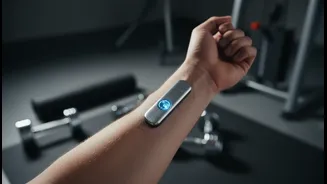
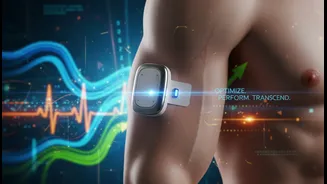
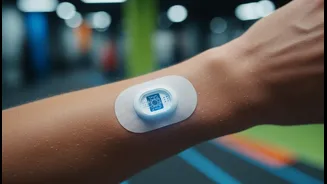
First, what exactly is this device? A continuous glucose monitor is a small, wearable sensor that tracks your glucose (sugar) levels in real time, 24/7. Traditionally, it’s a critical tool for people with diabetes to manage their insulin and blood sugar.
The device works by inserting a tiny, flexible filament just under the skin, which measures glucose in the interstitial fluid—the fluid surrounding your cells. This data is then wirelessly sent to a smartphone app, providing a continuous stream of information. Unlike a finger-prick test that gives a single snapshot, a CGM draws a detailed graph of how your glucose levels rise and fall throughout the day in response to meals, exercise, stress, and sleep.
Your Body's Fuel-Switching Superpower
This data is particularly useful for understanding a concept called metabolic flexibility. Think of your body as a hybrid car that can run on two types of fuel: carbohydrates (glucose) and fats. Metabolic flexibility is your body's ability to efficiently switch between these fuel sources depending on what’s available and what it needs. After you eat a meal rich in carbohydrates, a metabolically flexible body will use that glucose for immediate energy. During a period of fasting or low-intensity exercise, it should seamlessly switch to burning stored fat for fuel. This adaptability is a key sign of a healthy metabolism. Poor metabolic flexibility, or metabolic inflexibility, is linked to insulin resistance and an increased risk of conditions like type 2 diabetes.
Connecting Data to Diet and Lifestyle
So, how does a CGM map this flexibility? By visualising your glucose patterns, you can see how efficiently your body is managing its fuel. In a non-diabetic person, sharp, frequent spikes and subsequent crashes in glucose after meals can suggest that the body is struggling to process carbohydrates efficiently, a sign of reduced flexibility. Conversely, a gentle, stable curve indicates your system is handling glucose well. This real-time feedback allows users to become metabolic detectives. You might discover that a supposedly "healthy" smoothie causes a massive glucose spike, while adding protein and fat to your breakfast keeps your energy levels stable for hours. The data empowers users to see exactly how specific foods, meal combinations, exercise timing, and even stress levels affect their body on a chemical level.
Why It Resonates with Urban Youth
The trend has found a strong footing among urban youth for several reasons. This demographic is often at the intersection of high-stress work environments, sedentary routines, and easy access to processed foods, all of which can strain metabolic health. Studies show a rising prevalence of metabolic syndrome among young urban adults in India, driven by these lifestyle factors. At the same time, there's a growing cultural interest in bio-hacking and data-driven personal optimisation. For a generation accustomed to using technology to track sleep, steps, and heart rate, using a CGM is the logical next step—a way to look under the hood and take proactive control of their long-term health.
Insight, Not a Diagnosis
It’s important to note that for a healthy person without diabetes, a CGM is a wellness tool, not a diagnostic one. The goal isn't to achieve a perfectly flat glucose line, as fluctuations are normal and necessary. Instead, it's about understanding your personal responses and making more informed lifestyle choices. Experts caution against over-interpreting the data, which can lead to unnecessary anxiety. However, when used correctly, these devices can offer powerful insights, motivating changes in diet and activity that support better energy levels, weight management, and the prevention of chronic disease down the line.