

Why Humidity Can Be a Plant's Best Friend
Many of our favorite houseplants originate from tropical rainforests, where the air is consistently thick with moisture. In a steamy bathroom, these plants feel right at home. High humidity reduces the amount of water a plant loses through its leaves,
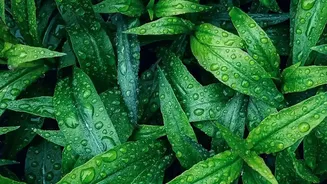
a process called transpiration. This means less stress on the plant, preventing issues like brown, crispy leaf tips. For plants like ferns and most palms, the humid environment of a bathroom mimics their natural habitat, allowing them to flourish in a way they might not in a dry living room. This moisture in the air can also discourage certain pests, like spider mites, that prefer drier conditions.
The Overriding Importance of Light
While humidity is a major plus, it cannot make up for a plant's most fundamental need: light. Photosynthesis, the process by which plants create food, is fueled by light. Most bathrooms, particularly those without large windows, are low-light environments. A plant that doesn't receive enough light will not be able to produce the energy it needs to grow, regardless of how perfect the humidity is. This is the single biggest factor that determines success or failure. Signs of insufficient light include yellowing leaves, slow or spindly growth, and a general failure to thrive. No amount of steam can save a plant that is essentially starving in the dark.
Plants That Flourish in the Bathroom
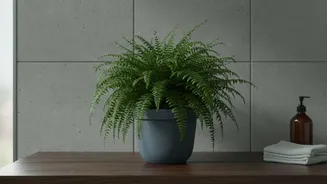
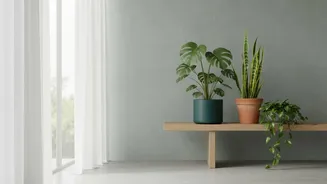
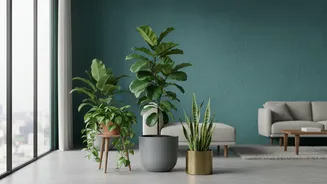
The key is to choose plants that tolerate both high humidity and low light. The Snake Plant (Sansevieria) is nearly indestructible and is an excellent choice, as it is flexible about both light and water. Ferns, especially the Boston Fern, are classic bathroom plants because they adore steam. Pothos, with its trailing vines, is another great option and can be hung from shower caddies or shelves. Peace Lilies are known to absorb moisture from the air and can help reduce mold spores, all while tolerating lower light levels. Similarly, some tropical species like the Spider Plant are easy for beginners and do well in the typical bathroom setting.
Plants You Should Keep Out of the Bathroom
Many popular plants simply cannot handle the combination of high humidity and low light. Most succulents, including cacti and popular Jade Plants, are prime examples. These plants are adapted to arid, desert climates and store water in their leaves. In a humid bathroom with poor air circulation, they are highly susceptible to root rot and fungal diseases. Constant dampness is their enemy. While some sources suggest certain succulents like Aloe Vera can adapt, it's a risky bet without excellent drainage and at least a bright, indirectly lit window. Many flowering plants will also struggle, as they typically require more light to produce blooms and are prone to powdery mildew in damp conditions.
Tips for Bathroom Gardening Success
To ensure your bathroom jungle thrives, follow a few simple rules. First, be realistic about your light. If you have a windowless bathroom, consider a dedicated grow light or rotate your plants into a brighter room for a few days each week. Second, ensure proper drainage. Even moisture-loving plants don't want to sit in stagnant water, which leads to root rot. Use pots with drainage holes. Third, promote air circulation. Run the exhaust fan after showers to help prevent fungal issues on leaves. Finally, regularly inspect your plants for common problems like yellowing leaves, which can indicate overwatering, or pests that might thrive in the damp conditions.