


The Real Problem With Your Chair
When you sit for extended periods, your body adapts to that position in ways that can cause problems. The muscles at the front of your hips, known as hip flexors, remain in a shortened state. Over time, this chronic shortening makes them tight and restricts
your range of motion. Meanwhile, the muscles on the opposite side, your glutes, become inactive and weak from lack of use — a phenomenon sometimes called 'gluteal amnesia'. This creates a muscular imbalance: tight muscles pulling from the front and weak muscles failing to provide support from the back. This imbalance puts extra strain on your hip joints and can even lead to lower back pain as your body tries to compensate.
Why Gentle and Consistent Beats Intense
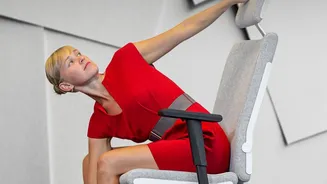
It might seem like a hard workout is the answer to an inactive day, but when it comes to combating stiffness from sitting, gentle and consistent movement is often more effective. The goal isn't to exhaust your muscles, but to gently reawaken them and improve circulation. Think of it as reminding your body of its full range of motion. Short, frequent bursts of light activity can counteract the negative effects of sitting more effectively than one intense gym session surrounded by hours of inactivity. These small movements help release muscle tension, improve blood flow, and lubricate the joints, preventing the stiffness from setting in. Integrating these movements throughout your day is a sustainable way to maintain muscle and joint health without requiring a major lifestyle overhaul.
A 5-Minute Routine to Reclaim Your Hips
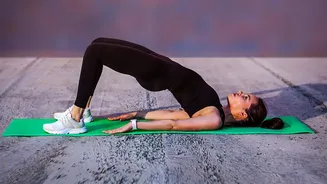
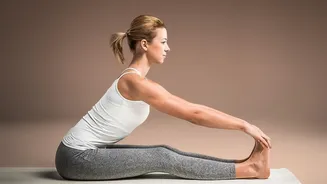
You don’t need special equipment or a lot of time. Just a few minutes each day can make a significant difference. Try incorporating these simple movements into your routine, perhaps during a break from your desk. 1. Kneeling Hip Flexor Stretch: Kneel on one knee, using a cushion for comfort if needed. Place your other foot flat on the floor in front of you, creating a 90-degree angle with your knee. Gently push your hips forward while keeping your back straight until you feel a stretch in the front of the hip of your kneeling leg. Hold for 20-30 seconds and switch sides. 2. Glute Bridge: Lie on your back with your knees bent, feet flat on the floor hip-width apart, and your arms by your sides. Squeeze your glutes and lift your hips off the floor until your body forms a straight line from your shoulders to your knees. Hold for a few seconds at the top, then slowly lower back down. Repeat 10-15 times to activate those 'sleeping' glutes. 3. Standing Hip Circles: Stand with your feet shoulder-width apart and your hands on your hips. Slowly rotate your hips in a large circle, as if you’re using a hula hoop. Perform 10 circles in one direction, then switch and do 10 in the other. This helps to lubricate the hip joint. 4. 90/90 Stretch: Sit on the floor. Position your front leg bent at a 90-degree angle in front of you, with your shin parallel to your body. Position your back leg bent at a 90-degree angle to the side. Keeping your back straight, gently lean forward over your front leg to feel a stretch. Hold for 30 seconds, then switch sides.
Making Movement a Lasting Habit
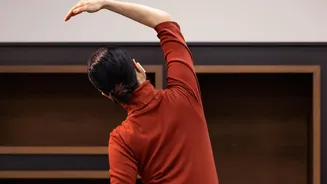
The key to long-term relief is consistency. The most effective routine is the one you actually do. Try linking these movements to an existing habit, like after you brew your morning tea or before you sit down for lunch. Set a timer to remind yourself to get up and move for a few minutes every hour. You can pace around while on a phone call or simply stand up and stretch. Even these small actions add up, breaking the cycle of prolonged sitting and helping to prevent the associated stiffness and pain. It’s about building a habit of mindful movement throughout your day, not just scheduling a workout. Listen to your body; the goal is to feel more mobile and less restricted, one gentle stretch at a time.