





Not Your Teenager's Toner
First, let's clear up a common misconception. If the word 'toner' brings to mind harsh, alcohol-based liquids from your teenage years that left your skin feeling stripped and tight, it's time for a reintroduction. Those were typically astringents, designed
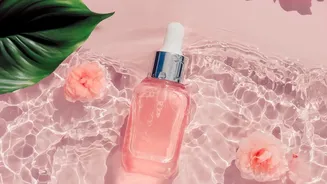
to remove excess oil and tighten pores, often aggressively. Modern hydrating toners are a completely different category. These are gentle, water-based formulas designed to do the opposite: add a layer of soothing hydration back into the skin immediately after cleansing. Think of it less as a final cleansing step and more as the first step in moisturising.
The 'Damp Skin' Advantage
The primary role of a hydrating toner is to prep your skin for what comes next. Skincare products, particularly serums and moisturisers, penetrate the skin more effectively when it is slightly damp. According to some experts, damp skin can be up to ten times more permeable than completely dry skin. Applying a toner creates the ideal moist canvas. This allows the active ingredients in your expensive serums—like vitamin C or niacinamide—to absorb more deeply and work more efficiently. By acting as a delivery system, the toner ensures you get the maximum benefit from your entire routine.
Your First Line of Defence Against Dry Air
Drier weather is a double threat to your skin. Cold outdoor air holds less moisture, and indoor heating systems actively lower the humidity inside, creating an environment that pulls water directly from your skin. This process, known as transepidermal water loss (TEWL), weakens your skin's natural protective barrier. A compromised barrier leads to dehydration, sensitivity, flakiness, and a dull appearance. A hydrating toner provides an immediate infusion of moisture after you wash your face, replenishing what was lost and creating a buffer against the dry air. It helps your skin hold onto its own water, keeping it balanced and resilient.
Key Ingredients to Look For
When shopping for a hydrating toner, the ingredient list is your best friend. Look for humectants, which are ingredients that attract and bind water to the skin. Top performers include Hyaluronic Acid, a powerhouse that can hold many times its weight in water, leaving skin plump and dewy. Glycerin is another effective and common humectant that helps lock in moisture. For added benefits, look for ingredients that support the skin barrier, such as ceramides, or soothing agents like aloe vera, panthenol (a form of vitamin B5), and various botanical extracts. Avoid formulas with high concentrations of denatured alcohol, which can be drying and irritating, especially for dry or sensitive skin.
How to Use It for Maximum Impact
Incorporating a hydrating toner is simple. The golden rule is to apply it immediately after cleansing, while your skin is still slightly damp from rinsing. You can dispense it onto a cotton pad and swipe it across your face, but for maximum hydration, many experts recommend pouring a few drops into your clean palms and gently pressing it directly into your skin. This method minimizes product waste and ensures an even application. Do not wait for it to dry completely. While your skin is still dewy from the toner, immediately follow up with your serum and moisturiser. This seals in the hydration from the toner and boosts the absorption of the products layered on top.