







Understanding the Planting Window
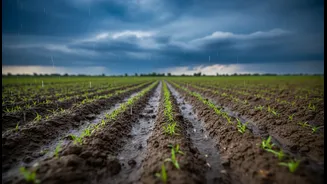
The 'rain-fed planting window' is the critical period at the start of the Kharif season, typically from June, when the soil has absorbed enough moisture from the initial monsoon showers for seeds to be sown. For a vast majority of farmers in Karnataka
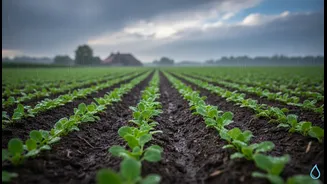
who do not have access to irrigation, this window is everything. It dictates when they can plant essential crops like ragi, pulses, and maize. A timely and well-moistened start is the first step towards a successful harvest, setting the rhythm for the entire agricultural cycle.
The Annual Monsoon Hype Cycle
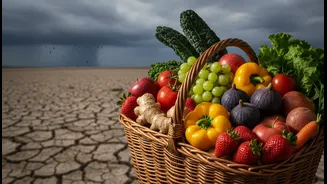
Every year, weather forecasts predicting a 'good' or 'normal' monsoon create a wave of positive news. In urban centres like Bengaluru, this is often interpreted as a straightforward guarantee of bountiful crops and stable food prices. The narrative is simple: rain has arrived, so farmers will plant, and everyone will benefit. However, this simplification overlooks the fact that the initial forecast is just one piece of a much larger, more unpredictable puzzle. As of early July 2026, Kharif sowing in Karnataka was lagging significantly, covering only 43% of the target area due to a patchy and delayed monsoon, demonstrating the gap between prediction and reality.
Reality Check: It's About Distribution, Not Just Downpours
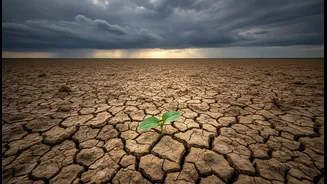
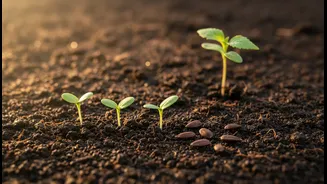
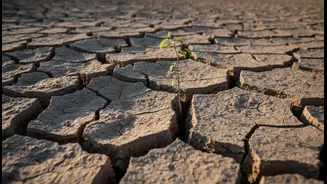
The most crucial factor that the hype misses is the nature of the rainfall. It is not the total volume of rain that matters most, but its distribution and consistency. Farmers need steady, well-spaced showers, especially after sowing, to ensure seeds germinate and seedlings establish themselves. Climate change has made monsoons more erratic, often bringing long dry spells punctuated by intense, destructive downpours. A week of heavy rain followed by three weeks of no rain can be disastrous, causing seeds to fail and saplings to wilt. As of mid-2026, meteorologists are warning of a potential dry spell in the crucial month of July, which could threaten crops even in areas that have already been sown.
The Soil and Seed Predicament
Beyond the weather, the health of the soil and the choice of seeds play a vital role. Degraded soil with poor water retention cannot make the most of the rain it receives. Furthermore, farmers must make a high-stakes decision on what seeds to plant based on their expectations of the monsoon. If they bet on a long, healthy monsoon and plant long-duration, high-yield crops, a subsequent dry spell can lead to total loss. In response to 2026's uncertain forecast, agricultural experts and government bodies are advising farmers to opt for short-duration or less water-intensive crops like maize and pearl millet to mitigate potential losses.
The Overlooked Economic Risks
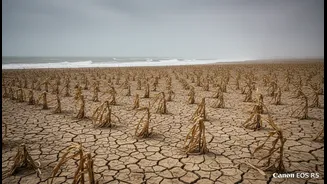
For small and marginal farmers, who constitute about 80% of cultivators in Karnataka, the planting window is a period of immense financial risk. The costs of seeds, fertilisers, and labour are all front-loaded. A failed crop due to an erratic monsoon is not just a lost harvest; it represents a significant financial loss that can push families into a cycle of debt. This economic vulnerability is a critical piece of context often missing from the celebratory news of the monsoon's arrival. The distress is already visible in regions like Kalyana Karnataka, where farmers who sowed red gram and cotton are watching their saplings wilt due to moisture stress, their initial investment turning to dust.