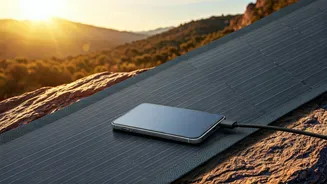









What Exactly Is a Solar Tarp?
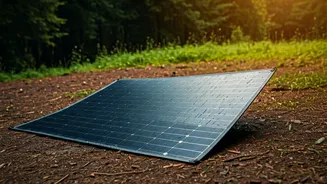
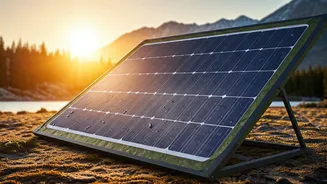
Forget the rigid, heavy glass solar panels you see on rooftops. A solar tarp—also known as a solar blanket or flexible solar panel—is a portable, fabric-like sheet embedded with thin, efficient photovoltaic cells. Think of it as a high-tech picnic blanket that
drinks sunlight and turns it into electricity. Made from durable, often weather-resistant materials, these tarps can be folded down to the size of a book or laptop, making them incredibly easy to carry in a backpack or store in a car's glove compartment. Their primary advantage is their power-to-weight ratio. They generate a significant amount of power for their size and weight, a feat that traditional panels can't match.
The 'Smart' in Smart Solar
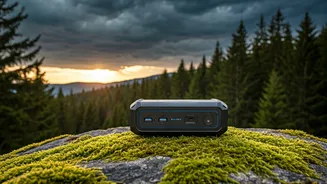
What makes these tarps 'smart' isn't just their ability to generate power, but their design intelligence. Many modern solar tarps come with built-in junction boxes that feature multiple output ports, like USB-A and USB-C. This allows you to directly charge your smartphone, tablet, headphones, or even a power bank without needing any extra adapters. Some advanced models include smart charging technology that automatically detects the connected device and delivers the fastest, safest possible charging speed. This prevents overcharging and optimises power flow, especially useful on days with intermittent sunlight. The real intelligence lies in its sheer practicality: it’s a self-contained, plug-and-play power station for the modern nomad.
The Charging 'Hack' Explained
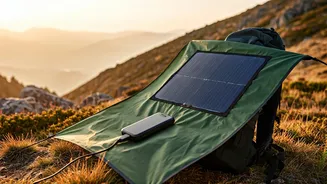
The 'hack' isn’t a complicated trick; it’s the sheer versatility of the tarp's form factor. Unlike a rigid panel that needs a flat, stable surface, a solar tarp can be deployed almost anywhere. This is where you get creative. * **On the Move:** Use carabiners to clip it to the back of your backpack while trekking. It will charge your power bank as you walk, ensuring you have a full battery when you set up camp. * **At the Campsite:** Drape it over your tent, a tree branch, or the windshield of your car. The large surface area can capture sunlight from multiple angles throughout the day. * **During Power Cuts:** If you live in an apartment, you can simply hang it over your balcony railing or window to catch the sun. It’s an instant, silent, and fume-free power source for keeping your essential communication devices alive during an outage. This adaptability is the core of the 'hack'—turning any sunlit surface into a potential charging station.
Real-World Uses for an Indian Context
The utility of a solar tarp is especially relevant in India. For adventure enthusiasts trekking in the Himalayas or exploring the Western Ghats, it’s a lightweight lifeline to keep GPS devices and phones charged in remote areas. During the monsoon season, when power cuts can be frequent and prolonged in both urban and rural areas, a solar tarp offers peace of mind. It’s a reliable backup for charging phones to stay connected with family or for students to power a tablet for online classes. Even small-scale vendors or workers in off-grid locations can use it to power a small fan, a light, or keep their phones operational throughout the day.
What to Look For Before Buying
If you're considering getting one, here are a few key things to look for: 1. **Wattage:** This determines charging speed. A 20-30 watt panel is great for smartphones and power banks. For larger devices like laptops (via a power station), you’ll want 60-100 watts or more. 2. **Portability:** Check the folded size and weight. The goal is to have something you’ll actually carry. 3. **Connectors:** Ensure it has the ports you need, primarily USB-C and USB-A. 4. **Durability:** Look for weather-resistant ratings (like IP65 or higher) and sturdy materials that can handle being folded and unfolded repeatedly. High-efficiency cells (like those from brands such as SunPower) are also a sign of quality, as they perform better in low-light conditions.