





The Fading Ink and Fading Memories
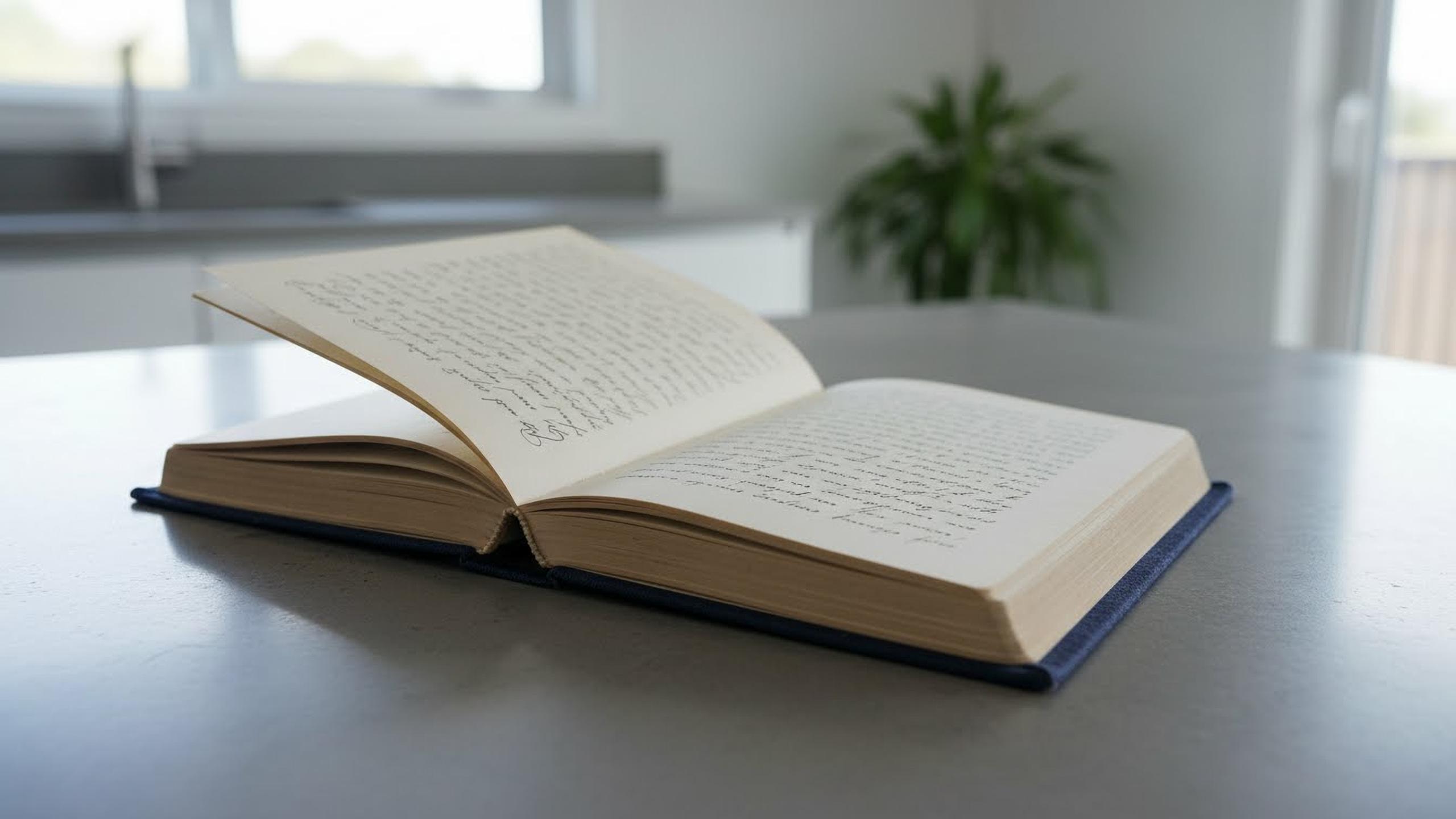
Every family has them: recipe cards stained with vanilla, notes scribbled on the back of an envelope, or a treasured cookbook filled with spidery cursive. These documents are more than just instructions for making a meal; they are tangible connections
to family history and heritage. But paper fades, ink blurs, and handwriting from a different era can be as difficult to decipher as a foreign language. The fear of losing these precious culinary heirlooms is a universal one. For years, the only solution was to painstakingly retype each recipe, a time-consuming process that often loses the charm and context of the original. This challenge is what makes preserving these recipes both a labour of love and a race against time.
What Is Zero-Shot AI, and How Does It Read Handwriting?
Enter the unlikely hero: artificial intelligence. Specifically, a powerful capability known as 'zero-shot learning'. In simple terms, this allows an AI model to recognize and understand things it has never been explicitly trained on. Think of it like this: you can show a traditional AI thousands of photos of a specific cat to teach it what that cat looks like. A zero-shot model, however, can be told the attributes of a cat—'furry', 'has whiskers', 'four legs'—and then identify a cat in a photo without ever having seen one before. When applied to handwriting, this technology, often called Handwritten Text Recognition (HTR), doesn't need to be trained on your grandmother's specific cursive. It has learned the general 'idea' of human handwriting and can make intelligent guesses to transcribe unique, messy, or faded styles it's seeing for the first time.
From Scrawled Card to Searchable Text
The process feels like magic. A food blogger or family historian simply takes a photo of a handwritten recipe. Using an app or a web service, the AI gets to work. It’s not just performing basic Optical Character Recognition (OCR), which works best on clean, typed text. This advanced AI can distinguish between a shopping list in the margin and the core ingredients, understand cursive where letters flow together, and even interpret context-specific shorthand like 'tsp' for teaspoon or 'a knob of butter'. Within seconds, what was once a locked piece of family history becomes clean, editable, and searchable digital text. This transformation is a game-changer, saving countless hours of manual transcription.
A Digital Lifeline for Culinary Heritage
For food bloggers, this technology is a professional boon. It allows them to quickly digitize and share unique, authentic family recipes that resonate deeply with their audiences. It adds a layer of story and history to their content that can't be replicated. But the impact goes far beyond blogging. By making these recipes accessible, AI is helping to preserve cultural traditions that might otherwise be lost. Families can now create digital cookbooks, share recipes with relatives across the globe, and ensure that the tastes and smells of their heritage are passed down to future generations who may never have had the chance to cook alongside their ancestors. It's about turning a static image into a living document that can be used, adapted, and cherished.
Putting AI to Work in Your Kitchen
This technology is no longer confined to high-tech labs. A growing number of accessible tools are bringing handwriting recognition to everyone. Apps like OrganizEat and Evernote have integrated AI transcription features specifically for recipes. Platforms like Pen to Print are designed to handle messy handwriting and complex layouts. For more ambitious projects, like digitizing historical archives, services like Transkribus allow users to work with even the most challenging ancient scripts. Even the AI in everyday tools like Notion or Google Cloud Vision can be leveraged for this purpose. This accessibility empowers anyone with a smartphone to become a preserver of their own family's culinary legacy.